Ternus Is in Charge at Apple — The Foldable iPhone Signals a New Era
John Ternus inherited Apple at a pivot point. The foldable iPhone isn't just a new product category — it's a signal that the company is leaving Tim Cook's era of incremental updates behind.
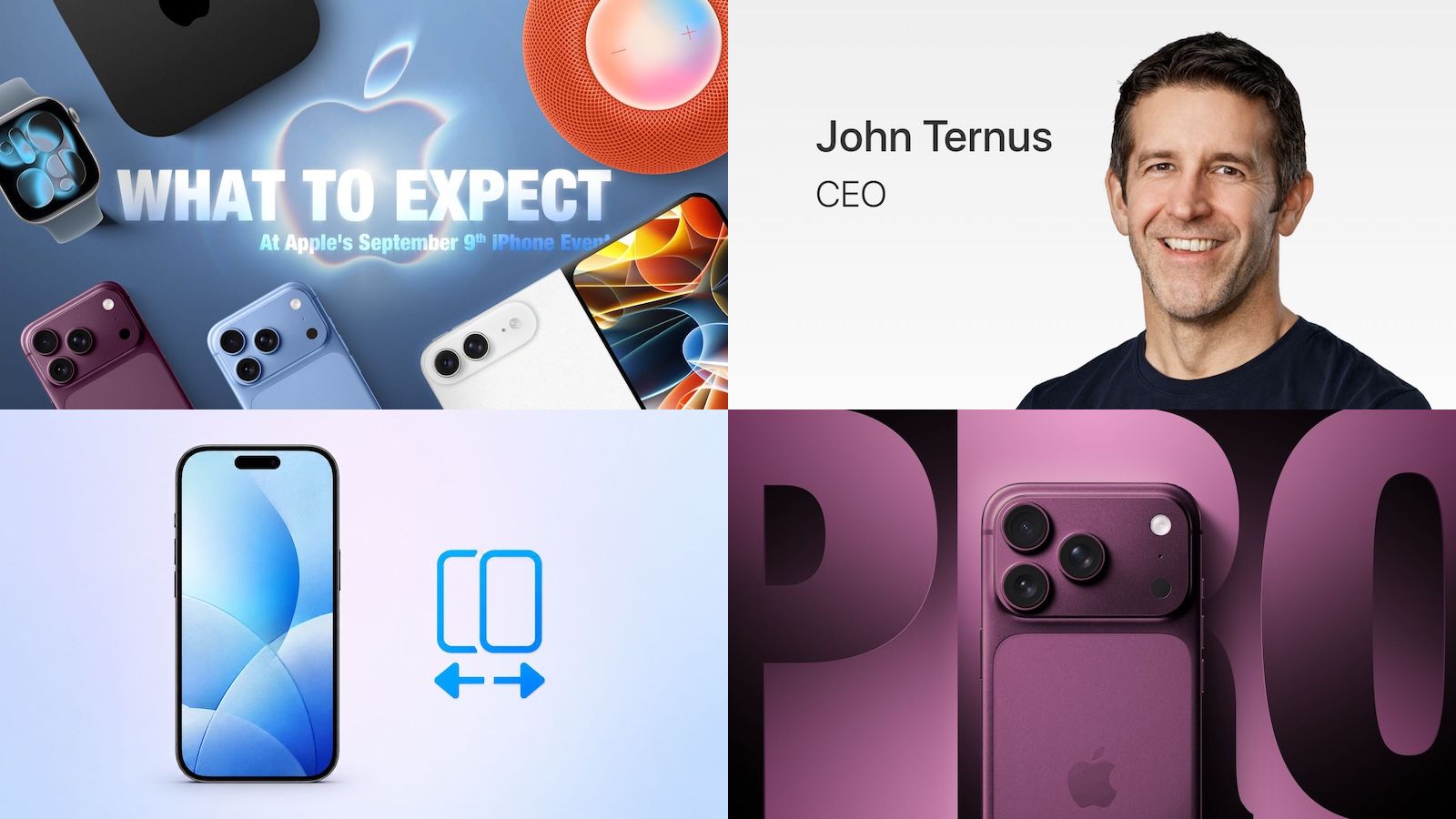
The Man Who Stays After the Party Ends
John Ternus didn’t campaign for the Apple CEO job. He wasn’t the external hire analysts had speculated about for years. He was the guy in the basement — head of hardware engineering since 2019, the one who made the MacBook Pro, the M-series chips, and every iPad you’ve touched since 2021. When Tim Cook stepped down this week after fifteen years, it was Ternus who walked in and took the office next door. Not because he was the politician. Because he was the engineer who had been building the next thing while everyone else was counting revenue.
In his first memo to employees, Ternus thanked Cook for the transition and called next Wednesday’s September 9 event a “huge launch.” That phrase matters. Cook-era keynotes were always precise: a lineup, a price, a November ship date. Ternus is already speaking like someone who expects the ground to shift under Apple’s feet.
The Last Universal Apple Keynote?
The September 9 event — branded “Surprise and Shine,” a name that itself signals a break from the predictable rhythm of September iPhone announcements — will introduce Apple’s first foldable iPhone, variously called the iPhone Ultra in leaks. It will also bring the iPhone 18 Pro, new Apple Watches, and AirPods. This is the most crowded Apple event in at least a decade, and it’s the last one where the major items won’t be shrouded in mystery.
Consider the trajectory: since 2014, every September keynote followed the same script. New iPhones, a minor refresh, a new color, a slightly faster chip. The surprises came at WWDC in June or at random midyear events. That pattern is now breaking. A foldable phone isn’t a refinement — it’s an architectural decision that requires Apple to rethink everything from the hinge to the operating system to the supply chain. The fact that it’s happening at the same event as the regular iPhone 18 Pro suggests Apple is admitting it can no longer pace its innovation across two seasons.
The pre-order shift confirms this. Pre-orders typically start Friday morning at 5 a.m. Pacific. This year, they’ll begin at midnight Saturday — partly because September 12 falls on the twenty-fifth anniversary of the 9/11 attacks, a date Apple has historically treated with deference. But also because the company is already moving at a different cadence. The old schedule was designed around predictability. Ternus is running something closer to urgency.
Mac Shortages and the AI Problem Cook Left Behind
While the iPhone gets the spotlight, Apple’s desktop business is telling a quieter story. Apple announced new Mac mini and Mac Studio models last week — well ahead of the traditional fall cycle — because demand from enterprise buyers running AI workloads outpaced supply. The Information reports that Apple was caught off guard. That’s significant. Apple’s hardware planning is usually a year ahead. Being surprised by enterprise AI demand suggests the company underestimated how quickly its own silicon would become relevant outside consumer use cases.
A global memory shortage has compounded the problem. Mac mini configurations are out of stock for months. MacBook Airs are seeing similar constraints. Apple held a “Business at the Park” event in June with Ford, Disney, and Anthropic precisely to signal it was serious about the enterprise. The Mac mini was described internally as the “darling” of that event. Now it’s the bottleneck.
This is the era Cook built — a company optimized for scale, margins, and supply chain precision. Ternus inherits a moment where precision isn’t enough. The question isn’t whether Apple can make another iPhone. It’s whether it can scale fast enough to meet demand that arrived before the company fully understood it.
iOS 27 and the Ecosystem Tightens
Apple’s software story this cycle is quieter but strategically sharper. iOS 27 introduces iPhone Handoff, a feature that lets two iPhones share a single phone number via eSIM. The primary eSIM stays on the main device; a companion eSIM is provisioned to the second phone. When you unlock one device, calls and texts follow automatically. Carrier support is required — this isn’t a software-only trick.
On the surface, this is a convenience feature. In context, it’s Apple making its ecosystem sticky without asking you to abandon your number. Android users switching to iPhone have always faced the friction of porting phone numbers across carriers and devices. iPhone Handoff removes part of that friction — and it positions the foldable iPhone not as a standalone device but as a companion to your primary phone. The hardware and the software are being designed together now, which is exactly what Cook’s organization rarely did.
What Ternus Actually Inherits
Ternus comes from hardware engineering. He spent his career inside the machine — literally. He supervised the redesign of the MacBook Pro trackpad, led the integration of Apple Silicon into Macs, and oversaw the tablet and wearable divisions. He knows the parts list. He knows which suppliers to pressure and which partnerships to nurture. That’s the advantage he brings to the CEO role that Tim Cook, the operations genius, never had to exercise directly.
But the challenges are equally concrete. The foldable iPhone requires a new hinge supplier, a new display stack, and a new repair strategy. Apple has never made a product that folds. The first attempt will have bugs — probably visible ones. Ternus has to decide whether to ship it anyway and risk reputation, or delay and risk irrelevance. The Mac mini shortages demand decisions about memory procurement that Cook would have handled through long-term contracts. The iOS Handoff feature requires carrier negotiations that span continents.
Cook’s Apple was a company that refined existing categories until they were nearly perfect. Ternus’ Apple is entering categories — foldables, enterprise AI, dual-device ecosystems — where there are no perfect templates. The September event will show the public face of that transition. But the real story is what happens in the quarters after: whether the new CEO can move as decisively as the old one managed, whether the hardware team can deliver on promises that are fundamentally different from the ones it kept for fifteen years.
The foldable iPhone isn’t just a product. It’s Apple’s admission that the slab era is ending. And Ternus is the one who has to build what comes next.