Trump's $5B Threat Against Think Tank Tests Free Speech Limits
A threatened defamation lawsuit over a National Guard policy report signals a new weapon in political intimidation. The move challenges First Amendment norms and could chill critical analysis of federal programs.
A $5 Billion Lesson in Legal Intimidation
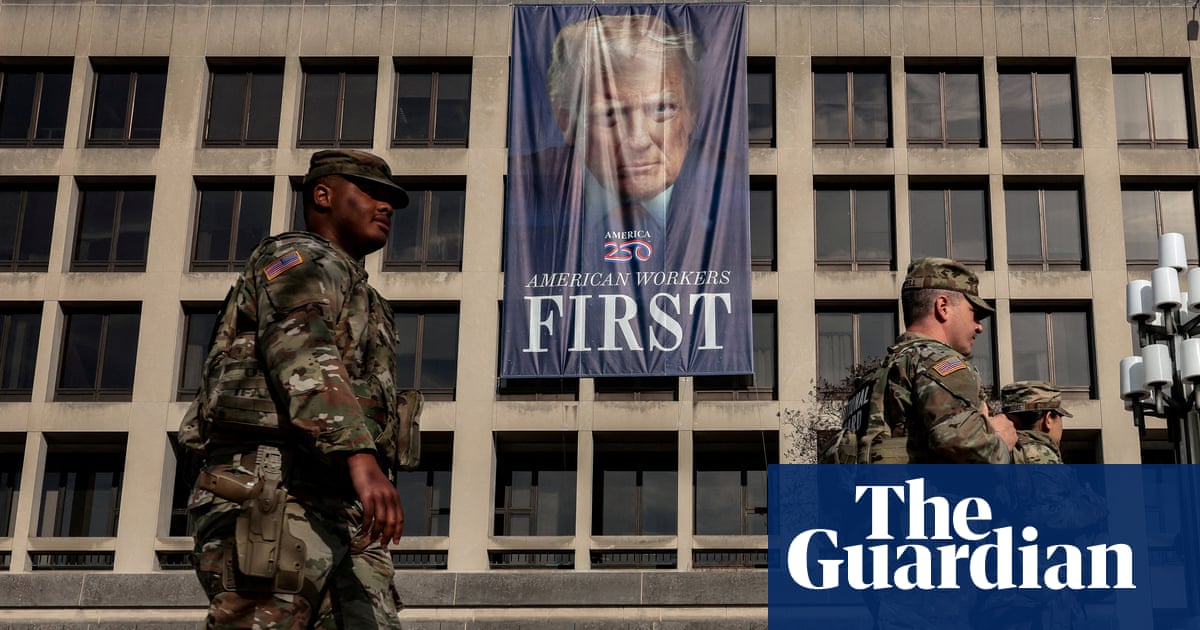
Donald Trump is not suing the federal government for criticizing his National Guard deployments. He is suing in his personal capacity, which means this is about reputation, not policy review. The target is the Center for American Progress, a liberal think tank that published a July 13 report finding the deployments failed to reduce crime despite costing $1.7 billion.
The threat letter from Trump’s lawyer, Alejandro Brito, demands a retraction or face a $5 billion defamation lawsuit. The number is obscene for a defamation case. It is also intentional. No jury will award five billion dollars over a policy report. This is about making the cost of defense too high to bear.
What the Report Actually Said
The CAP report examined National Guard deployments in Washington DC, Memphis, and Los Angeles. The conclusion was straightforward: violent crime was already falling before Trump took office in 2025, and cities without deployments saw similar drops. The report did not call Trump a liar. It did not attack his character. It analyzed crime statistics and found no causal link between the deployments and crime reduction.
Brito’s letter claims these findings imply Trump “knowingly deceived the American people, manipulated crime statistics for political advantage, exploited public fear, abused military and executive authority for an ulterior purpose, staged a sham law enforcement operation, and then lied about its success.”
That is a stretch. The report analyzed federal programs, not presidential honesty. But the legal theory being tested is simple: if your criticism of government action implies the leader made false claims, you can sue the leader personally for defamation.
The Personal Capacity Loophole
Suing in his personal capacity rather than as president matters. It keeps the lawsuit outside official channels and avoids separation of powers questions. It also makes Trump both plaintiff and defendant in a sense—he is using private law to punish public criticism. This is a different playbook from trying to control the narrative through executive orders or regulatory pressure. This is litigation as political weapon.
The American Bar Association has warned about SLAPP suits—strategic lawsuits against public participation—used to silence critics through legal costs. A $5 billion claim is the ultimate SLAPP. Even if the case eventually fails, the legal fees alone could bankrupt a mid-sized think tank. CAP may have resources, but smaller organizations do not.
Who Wins, Who Loses
If Trump wins, or even if he survives summary judgment, the precedent is clear: criticizing federal programs can expose you to personal defamation suits from the president. That chills policy research across the spectrum. Conservative think tanks will hesitate. Liberal ones will self-censor. Independent journalists analyzing military deployments will face the same risk.
If CAP loses, the damage extends beyond the center. Policy analysis becomes legally vulnerable. Government accountability reports could be reframed as personal attacks on leaders. The boundary between criticizing policy and defaming the policymaker dissolves.
If CAP wins—and it likely will on the merits—the cost is still high. Legal battles over free speech take years and millions in defense fees. The message sent is what matters: the president can threaten ruinous lawsuits over factual criticism.
The First Amendment Angle
Neera Tanden, CAP’s president, called the threat an attack on facts and evidence. She cited the First Amendment explicitly. That is not just rhetoric. Defamation law requires false statements of fact, not opinions or policy analysis. The CAP report presented data and statistical comparisons. It did not allege Trump knew he was lying. It concluded the deployments had no measurable effect.
Courts have long protected policy criticism under the First Amendment. The 1964 case New York Times v. Sullivan established that public officials cannot sue for defamation over criticism of their official conduct unless they prove actual malice. This case tests whether that protection extends to policy research organizations—and whether personal capacity lawsuits bypass Sullivan’s safeguards.
What Happens Next
CAP has refused to retract. They called the defamation claim “absurd” and noted their statements concerned government actions, not Trump personally. The next step is litigation. Trump’s team will file suit, likely in a jurisdiction friendly to high-profile defamation cases. CAP will move to dismiss, arguing the report is protected opinion and policy analysis.
The timeline matters. If the case drags into 2027, it becomes a campaign issue. If it resolves quickly, the legal precedent sets the tone for future research. Either way, the threat itself has already achieved something: it forces CAP and similar organizations to weigh legal risk before publishing critical findings.
The Broader Implication
This is not about one report. It is about who gets to define reality when government programs fail. If leaders can personally sue over unfavorable analysis, the accountability ecosystem fractures. Think tanks become legal liabilities. Journalists avoid military policy beats. Researchers soften their conclusions.
The $5 billion figure is theatrical. The strategy is not. Trump has used litigation against critics before. This is the next iteration: weaponizing defamation law to punish factual criticism of policy. The target is not just CAP. It is anyone who publishes data that contradicts the administration’s narrative.
The First Amendment survives when criticism is costly but not crippling. A $5 billion threat changes the calculus. It makes the price of truth too high. That is the real lesson here—not the legal merits, but the signal it sends about what happens when you tell politicians their policies failed.