Trump Orders DOJ Probe Into Democratic Extortion Claims
After losing Congress, Trump pivots to offense—ordering a Justice Department investigation into Democratic impeachment threats. What this means for America's institutions and its allies.
Trump’s New Playbook: Prosecuting the Prosecutors
The usual script is inverted.
Donald Trump didn’t wait for prosecutors. He summoned them.
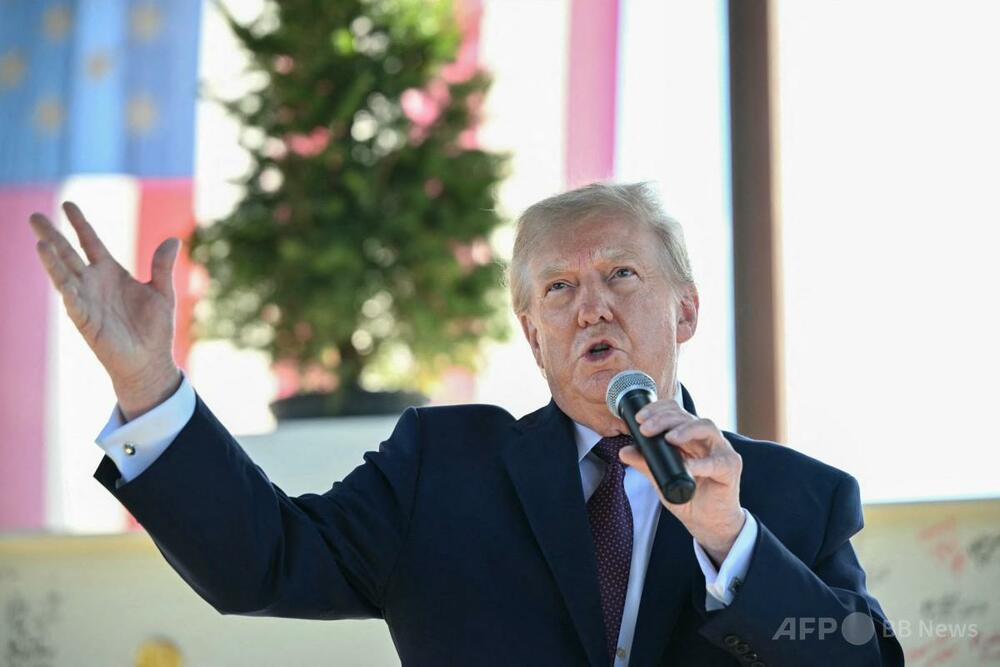
On November 7, after Democrats reclaimed both chambers in the midterm elections three days earlier, the president publicly ordered the Justice Department to investigate his political opponents — accusing them of extorting him through whispered threats of impeachment. It is a bold move: asking the executive branch to turn its legal machinery against legislators who hold the very power that could remove him.
The White House framed it as self-defense. Critics saw something else entirely.
“This is extremely malicious extortion,” Trump wrote on Truth Social. “There is nothing here that warrants impeachment. They deserve to be prosecuted.”
He added that those conducting the investigation — meaning his own party’s rivals — should be the ones behind bars.
What made the announcement particularly striking was its timing. The president issued it during a brief respite between campaign events, addressing reporters in the Rose Garden with a mix of grievance and defiance. Sources close to the Justice Department say Attorney General Todd Branch reviewed the request and immediately convened senior career officials to assess whether the allegation of extortion had any basis in federal law. No formal referral has been made public yet, but internal discussions reportedly covered the narrow question of whether coordinated impeachment threats — however aggressive — constitute a criminal conspiracy under existing statutes.
Legal scholars are sharply divided. Some argue that even thinly veiled threats from elected officials could meet the threshold for obstruction or coercion if documented coordination exists. Others maintain that congressional oversight, including impeachment inquiries, is constitutionally protected speech and legislative conduct, regardless of tone or intent.
The ambiguity itself is the point. By opening the door to prosecution, Trump forces his critics to navigate a legal fog where every statement, every private conversation, and every public post becomes potentially incriminating.
The Timing Is Everything
Midterms handed Democrats control of the House and Senate. That changed everything overnight.
Robert Garcia, the incoming chairman of the House Oversight Committee, wasted no time. On election night, he posted a single sentence on X: “Get a lawyer.”
It wasn’t a warning from the opposition. It was a countdown.
Democrats have already announced their intention to investigate senior administration figures — Attorney General Todd Branch and Defense Secretary Pete Hegseth included — alongside Trump himself. The scope is broad and potentially brutal: the Trump family’s business dealings, cryptocurrency transactions, government contracts involving Elon Musk, the scale of federal workforce reductions, immigration enforcement tactics, and the conduct of the war with Iran.
There is also the Epstein file. Democrats signaled interest in documents tied to Jeffrey Epstein, the convicted sex offender whose name continues to surface in American political scandals. Several members of the incoming Democratic leadership have privately expressed concern that the administration may block access to records held by the State Department or the National Archives, raising the prospect of immediate litigation over document preservation orders.
And now, Trump is fighting back with the one weapon only the presidency can wield: the law itself.
The second-order effects are already visible. Staffers on both sides of the Capitol report an anxious atmosphere. Congressional employees who typically avoid political commentary are now fielding calls from constituents demanding action. Career civil servants in agencies slated for scrutiny — particularly at Commerce, Homeland Security, and State — have received informal guidance from union representatives about their rights during potential interviews or depositions.
Meanwhile, Republican lawmakers who initially praised the attorney general’s independence are now facing pressure from their base to support the president’s investigation, creating an uncomfortable tension within a coalition that prides itself on rule-of-law orthodoxy.
Who Wins, Who Loses
In the short term, Trump gains. He shifts the narrative from “investigate the president” to “prosecute the investigators.” Whether or not the Justice Department moves — and there are serious questions about whether Branch will cooperate, or even recuse himself — the optics matter. He forces every Democrat into a defensive position: deny you’re extorting him, or admit you are.
But the cost is high. Institutional norms don’t survive first impressions. When a president orders a probe into members of Congress for merely threatening to impeach him, he isn’t just defending himself. He’s rewriting the rules of engagement between coequal branches.
Democrats lose credibility if they appear cowed. They lose leverage if they pursue impeachment without sufficient evidence — especially since removal requires a two-thirds majority in the Senate, a number Trump’s party controls comfortably. An impeachment trial that fails spectacularly would embolden future presidents to treat Congress as an enemy combatant rather than a check.
The American public loses trust. Each side interprets the other’s actions as illegitimate. Law becomes weaponized. Institutions become battlegrounds.
Financial markets have already reacted. Volatility indices climbed following the announcement, and several defense contractors saw stock fluctuations tied to speculation about contract reviews. bond yields edged higher as investors priced in governance risk. None of these movements are dramatic on their own, but together they signal a quiet recalibration of how globally integrated markets view American political stability.
What Tokyo Should Be Watching
Japanese policymakers and business leaders tend to read American political turbulence with quiet urgency. A president willing to deploy the Justice Department against legislative opponents isn’t just destabilizing domestic governance — he’s reshaping America’s reliability as a partner abroad.
Contracts with Elon Musk’s companies depend on stability. Trade frameworks depend on predictability. Military coordination depends on clear chains of command, not contested ones.
For Japan specifically, the implications cut deep. The U.S.-Japan security alliance rests on assumptions about institutional continuity that are now being tested in real time. Tokyo has invested decades building relationships with specific officeholders — committee chairs, agency heads, legislative assistants — all of whom could be removed, investigated, or sidelined as the Washington fight escalates. When oversight investigations threaten to implicate sitting cabinet members, diplomatic channels that normally operate with discreet consistency face the risk of becoming partisan battlegrounds themselves.
Japanese business groups, particularly keiretsu partners with significant operations in the United States, are monitoring the situation closely. Uncertainty around federal contracts — many of which flow through companies with ties to the current administration’s inner circle — could affect investment decisions that span quarters or years.
When the oversight committee chairs post “get a lawyer” on election night, and the president responds by ordering criminal referrals against legislators, everyone outside Washington asks the same question: Can these institutions absorb this kind of stress?
The answer, so far, is yes — barely.
Courts will mediate subpoena disputes. The Senate will block any impeachment conviction. Bureaucracies will continue functioning regardless of political noise. None of this guarantees resilience. It simply means the system hasn’t broken yet.
What Happens Next
Expect litigation. Expect delays. Expect the Justice Department to either comply partially or push back quietly on politicized investigations.
If Trump pursues formal charges against Democratic lawmakers, the Supreme Court will eventually weigh in — and likely rule on the boundaries between presidential authority and congressional oversight for the first time in decades. Lower courts will be flooded with emergency motions. Federal judges known for skepticism toward executive overreach will face cases that test the outer limits of what constitutes legitimate law enforcement versus politically motivated prosecution.
Meanwhile, the Epstein documents remain unexamined, the crypto investigations are unfolding in real time, and no one is certain how aggressively the administration will fight subpoena requests. Resistance is probable; compliance is uncertain.
A critical variable is Attorney General Branch. If he recuses himself, as some advisers have privately urged, the president may appoint a special counsel — someone directly loyal to him, further eroding the perception of neutrality. If he stays, internal DOJ dissent could leak, creating a secondary crisis of confidence within the department itself.
One thing is clear: this isn’t over. It’s just beginning. And unlike previous political skirmishes, both sides understand that the stakes extend beyond policy disagreements or electoral advantage. They are arguing over whether the rules themselves still apply — or whether the winner gets to write them.