Trump's Diesel Lifeline Is Putin
Trump's surprise agreement to buy hundreds of thousands of tons of Russian diesel flips years of sanctions policy and reshuffles Middle East energy leverage overnight. Here's who wins, who loses, and what happens next.
The Deal
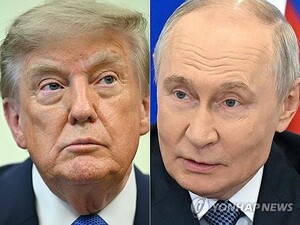
Donald Trump told his Truth Social followers on Nov. 9 that he had just concluded a “very successful discussion” with Vladimir Putin. The headline takeaway was blunt: Russia would immediately begin shipping at least 300,000 tons of diesel fuel to the United States and global markets, with 500,000 additional tons coming through November and another million tons shortly after. If Russian refinery conditions hold, an extra 3 million tons could follow.
“Record levels will come down very quickly,” Trump wrote, calling the announcement “very big and important.”
It was an extraordinary pivot. Weeks earlier, there had been serious talk inside the Trump administration about temporarily banning diesel exports to protect American consumers. On the same day as the announcement, Trump had publicly teased that a “big announcement” on diesel was imminent at a Columbus Day event at the White House. The rescue that markets had been waiting for was coming from the last place traditional energy hawks expected it.
The Price Shock That Forced the Hand
The urgency is real. According to the American Automobile Association, the US average diesel retail price hit $6.28 per gallon the day before Trump’s announcement—that is roughly 70 percent above levels seen just before the Iran war began. Diesel fuels heating, freight, agriculture, and much of the industrial base. A sustained run at those prices has direct consequences for everything from grocery bills to manufacturing costs.
Trump inherited a market in acute stress. Supply disruptions from the Russia-Ukraine war were already constraining global diesel flows. The outbreak of the Iran conflict叠加 that pressure, threatening additional supply shocks through the Strait of Hormuz. The administration needed an off-ramp that did not require sacrificing its broader strategy against Tehran.
Buying Russian diesel was that off-ramp.
The Sanctions Paradox
This deal does something that no previous US administration has done at this scale: it effectively uncouples American consumer energy needs from the sanctions architecture built around Russia since 2022. The logic is straightforward and unsparing. If American drivers and shippers are paying a premium, and Russian refineries have product to sell, why not facilitate the flow and let market forces do the rest?
The contradiction, however, is stark. Washington has spent years trying to cap Russian oil revenues to fund the war in Ukraine. Sanctioning Russian petroleum exports was meant to strain Moscow’s war chest. Now, the US is positioning itself as a primary buyer of Russian refined fuel at a moment when Russia faces significant refining capacity constraints of its own.
There is no indication in the available reporting that this purchase comes with explicit concessions from Moscow. That gap matters. Without visible strings attached—whether on Ukrainian battlefield dynamics, broader export volumes, or refinancing terms—the deal reads less like leverage and more like necessity dressed in transactional language.
Iran and the Energy Triangle
The most consequential ripple lands on Iran policy. The US has long treated energy flows as a tool of coercive statecraft, and oil is central to Tehran’s budget. flooding global markets with an additional ~4.8 million tons of Russian diesel in the near term depresses prices in a way that benefits every oil importer—including Iran’s regional rivals, Saudi Arabia and the UAE.
Lower global diesel and refined-product prices weaken the price umbrella that Gulf producers rely on. That pressure works against Iran’s economic stamina, but it also squeezes America’s own allies. Riyadh and Abu Dhabi will calculate whether they prefer stable high prices backed by coordinated supply restraint or discounted fuel sold by Moscow and Washington together.
The Trump administration appears to have made that calculation already. The priority is domestic price relief, not alliance pricing harmonization.
Who Wins and Who Loses
American consumers win immediately—assuming the promised volumes reach the market and do not simply sit in transit. Trucking companies, farmers, and logistics firms see variable cost reductions within weeks.
European refiners and distributors lose. They have spent years restructuring supply chains to replace Russian products. A surge of Russian diesel re-entering the global pool undercuts their positioning and reopens the very dependency they worked to unwind.
Russian refineries that can ship gain a critical revenue outlet at a moment when domestic demand is soft and European markets are largely closed to them. Moscow walks away with hard currency and a diplomatic opening it has not held since early 2022.
Tehran’s adversaries gain short-term price relief, but Iran itself gains nothing. If anything, cheaper refined products from Russia reduce the incentive for Iranian fuel exports to fill the gap—another marginal revenue stream for Tehran that gets foreclosed.
What Comes Next
Two questions will define whether this deal survives its first month.
First, can Russian refineries actually deliver? Trump qualified his larger figure—3 million additional tons—by tying it to “their refinery conditions.” Russian refining has faced documented outages, maintenance backlogs, and drone damage over the past two years. Hitting those targets on schedule is not guaranteed. If the volumes do not materialize, the price drop Trump promised will disappoint, and the political optics of relying on Putin for American fuel comfort will sour quickly.
Second, what does Moscow extract in return? The article does not specify any quid pro quo beyond the fuel itself. But in diplomacy, silence about concessions is rarely absence of concessions. Watch for parallel moves: Russian diplomatic softening on Ukraine, eased restrictions on grain or energy corridors, or coordinated statements that recalibrate both countries’ posture toward the Middle East. The fuel deal may be the visible tip of a broader realignment.
The Bottom Line
Trump chose the fastest path to lower diesel prices and took it through Moscow. The move solves a near-term pain point while quietly revising the post-2022 sanctions order. Whether that revision strengthens or weakens American leverage over Russia depends entirely on what—if anything—Washington secured in exchange. Until those terms surface, the deal looks less like strategy and more like emergency plumbing.