Trump's UN Speech Masks a Secret Diplomatic Opening With Iran
Trump threatened to annihilate Iran at the UN while backchannel talks with envoy Steve Witkoff progressed. The contrast between public hostility and private diplomacy could reshape Middle East security architecture.
The Two Trumps at the UN
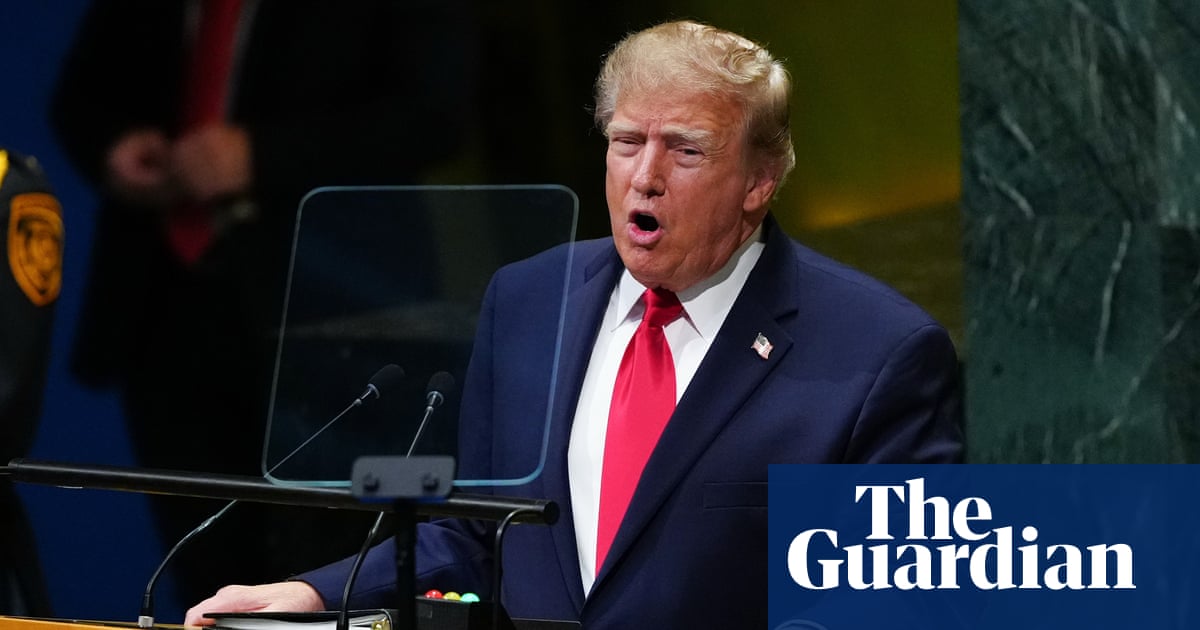
Donald Trump stood at the podium in New York and told the world the United States would annihilate the Islamic Republic, and do it quickly. The language was apocalyptic, the tone unmistakably combative. By any conventional reading of diplomatic signals, this was a president pushing toward confrontation.
But three hours later, something else was happening. Steve Witkoff, the president’s special envoy, sat down with Iranian officials for what he called a productive meeting. This was the first substantive contact between the two sides since Vice President JD Vance met an Iranian delegation in Switzerland back in June. According to a senior Iranian official, Tehran signaled it was prepared to reopen the Strait of Hormuz within a week.
Here is the thing most English-language coverage is missing: both stories are true at once. The threats are real. So is the diplomacy. Trump has built a governing style on this exact dialectic — scream loudly, then let his envoys slip through the door while everyone is still flinching.
Why the Strait of Hormuz Matters More Than the Speech
The Strait of Hormuz is worth paying attention to because it is not just another geopolitical talking point. Roughly 20 percent of global oil consumption passes through that narrow waterway. When it closes, energy prices spike. When it reopens, they drop. Trump explicitly tied the two together in his address, urging countries to isolate Tehran and bring down global energy costs.
If Iran follows through on its signal to reopen the strait within seven days, the economic implications are immediate and tangible. Markets would react before the ink dries on any formal agreement. But the strategic implication is deeper: it would represent the first concrete de-escalation since tensions escalated dramatically over the past year, and it would validate a strategy that relies on private channels rather than public announcements.
Witkoff said he felt very good about the meeting. That phrasing matters. It is the language of someone who walked away with something — whether that is a verbal understanding, a timeline, or simply the assurance that a conversation remains possible.
The Anatomy of a Hybrid Strategy
Trump has never been a traditional diplomat. He does not believe in steady, incremental statecraft. His approach is transactional, theatrical, and deliberately unpredictable. The UN platform is one of his preferred stages precisely because it is global. He can threaten annihilation to a packed hall and then signal flexibility through backchannels without anyone in the room knowing which version they should believe.
This is not new. It is how he operated during his first term and how he is operating now. The difference this time is the stakes. A conflict with Iran would not be contained. It would draw in regional allies, disrupt energy supplies across Europe and Asia, and potentially pull in other great powers.
The Republican senator John Curtis demanding a Senate investigation into Trump Jr’s wedding funding by Russian oligarch Umar Kremlev shows the administration already facing pressure on multiple fronts. Meanwhile, Byron Donalds has stripped Trump references from his gubernatorial campaign website. The party is fracturing even as the president pursues what appears to be a delicate diplomatic maneuver.
Who Wins, Who Loses
If the strait reopens and energy prices fall, Trump has a tangible victory to point to. He can claim his pressure campaign worked. Iran gets a face-saving de-escalation without publicly conceding anything. Witkoff gains credibility as an operative who can deliver results outside formal channels.
The losers are harder to identify because the arrangement is deliberately vague. Hardliners on both sides lose. Iran’s Revolutionary Guard loses if the strait reopens without visible concessions from Washington. Trump’s base loses if the rhetoric softens too quickly. Nobody wins if this falls apart and hostilities resume after both sides have staked positions.
What is striking is that the Iranian official did not make the Hormuz signal through a press release. It came through a backchannel, relayed indirectly. That suggests Tehran wants the outcome without the appearance of capitulation. That is a negotiation posture, not a defeat.
What Happens Next
The next seven days are the critical window. If the strait remains closed past the timeline Iranian officials floated, the Witkoff talks were performative and the threats were the only real signal. If it reopens, we will see whether a formal agreement follows or whether this remains another episode of managed tension.
Trump’s speech also touched on Greenland military bases, attacks on the International Criminal Court, and a walkout provoked by his remarks on Cuba. These are secondary to the Iran storyline but reveal the same pattern: maximalist demands paired with a willingness to adjust on execution. The Greenland announcement, for instance, has strategic relevance for Arctic access and NATO dynamics but is unlikely to unfold quickly. The ICC attack is symbolic retaliation that costs nothing and pleases a base.
One more data point is worth holding: Trump executed more than 1,000 stock trades in July alone, valued at up to $270 million. Whether that influences policy is impossible to prove, but it reinforces a reading of this presidency as fundamentally transactional. Everything has a price. Even annihilation threats come with an exit ramp if the numbers work out differently.
The international community is still figuring out which version of Trump’s UN address to take seriously. The answer, as it has been throughout his political career, is both.