Tupac's Killer Got Caught by His Own Book — What That Means for Music's Dead Legends
A Las Vegas jury convicted Duane Keith Davis of murdering Tupac Shakur, but the case hinged on a memoir Davis wrote for profit. The conviction ends a 30-year mystery but exposes how the music industry's dead stars become commodities.
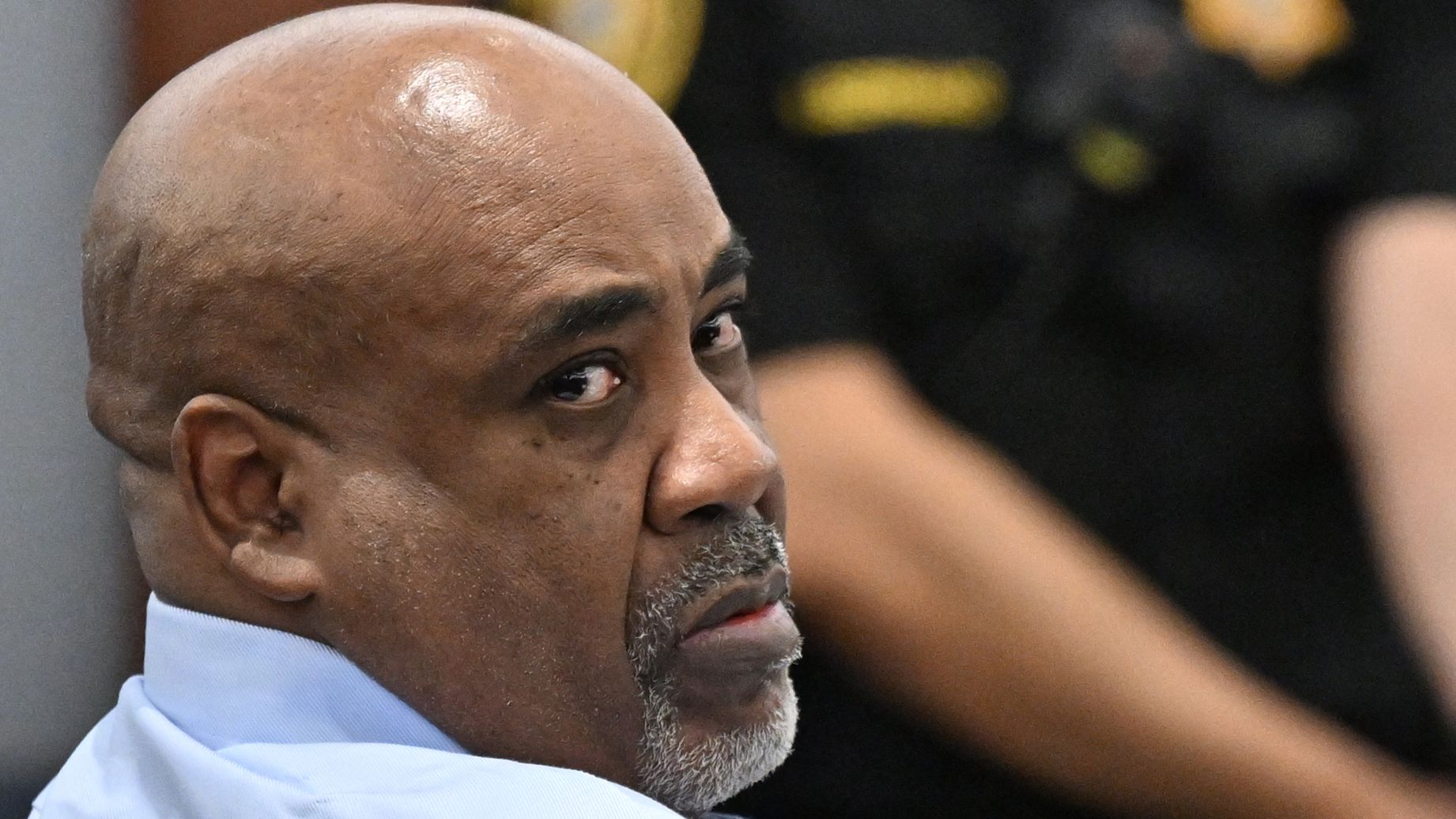
The Book That Solved a Murder
Duane Keith Davis didn’t get caught because of DNA evidence, surveillance footage, or a whistleblower within the Crips. He got caught because he wrote a book.
In 2019, Davis published “Compton Street Legend,” a memoir that included a detailed account of the September 7, 1996 shooting that killed Tupac Shakur. The Clark County district attorney, Marc DiGiacomo, put it plainly during the trial: “Had he decided to never write the book, he would not, probably, have ever been prosecuted for the crime.”
A Las Vegas jury took just three hours to convict Davis of murder. The verdict ended a thirty-year investigation into one of music’s most famous unsolved cases, but it also revealed something uncomfortable about how the music industry treats dead stars.
A Death That Made Money
Tupac Shakur was one of the world’s highest-profile rappers when he was shot four times in a car near the Las Vegas strip. He was twenty-five years old.
Death sells. That truth has governed the posthumous release of Shakur’s music for decades. His estate continues to profit from albums released after his death, including projects like “Loyal to the Game” (2004) and “Better Dayz” (2002), both of which relied on unfinished recordings. Streaming numbers for his catalog remain enormous. His legend grew after 1996, fed by documentaries, books, and endless speculation.
Davis understood this market. His memoir was part confession, part cash grab. He knew people wanted to know what happened that night in Las Vegas. He gave them a story — and in doing so, gave prosecutors exactly what they needed.
The Gang War That Never Made Sense
For years, the dominant narrative around Tupac’s death centered on the supposed feud between Bad Boy Records in New York and Death Row Records in Los Angeles. The East Coast versus West Coast rivalry dominated media coverage and provided a tidy explanation for a messy crime.
The conviction upends that frame. Davis, a South Side Compton Crips leader, acted alone or with others in his own gang. The motive wasn’t corporate competition between record labels. It was personal: retaliation for an attack on Davis’s nephew, Orlando “Baby Lane” Anderson, at the MGM Grand earlier that evening.
Anderson was a rival Crip set member who had allegedly been beaten by associates of Shakur. Two years after the shooting, Anderson himself was killed in an unrelated shootout. The cycle of violence that produced Tupac’s murder continued to claim lives.
The Investigation That Failed Its Victim
Why did it take thirty years to bring someone to trial? The answer lies in institutional failure.
A 2015 Los Angeles Times investigation found that police failed to properly investigate Anderson even after the brawl became known. Detectives struggled with physical evidence and faced resistance from potential witnesses, including members of Shakur’s entourage. Some witnesses had to be compelled to testify, not because they were uncooperative out of loyalty to gang culture, but because fear and trauma made cooperation dangerous.
The case dragged through bureaucratic incompetence and witness intimidation for decades. Davis solved it for them by writing about it publicly.
What the Conviction Changes
The guilty verdict doesn’t resolve every question about Tupac’s death. Conspiracy theories will persist — they always do. The cultural mythology around his murder has become self-sustaining, producing podcasts, documentaries, and speculative articles that feed on uncertainty.
But the conviction does change something fundamental: the case moves from mystery to history. For thirty years, Tupac’s death functioned as an open wound in music culture, a symbol of hip-hop’s violent era and the industry’s failure to protect its brightest stars. That wound has now closed, however imperfectly.
The music industry gains closure but loses the commercial engine of speculation. Shakur’s estate may see reduced interest in new projects built around the murder mystery. Streaming platforms may shift their promotional focus away from the “murdered rapper” narrative that has driven marketing for decades.
The Real Cost of a Dead Legend
Davis’s conviction exposes a darker truth: the music industry benefits when its superstars die young and their deaths remain unresolved. Every documentary, every book, every true-crime podcast generates revenue. Every unanswered question extends the commercial life of a dead artist’s brand.
Shakur’s murder has produced countless works of entertainment. His death is a franchise. The conviction may slow that machine, but it won’t stop it.
The real tragedy isn’t that it took thirty years to convict someone. The real tragedy is that the investigation dragged for so long while the music industry harvested profit from the unanswered questions.
What Happens Next
Davis now faces life in prison. His attorney, Michael Sanft, argued that his client exaggerated the memoir for publicity and financial gain. The jury wasn’t convinced. They saw through the defense and convicted based on Davis’s own words.
The conviction ends an official investigation but not the cultural one. New documentaries and books will emerge, this time built around certainty rather than speculation. That shift matters: it transforms Tupac from myth back into human being, a victim of a gang retaliation gone wrong, not a martyr in an East Coast-West Coast war.
For the music industry, the case represents both a victory and a warning. It proves that cold cases can be solved — but only when the perpetrator chooses profit over silence. Thirty years is too long for anyone to wait for justice.
The Story That Wouldn’t Stay Dead
Tupac Shakur’s death became bigger than the man himself. It shaped how we think about hip-hop, about violence in Black communities, about the music business and its willingness to commodify tragedy. The conviction of Duane Keith Davis closes a legal chapter but opens a cultural reckoning about what we owe to dead artists and their families.
The book solved the case. The industry’s hunger for content created the conditions for the crime. Those two truths, uncomfortably linked, define what this moment actually means.