Vance's Gaslighting Comment Exposes a War Communication Strategy
JD Vance's dismissal of an Iranian wedding strike as "sometimes things happen" reveals how the Trump administration is reshaping its narrative on civilian casualties — and what it means for the credibility of US military operations in the Middle East.
The Phrase That Undermined Everything
When JD Vance said “sometimes things happen” at a White House press briefing, he didn’t just stumble — he handed the administration its most damaging rhetorical moment of the Iran conflict.
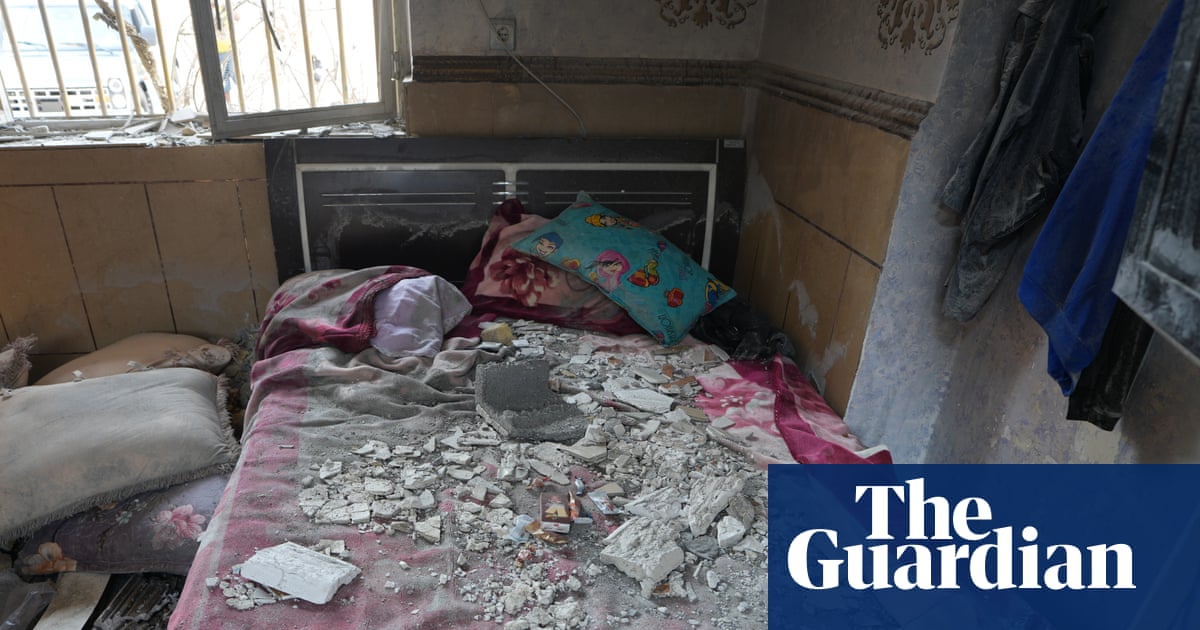
The comments came after reports from the Iranian Red Crescent that an American strike had killed four people, including a child, at a wedding celebration in southern Iran. Rather than deny the incident or commit to an investigation, Vance pivoted to questioning Iranian state media’s credibility and then offered what amounted to a philosophical shrug about civilian deaths in combat.
The effect was immediate. Congressman Ro Khanna called it gaslighting. International observers noted the contradiction between Vance’s insistence that the US “never targets civilians” and the reality of a wedding party being struck. And behind the political spin, a deeper strategic question emerged: How does a superpower justify military operations when its own words undermine the moral high ground it claims to occupy?
The Shifting Narrative
The Trump administration has faced repeated challenges in maintaining a coherent story about US operations in Iran. The conflict, now in its seventh month, has claimed 18 US service member lives and resulted in thousands of Iranian civilian deaths, according to figures from Iranian authorities that outside monitoring groups have broadly corroborated.
Vance’s remarks exposed a tension that has plagued the administration since the conflict began. On one hand, Trump has repeatedly threatened to destroy Iran’s civilian infrastructure — language that has drawn criticism from allies and adversaries alike. On the other hand, official US messaging has consistently insisted that American forces take extraordinary precautions to avoid civilian casualties.
These two positions cannot coexist. When Vance attempted to hold them together, the seams showed.
“I will say that the Iranian state media has not been a very good scribe about what’s happened in the conflict thus far, so I’m extremely skeptical of this,” Vance said. “What I can say with 100% confidence is that, unlike the Islamic Revolutionary Guard Corps, the US never targets civilians in combat. We never will do that. We never have done that.”
Then came the fatal qualifier: “and unfortunately, obviously, sometimes things happen.”
The “unfortunately” did the damage. It acknowledged that civilians die in US operations while the preceding absolutist language denied any systemic responsibility. The contradiction was stark — and it gave ammunition to critics who argue that the administration is engaged in a form of narrative manipulation rather than honest accounting.
Why This Matters Beyond the Headlines
The Vance comments are not just a gaffe. They reflect a broader pattern in how the Trump administration communicates about the Iran conflict — and that pattern has consequences.
First, it undermines US credibility with international partners. When a vice president dismisses casualty reports as Iranian propaganda without providing evidence, it signals to allies that the US is unwilling to engage with verified information about its own military actions. This matters in a conflict where transparency about civilian harm is essential to maintaining coalition support.
Second, it complicates the administration’s legal and moral position. The Geneva Conventions and international humanitarian law require parties to a conflict to distinguish between military and civilian targets and to take feasible precautions to minimize civilian harm. When officials publicly acknowledge that “sometimes things happen” without clarifying what those events are or whether they constitute violations, they create uncertainty that can be exploited by adversaries and invite legal challenges.
Third, and perhaps most importantly, it erodes domestic trust. The American public has a right to know what their government is doing in their name, especially in a conflict that has already cost 18 US service members their lives. When the vice president responds to questions about civilian deaths with deflection and skepticism, it suggests an administration that is more interested in controlling the narrative than in telling the truth.
The Power of a Single Sentence
Linguists and political strategists often note that the most powerful moments in political communication are not the carefully crafted sound bites but the unguarded phrases that slip out under pressure. Vance’s “sometimes things happen” may prove to be one of those moments.
It captured the essence of an administration that has struggled to reconcile its aggressive military posture with its professed commitment to minimizing civilian harm. It revealed a leadership that appears more focused on managing perception than on understanding the consequences of its actions.
And it provided a snapshot of a conflict that has stretched on for seven months without clear objectives, coherent communication, or accountability.
What Comes Next
The Iranian Red Crescent’s report about the wedding strike will likely prompt further investigations by international humanitarian organizations. If the strike is confirmed, it will add to the growing body of evidence about civilian harm in the conflict — and increase pressure on the US to explain its rules of engagement.
Domestically, the Vance comments may fuel already-existing concerns about the administration’s handling of the Iran situation. Lawmakers from both parties have expressed frustration with the lack of transparency about the conflict’s progress and objectives. This episode will not resolve those concerns — it may deepen them.
And internationally, the remarks will be cited by critics of US military action as evidence of an administration that is willing to dismiss credible reports of civilian harm rather than address them. That narrative will not disappear with a retraction or a clarification.
The Bigger Picture
The Vance gaslighting controversy is not an isolated incident. It is part of a pattern in which the Trump administration has struggled to communicate honestly about the Iran conflict — its objectives, its costs, and its consequences.
For a country that has built its global standing on claims of moral leadership and commitment to human rights, that struggle is not trivial. It affects alliances, it shapes perceptions, and it determines whether the US can credibly call out other nations for violations of international law.
When the vice president says “sometimes things happen” about a wedding party strike, he is not just making a bad joke. He is revealing a fundamental weakness in the administration’s approach to one of the most consequential conflicts of the decade.
The question now is whether that weakness can be repaired — or whether it will define the rest of the war.