The Weverse Breach Proves K-pop Fandom Platforms Are Monopolies With Nothing to Lose
A second data breach in six months at HYBE's Weverse exposes the uncomfortable reality of K-pop fan infrastructure: near-total lock-in means platforms face no market penalty for poor security. The lesson extends far beyond one app.
The numbers behind the leak
HYBE’s Weverse disclosed that 422,500 user records were compromised in what appears to be an external hack. The stolen data includes internal identification numbers assigned at registration, payment method details, purchase amounts, and transaction dates. The company maintains that names and contact information were not exposed, and that fraudulent transactions should be difficult — a distinction that has done little to calm fan anxiety.
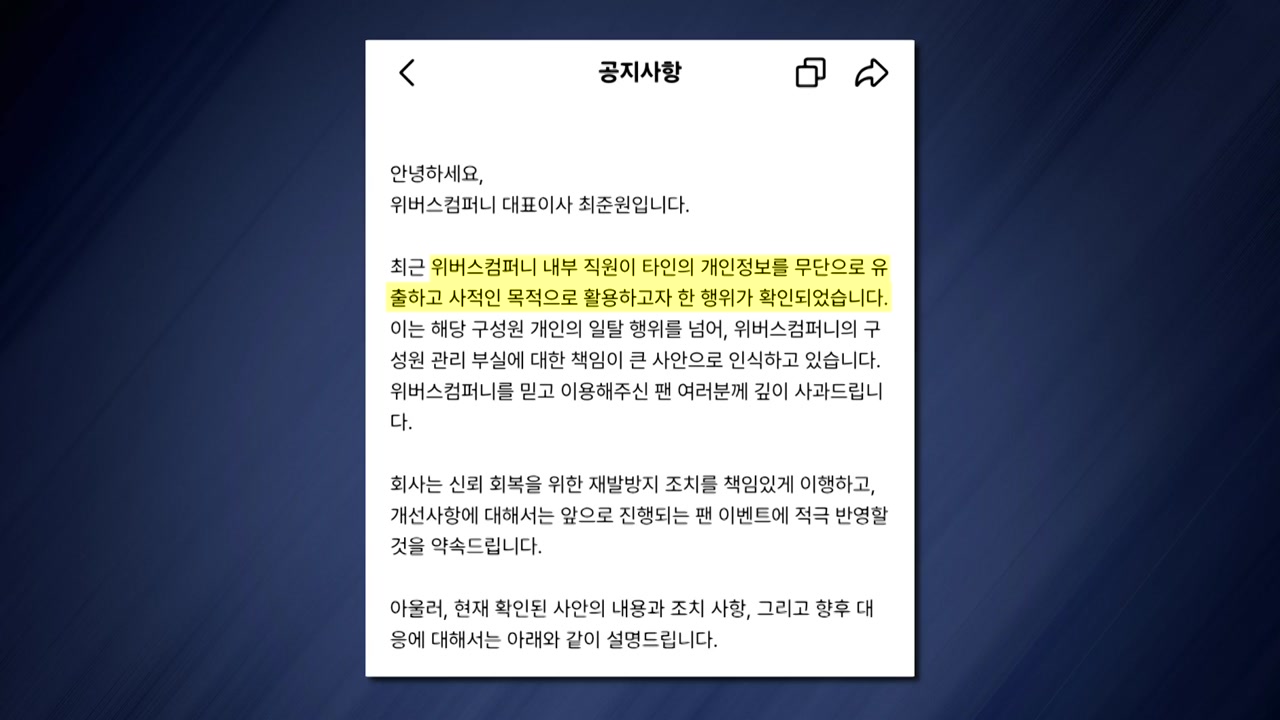
This is Weverse’s second breach in 2026. In January, an employee leaked the personal information of 30 lucky event winners to a group chat, leading to criminal charges filed by the company. Six years before that, a system error exposed some users’ personal data to other users. Three incidents. One platform. Nearly half a million records now circulating somewhere.
Why this matters beyond K-pop
The immediate story is straightforward: a major app lost sensitive data twice in six months, communicated the breach poorly, and faces an angry user base that feels it has no exit. The deeper story is about something the incident reveals about platform economics that fans worldwide are beginning to recognize, even if the terminology doesn’t exist yet.
Weverse is not a product fans choose because it is good. It is infrastructure they cannot avoid. Nearly 180 groups use it. Fan club membership, lightstick synchronization, signing event applications — the entire physical and digital engagement layer of a K-pop career passes through this single app. When your ability to attend a concert, receive official merchandise, or even communicate with other fans of a specific artist depends entirely on one platform, you do not vote with your feet. You complain in the comments and stay logged in.
That is lock-in. That is a monopoly of access. And it changes everything about how these platforms handle data, security, and accountability.
The lock-in premium
Most consumer apps operate in competitive markets. If TikTok launches something better, users leave. If Instagram’s algorithm frustrates creators, they diversify. If a streaming service raises prices, some customers churn. Even dominant platforms face the theoretical possibility of exit, and that possibility disciplines behavior — imperfectly, unevenly, but enough to shape investment decisions.
Fandom platforms operate under a different constraint. An artist’s relationship with their audience is not portable. When Blackpink members release content, post updates, or announce new projects, they do so on platforms the agency controls. The fans cannot migrate to a rival system and carry those interactions with them. The platform is not competing for attention; it is capturing an audience that has no alternative route to the artist.
This structural reality removes the primary market discipline that protects consumers in most software categories. A breach at Spotify affects billing data. A breach at Weverse can affect ticket allocation history, preferred purchasing patterns, physical addresses linked to merchandise orders, and internal fan IDs that may appear on other systems. The sensitivity profile is higher precisely because the data is tied to economic behavior — who buys, what they buy, how much, how often.
The January employee leak reveals something equally important. An internal staff member had access to event winner lists, a dataset that should arguably be segmented and time-limited. Whatever organizational controls exist around that data, they failed. Not once. Twice, counting the breach itself.
How Weverse handled it
The company’s communication choice warrants attention. Rather than a push notification or in-app popup — the standard for security incidents — Weverse placed a quiet banner in a corner of the app. For a platform that relies on constant visual presence and community momentum, this is an odd operational decision. It suggests either a genuine belief that panic would be disproportionate or a calculation that minimal visibility would minimize backlash. Either interpretation reflects a firm that does not expect users to leave regardless of how poorly it communicates.
The distinction Weverse draws between “internal identification numbers” and personal information also deserves scrutiny. Internal IDs, when combined with payment histories and transaction dates, create a behavioral fingerprint that can identify specific individuals through inference or correlation with other leaked datasets. The company’s assurance that fraud is unlikely assumes attackers lack complementary data, which is a fragile assumption in 2026.
What happens next
Weverse has requested that external actors return the data and indicated it will pursue legal action. Whether that translates into actual recovery or meaningful accountability remains unclear. The more urgent question is structural: what forces Will change Weverse’s calculus?
Regulatory pressure in South Korea could tighten. Personal information protection laws carry real penalties, and repeated breaches invite scrutiny. But regulation alone has never been sufficient to discipline platforms that hold audiences hostage through cultural infrastructure. The market itself must find a way to reward better behavior.
Competitors may emerge. HYBE’s rival SM Entertainment developed its own fan platform, though it has not achieved the same reach. If other agencies build viable alternatives, artists could demand migration — and that demand would shift power away from the platform owner. Until then, every breach is a reminder that fandom platforms have invested in something far more durable than user loyalty: structural dependence.
The wider pattern
Weverse is not unique. Fan platforms built around artist access share this vulnerability globally. Japanese idol ecosystems, Latin music fan networks, Western artist direct-to-fan tools — any system that positions itself as the sole bridge between creator and audience inherits the same lock-in dynamic. The breach at Weverse is a specific incident. The underlying architecture problem is endemic.
For the 422,500 affected users, the practical steps are clear: monitor payment accounts, update passwords, enable two-factor authentication wherever available, and treat internal fan IDs as personal data rather than opaque account numbers. The structural answer is harder. It requires regulators, competing platforms, and fan communities to recognize that dependence on a single point of access is not a feature of modern fandom — it is a risk that someone will eventually exploit.
The fact that Weverse was breached twice in six months suggests the exploitation is already happening.