When $100 Oil Meets Central Banks, Nobody Wins
Oil above $100 forces central banks into a brutal choice: let inflation run hot or crush growth. The ECB has already chosen. The Fed's dilemma will define the next rate cycle.
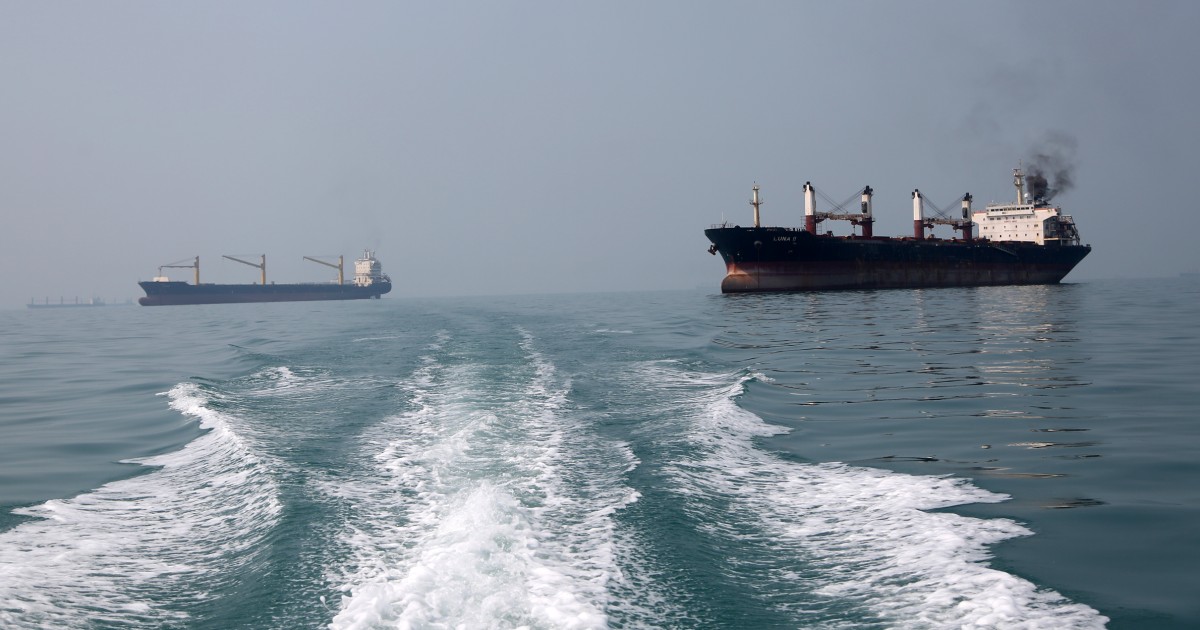
The $100 Milestone That Changes Everything
Crude oil crossed $100 a barrel again on Thursday, the first time since May — but this time the world economy looks nothing like it did six months ago. Brent hit $107. U.S. onshore touched $100. Diesel surged to $5.97. Gas climbed to $4.27. And somewhere beneath those numbers, a much bigger story was unfolding: central banks across the developed world were being forced off their pivots and back into aggressive tightening mode.
The driving force is straightforward and merciless. President Donald Trump told reporters Wednesday night he sees no deal with Iran in sight, and that oil prices would keep climbing until well after the November midterm elections. Markets instantly re-priced the risk. ING analysts called it out bluntly: the Persian Gulf tension shows no credible path to de-escalation. Commodities experts warned Brent could reach $120, maybe $150, if the stalemate drags on. That is not a scenario any central bank wants to model.
The ECB Already Made Its Call
While Washington debated, Europe moved. The European Central Bank raised rates Thursday, citing inflation pressures that will “remain well above target for an extended period.” Christine Lagarde defined that period as stretching into at least the first half of 2027. The ECB also lifted its inflation forecast. It blamed two conflicts — Iran and Ukraine — for pushing energy prices higher simultaneously.
Europe’s timing matters because it signals a broader shift. The ECB had been signaling potential cuts earlier this year. Now it is hiking again, just a day after eurozone gas prices hit their highest average since 2023. The message is unambiguous: energy-driven inflation is no longer treated as a temporary shock. It is a structural threat to price stability.
And Europe is not alone. Germany’s 10-year bond yield hit a 15-year high. French 30-year bonds touched levels not seen since 2003. Sovereign borrowing costs are spiking across the continent, and fast. Mohamed El-Erian of Allianz warned that if these moves persist, they will trigger alarm bells across virtually every major economy.
The Fed’s Brutal Dilemma
The Federal Reserve now faces a choice that grows uglier by the day. Markets are pricing in a roughly 75% chance of a rate hike at next week’s policy meeting, up sharply from before Thursday’s data. The producer price index rose 5.4% year-over-year in July, with the increases concentrated in diesel and heating fuel — categories that feed broadly into consumer prices with a lag. Diane Swonk of KPMG called the data “worrisome” for exactly that reason: energy inputs tend to generalize across the economy before policymakers even realize they’ve missed the signal.
Governor Christopher Waller said last week that a hot inflation print would push him toward a rate hike. But he also flagged “considerable uncertainty” around the Iran war, the Ukraine war, and trade policy. That uncertainty is the trap. Wait too long to act, and inflation expectations embed themselves. Act too aggressively, and you amplify a growth slowdown that is already brewing.
The worst outcome is not a single rate hike. It is a cascade — one that forces the Fed into a reactive cycle rather than a managed one. That is what Swonk warned against: the longer the Fed waits, the more it may have to do later, and larger hikes carry disproportionate damage to employment and investment.
The Fiscal Contradiction
Here is the piece most commentators are missing: the Fed’s problem is being made worse by its own government. Trump pledged on Wednesday a $5,000 dividend to every U.S. adult if Republicans hold both chambers in November. By any rough calculation, that exceeds $1 trillion in new liabilities on top of an already $40 trillion debt pile. Details are absent. The economics are not.
A fiscal expansion of that scale, colliding with an energy shock that is already pushing prices higher, creates a policy collision no central bank can cleanly resolve. The Treasury market reacted immediately. The 10-year yield touched 4.93%, its highest since 2023. The 30-year spiked to 5.35%, a level not seen since 2007. Mortgage rates climbed to 7.07%. Stocks fell. The S&P 500 dropped 0.6%, the Nasdaq 0.7%, the Dow 350 points.
This is not a normal inflation environment. It is one where the monetary authority is expected to tighten while the fiscal authority prepares to spend. That contradiction is why bond yields are rising even as growth concerns mount. Markets are pricing in both higher rates and lower growth simultaneously — the worst combination for asset valuations.
Who Loses When Energy Sets the Pace
The losers are not abstract. Households facing $5.97 diesel and 7% mortgages feel it first. Farmers run higher input costs. Trucking passes those costs to consumers. Heating fuel prices feed into everything with a lag that makes them uniquely dangerous for central banks — by the time consumer inflation data reflects them, the policy response has already fallen behind.
Emerging markets lose too. Many entered this cycle with weak currencies and elevated debt. A stronger dollar from rate differentials and higher global energy prices compresses their policy space dramatically. Countries that import more than a quarter of their oil, especially in Asia, face a direct terms-of-trade shock.
What Happens Next
If Brent reaches $120 as some analysts project, the inflation math changes again. The Fed’s next move becomes less discretionary and more compelled. If Saudi Arabia’s production indeed dropped to its lowest level since 1990, as Bloomberg reported, then supply-side pressure is compounding demand-side fear. The U.S. Strategic Petroleum Reserve sits at its lowest point since the 1980s, and the 400-million-barrel release agreement made earlier this year has already been tapped.
The simplest scenario is this: central banks hold rates higher for longer than anyone anticipated entering 2026. Growth slows. Inflation stays sticky above target. Policy makers trade credibility for patience, betting that energy prices eventually fall once the political calendar shifts. Whether that bet pays off depends on whether the geopolitical risk premium in crude actually fades after the elections — or whether it becomes the new baseline.
For now, $100 oil is not just a commodity price. It is a policy rupture.