Why Crisis Core on Switch 2 Changes Everything for Nintendo
Nintendo's immediate post-Direct release of Crisis Core Remastered for Switch 2 signals a deliberate pivot toward proven JRPG pillars. Here's what that means for the platform's future.
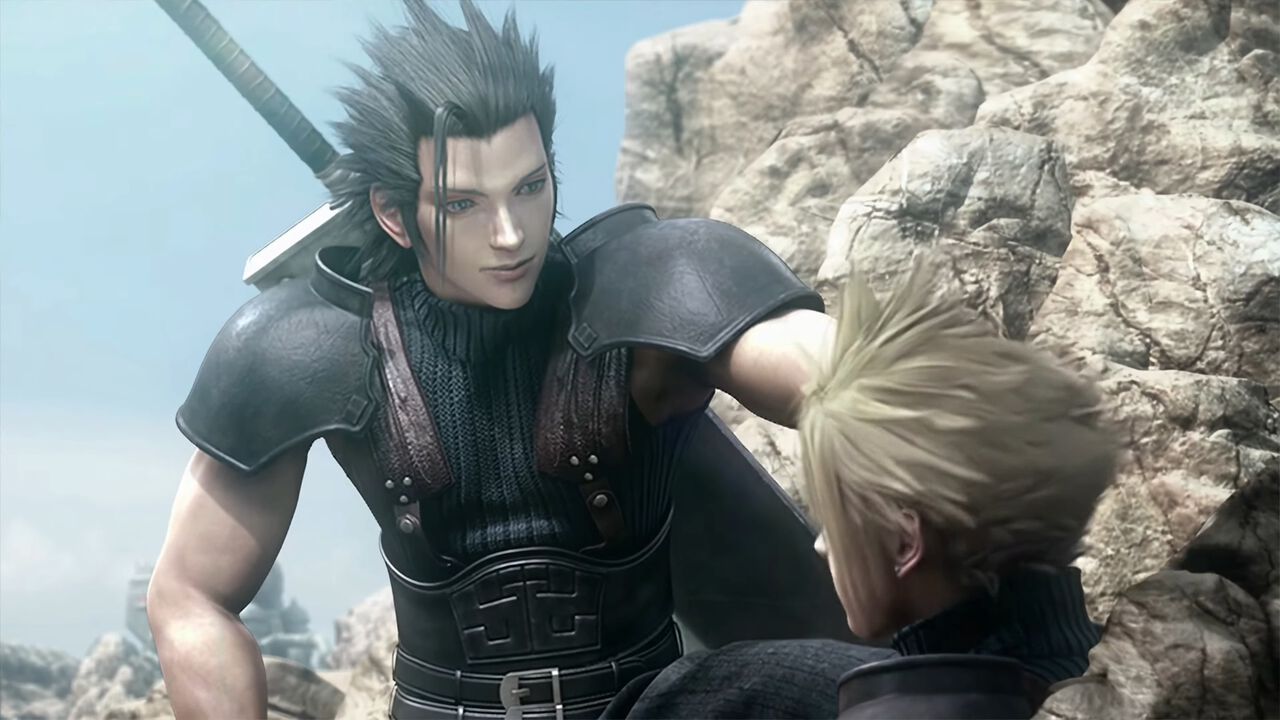
The Post-Show Drop That Wasn’t Just Theater
At 11 PM JST on September 9, 2026, Nintendo unveiled Crisis Core -Final Fantasy VII- Reunion for Switch 2 during its latest Direct broadcast. But the real signal came after the credits rolled. The digital version dropped the moment the livestream ended — not the next morning, not the following week. Immediate availability.
This wasn’t a production error or a logistical hiccup. It was a carefully staged demonstration of an ecosystem in motion. The Switch 2 doesn’t need weeks of lead time or pre-order hype cycles to deliver third-party JRPG content. It arrives when it’s ready. That’s the message Nintendo wanted buyers to walk away with.
What made this moment particularly striking was the absence of any pre-order window. Normally, major third-party releases on new hardware follow a predictable rhythm: announcement, pre-order phase, day-one delivery. This time, the store page went live and the download began within minutes of the Direct’s final frame. For players who had been waiting on the original PSP release or who had only experienced the 2022 Reunion version on other platforms, this was an unexpectedly frictionless transition. The friction wasn’t removed by accident — it was engineered into the strategy.
Why Crisis Core, Why Now
Crisis Core isn’t a casual entry point into the Final Fantasy franchise. It’s a story-driven action RPG centered on Zack Fair, a supporting character who has been beloved for over two decades. The game carries emotional weight for long-time fans, and it benefits from Remastered’s visual overhaul — the original 2008 PSP title looked dated even by handheld standards, and this port corrects that without adding new content to bloat the runtime.
But more importantly, Crisis Core carries Zero Balance weight. It’s a Square Enix property running on Nintendo hardware, and it’s available the moment the reveal finishes. That combination matters more than the game itself for what it says about the Switch 2’s positioning.
From a publisher perspective, the decision to pair Crisis Core with an instant-release model signals confidence in the Switch 2’s install base velocity. Square Enix is effectively saying the hardware will move units fast enough to justify the logistical effort of a same-night drop. For Nintendo, it’s a statement that their storefront infrastructure — the eShop transition, digital distribution throughput, and regional storefront synchronization — is mature enough to support this kind of event-tier release cadence.
The JRPG Anchor Strategy
Nintendo has spent the early lifecycle of the Switch 2 courting third-party Japanese developers with a clear playbook: bring your back catalog to our new hardware, and we’ll give you a live audience that’s already invested in the ecosystem.
The Monster Hunter Wilds expansion announcement during the same Direct reinforces this. Capcom’s title continues to be one of Nintendo’s strongest-selling franchises across every generation. Monster Hunter Generations Ultimate moved millions on Switch, and the Wilds expansion keeps that momentum alive on the new hardware. Unlike Crisis Core, the expansion likely won’t drop this instantaneously, but its announcement alongside a finalized port schedule sends the same strategic note.
Together, these two reveals paint a picture: the Switch 2 is being anchored by proven JRPG IPs that carry built-in audiences. Not unproven originals. Not experimental ventures. Titles that have already found their people.
The second-order effect of this strategy is worth examining. By anchoring the platform with legacy JRPG titles, Nintendo is indirectly raising the barrier for competitors. Sony and Microsoft each have their own first-party RPG ambitions, but neither can match the depth of catalog depth that Crisis Core and Monster Hunter represent when bundled together. A new IP might generate buzz for six months; a remastered FFVII prequel with immediate availability generates sustained interest because it taps into two decades of existing fan investment.
Who Wins, Who Loses
Nintendo wins on perceived momentum. Every third-party JRPG port announced and released during this cycle strengthens the narrative that the Switch 2 is the destination for Japanese RPG fans, especially given how many of these franchises historically have relationships with Nintendo hardware.
Square Enix and Capcom win on reach. These studios get their games in front of a massive installed base without building a new audience from scratch. The Switch 2’s hybrid nature — home console plus portable — broadens the potential player pool beyond what either studio might capture on a single-platform release.
Sony loses ground in a market where it already holds an advantage. The PlayStation brand has traditionally been the primary home for JRPG fans in the West, and seeing Crisis Core and Monster Hunter expansions land prominently on Nintendo hardware erodes that assumption, however slightly.
Console-exclusive JRPG developers lose on attention. Meanwhile, games like Fire Emblem: Three Hues (announced for a September 17, 2026 launch at ¥8,979) remind us that Nintendo’s own first-party studios are simultaneously delivering new IP alongside these licensed ports. The Switch 2 isn’t choosing between its own franchises and third-party JRPGs — it’s running both tracks at once.
An often-overlooked dimension here is the retail dynamics. Physical copies of remastered titles like Crisis Core serve as concrete reasons for consumers to visit stores during a period when digital storefronts dominate conversation. Even in a digital-first launch, the subsequent physical release creates a secondary revenue stream and reinforces the product as a tangible object rather than an invisible download. Retail partners benefit from this duality, and Nintendo’s relationship with its physical distribution network gains reinforcement at a time when competitors are increasingly moving away from it.
What Happens Next
Expect more of the same. The Direct revealed rhythm games like STEP THEATER (launching December 3) and Sondra’s Pico Park collaboration (November 12), along with Bandai Namco’s Ondeh Ondeh Kay no Umami Daibouken — all confirming that Nintendo is diversifying its third-party pipeline beyond the JRPG heavyweights. But the anchor remains firm: Crisis Core and Monster Hunter are the headliners because they carry the most gravitational pull.
The immediate digital release of Crisis Core suggests this model will become standard. Future Switch 2 JRPG announcements may increasingly follow the same pattern — reveal during a Direct, drop within hours. For consumers, that means less waiting and more playing. For competitors, it means Nintendo’s storefront becomes a closer approximation to a day-one launch window than any other platform currently offers for this category.
There’s also a longer-term implication worth noting. If the instant-release model proves successful — and early download numbers from the first hours suggest it will — Nintendo is likely to extend it beyond JRPGs. We may see this cadence applied to action titles, adventure games, and potentially even select western-developed exclusives. The infrastructure learned from Crisis Core’s launch becomes reusable across genres.
The Switch 2 isn’t trying to out-spec the competition. It’s trying to out-service the genres that made Nintendo’s previous generation a cultural phenomenon. Crisis Core arriving tonight is a small moment. But small moments, repeated, become strategy — and tonight, the strategy was delivered before most players had finished their drinks.