Why Iran's Tanker War Is a Trap for Asian Markets
The U.S. struck Iranian tankers after attempted attacks on Navy ships, and Iran is now threatening oil vessels in Kuwait and Bahrain. The Strait of Hormuz is becoming a kinetic feedback loop that no one is controlling.
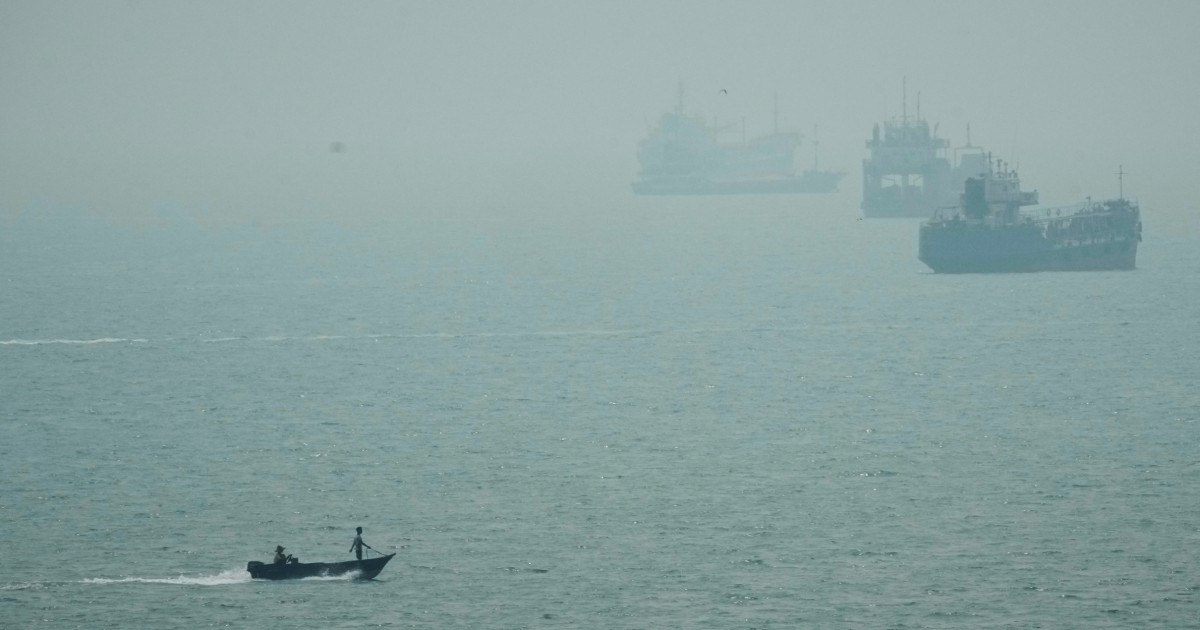
The Tanker War Just Got Personal
The United States struck two Iranian tankers Tuesday — one near Kharg Island, the nerve center of Iran’s oil export infrastructure, and another off the port city of Jask. The official justification was straightforward: the Islamic Revolutionary Guard Corps had attempted to hit a U.S. aircraft carrier and a destroyer over the weekend. No missiles connected. No Americans were injured.
But what happened next is what matters.
Within hours, Iran’s navy announced it would target oil tankers in Kuwait and Bahrain — ports that host American forces and are complicit in their actions. The warning was directed at all tanker crews in those areas, whether at anchor or docked. This was not a threat to warships or military targets. This was a threat to commercial vessels in international waters adjacent to U.S. allies.
The Strait of Hormuz, through which roughly 20 percent of the world’s oil flowed before the war, has become a battleground where both sides are attacking tankers and threatening shipping lanes. The feedback loop is real, immediate, and largely untracked by Western financial desks.
Who Wins, Who Loses
The United States won a tactical exchange. It sank one tanker and permanently disabled two others in its response to the weekend’s IRGC provocation. The message was clear: attempts on U.S. warships will be met with disproportionate force against Iranian maritime infrastructure.
Iran won something riskier. It forced the question of whether Kuwait and Bahrain — the very states hosting American troops — will be drawn into a commercial war that was never supposed to touch civilian shipping. The IRGC’s warning to tanker crews is a deliberate escalation from military targets to economic infrastructure. If Iran follows through, it is no longer fighting a naval engagement. It is fighting the oil supply chain.
Asian markets are the actual prize. Japan, South Korea, and India import the vast majority of their oil through the Strait of Hormuz. China and South Korea together account for roughly a third of Iran’s pre-war oil customers. The conflict is not abstract to them. It is immediate, it is existential, and it is moving faster than most Western coverage suggests.
The Feedback Loop No One Is Pricing In
Here is what the wires are not emphasizing: the Trump administration simultaneously imposed sanctions on more than two dozen Iranian commercial and private airlines, along with foreign cargo service providers. This is not just punishment. This is isolation architecture. The goal is to squeeze Iran from every remaining trading corridor — air and sea.
Meanwhile, the U.S. blockade of Iranian ports has already constrained Iran’s oil exports. The Pentagon is helping a limited number of ships transit the Strait on a route through the waters off Oman — a route Iran does not control and does not want ships to use. Tehran wants ships to follow the route it chooses. That is the real strategic question: who controls the lane, and who pays when they refuse.
Each strike on a tanker, each threat against a commercial vessel, tightens the knot. The Strait of Hormuz is narrow enough that a single disabled ship can block transit for days. Two disabled tankers, as the U.S. created Tuesday, are a warning. A fleet of disabled tankers, as Iran could create in retaliation, is a crisis.
What Happens Next
Iran’s threat to target tankers in Kuwait and Bahrain is the logical next step if the current exchange continues. Kuwait and Bahrain are small, heavily dependent on oil exports through the Gulf, and hosting U.S. forces. If Iranian attacks begin there, the conflict moves from a military standoff to a regional economic war. Oil prices will spike. Shipping insurance premiums will explode. Asian refineries will face supply shocks.
The U.S. has not signaled how it will respond to attacks on Kuwaiti or Bahraini tankers. That ambiguity is the danger. Every day without a clear red line is a day Iran tests the boundary.
The sanctions on Iranian aviation add another layer. Commercial airlines are not just transportation. They are trade corridors. If Iran cannot move goods by air, it will move them by sea — and the sea routes it controls are the ones that pass through the Strait. The more Iran is squeezed on land and in the air, the more likely it is to escalate at sea.
The Asian Lens
Western desks are covering this as a military story. Asian desks should be covering it as a supply story.
Japan’s liquefied natural gas imports, South Korea’s refinery feedstock, India’s crude supply — all flow through the same waters Iran is now threatening to weaponize. The Strait of Hormuz handles about 21 million barrels per day in pre-war figures. Even a partial disruption would reverberate through Asian refining margins within weeks, not months.
The market has not fully priced this in. Futures are elevated, yes, but not at crisis levels. That is because most analysts are still treating the conflict as contained to military targets. The IRGC’s Tuesday warning changed the calculus. Commercial tankers are now explicitly in the crosshairs.
The kinetic feedback loop is accelerating. The U.S. struck first Tuesday. Iran threatened retaliation on commercial targets. The question is not whether the next exchange happens, but what form it takes — and whether Asian energy markets are prepared for the moment the Strait stops being a waterway and starts being a weapon.