Why South Korea's Election Probe Matters Beyond Ballot Shortages
A special prosecutor is investigating 12 allegations against South Korea's election commission, including ballot shortages and mismanagement. The probe's scope could reshape party dynamics and expose systemic vulnerabilities in the country's electoral infrastructure.
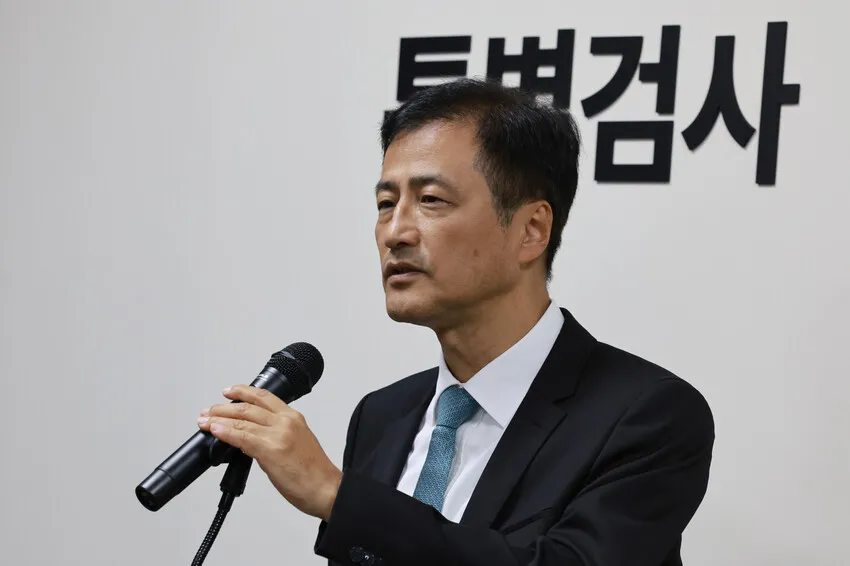
The Investigation That Could Redraw South Korea’s Political Map
South Korea’s special prosecutor office officially opened its doors on June 7 in Seocho District, Seoul, and within hours it was clear this probe would go far beyond administrative housekeeping. Lee Tae-han, the special prosecutor appointed on June 2, now leads a team that will operate for 90 days — potentially extendable by 60 more — into 12 allegations against the National Election Commission.
The headline issue, the ballot shortage during the June 3 local elections, is the most visible symptom. But the full scope of the investigation tells a different story about what’s really at stake. This isn’t merely about paper stock levels or logistics failures. It’s about whether South Korea’s electoral institutions can withstand the political pressures that have intensified in recent years.
What Actually Happened
On election day, voters in several districts found themselves without ballots. Some polling stations ran out mid-day. Others received late deliveries. The exact number of affected voters varies by report — estimates range from a few thousand to over 10,000 in severely impacted constituencies. But the incident triggered widespread social media outrage and opposition parties demanded accountability almost immediately.
The Korean Broadcasting System reported that at least 14 polling stations in Gyeonggi Province alone faced ballot shortages. In Bucheon, a suburban district with a diverse demographic, voters waited up to two hours while supplies were rushed from neighboring constituencies. Social media videos showed blank ballot boxes and frustrated citizens holding up their voter registration cards in disbelief.
Beyond the ballot shortage, the probe examines allegations of frivolous official trips — including a controversial delegation visit to Eastern European electoral observation missions that some lawmakers called a misuse of public funds — irregular hiring practices, and mismanagement within the Election Commission. That’s a much broader net than a logistical blunder. These are accusations about institutional culture: whether an agency meant to ensure fair elections has become insulated from accountability or captured by political interests.
The special prosecutor’s team received original case files and evidence from a joint investigative unit that had been looking into infringement of voting rights. But Lee made clear on day one that they would not simply rubber-stamp those findings. “The materials transferred from the joint investigation team are basic reference materials,” his office said. “We will conduct an independent, fresh investigation based on our own judgments.”
That independence matters. It means the probe isn’t constrained by the earlier investigation’s conclusions — or its limitations. It also signals that whatever political compromises may have shaped the initial inquiry won’t apply here.
Who Is Being Investigated
The Election Commission is South Korea’s independent body responsible for administering elections. It’s supposed to be above party politics. That independence is precisely why this probe is so politically sensitive. The commission’s chairman and five other members face scrutiny, though criminal charges would only apply to individuals proven to have acted with intent.
Commission leadership and staff face scrutiny for possible intentional dereliction of duty. If proven, that’s not a bureaucratic error — it’s a criminal charge carrying sentences of up to seven years in prison. The team has requested preservation of the Olympic Park vote-counting center, calling it the starting point of this entire investigation. Voter registration books and other documents stored there are expected to be central evidence.
The special prosecutor’s office can expand to 165 personnel — five special prosecutors already appointed, 20 dispatched prosecutors, 70 special investigators, and 70 dispatched officials. Lee indicated that additional prosecutors from the Ministry of Justice are expected soon, and once the Major Crimes Investigation Agency launches in October, the team plans to request further personnel from that body as well. This staffing level reflects the seriousness with which authorities are treating the allegations — comparable to probes into presidential scandals that have shaken South Korean democracy in previous decades.
Why This Matters Beyond Seoul
Ballot shortages sound like an administrative problem. In South Korea’s political context, they’re a credibility problem — and credibility is the currency of electoral democracy. The June 3 local elections were a mid-term referendum on the ruling party, and the results could influence everything from cabinet appointments to the president’s legislative agenda.
The political damage extends beyond any single constituency. Opposition parties have already framed the ballot shortage as evidence of systemic neglect, while the ruling party has accused critics of exaggeration and political motivation. This framing war will intensify during the 90-day investigation period, with each side using preliminary findings to shape public opinion.
For voters who already expressed concern about election integrity — surveys show only 47% trust the current electoral process — the probe offers a chance for institutional repair. For those who believe the system is rigged, it risks confirming their suspicions, especially if the investigation is perceived as politically motivated or too lenient toward commission leadership.
The Institutional Trust Question
South Korea’s democracy has matured significantly since its democratization in the late 1980s. But institutional trust remains fragile. Election commissions around the world depend on perceived neutrality. When that perception cracks, the consequences extend well beyond any single election cycle — they erode the legitimacy of subsequent results and fuel polarization.
The fact that a special prosecutor — a mechanism typically reserved for high-profile political scandals involving sitting officials or corporate fraud — has been deployed against an administrative body signals how seriously South Korean institutions are taking these allegations. It also reflects the political pressure on all sides to demonstrate that electoral processes are being taken seriously, even as the probe itself becomes a political flashpoint.
What happens next depends on what the evidence shows. If the investigation reveals systematic neglect or deliberate sabotage, the Election Commission’s leadership may face resignation, legal action, or both. If it finds isolated errors without institutional complicity, the fallout may be limited to personnel changes and procedural reforms — though the political damage to the ruling party is likely already done.
The 90-day clock is ticking, but the real timeline extends to South Korea’s next national election. Whatever findings emerge will shape party strategies, voter behavior, and the broader discourse about institutional accountability in one of Asia’s most dynamic democracies.