World of Warcraft Forever's Record Launch Is Only Half the Story
WoW: Forever eclipsed Wrath of the Lich King's launch records, proving appetite for classic-style gameplay. But the real question is whether Blizzard's retail team will adjust—or double down on data-driven design.
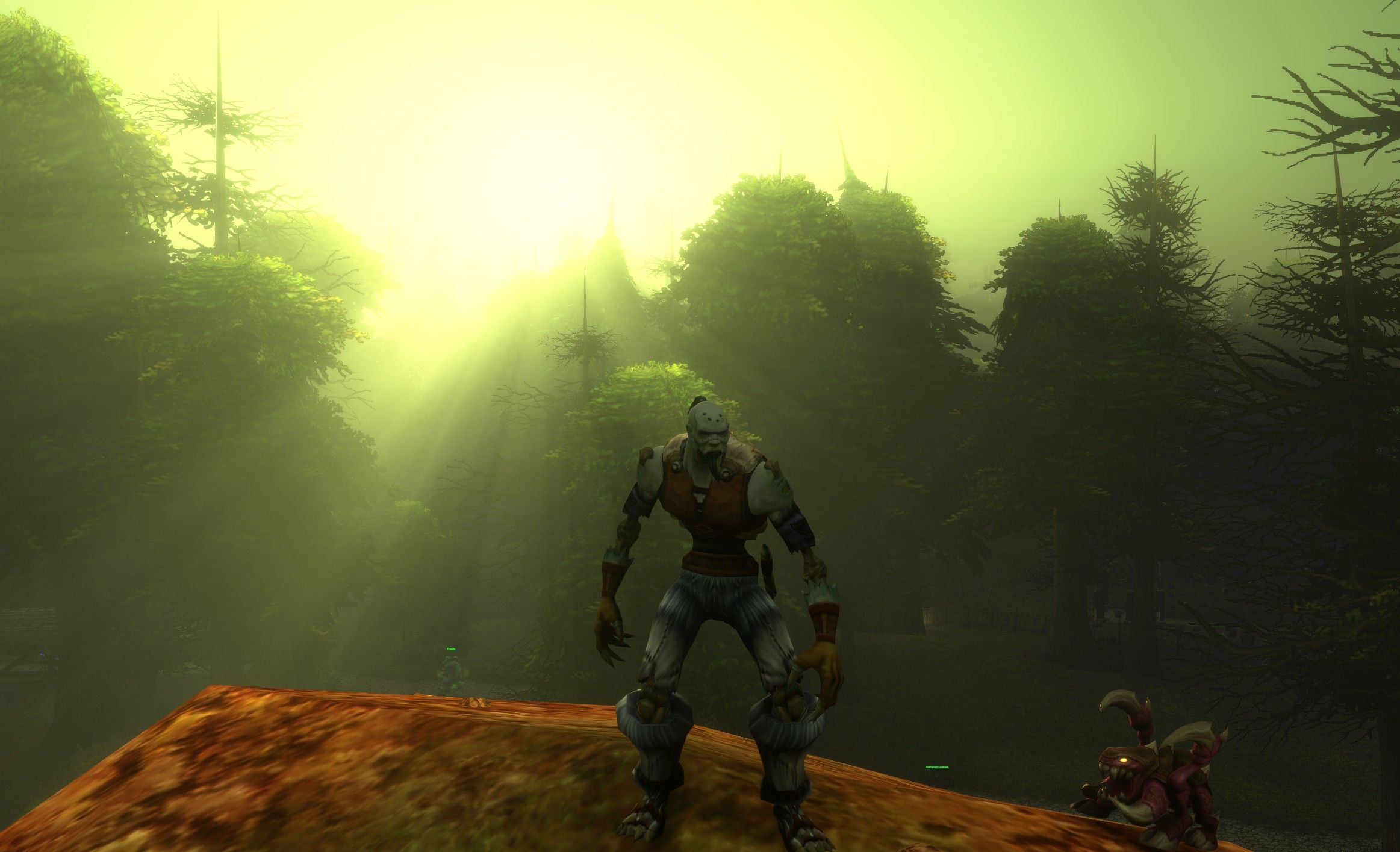
World of Warcraft Forever Is the Biggest Launch in Franchise History. That Shouldn’t Be the Surprising Part.
World of Warcraft Forever has officially become the largest launch in the franchise’s history by peak concurrent players, surpassing even Wrath of the Lich King—a benchmark that had stood unchallenged for nearly two decades. The announcement landed on official Warcraft social channels Saturday, accompanied by Blizzard’s obligatory “You made HISTORY!” messaging alongside a second record: the highest number of returning players the franchise has ever seen.
Both numbers carry weight. Neither tells the whole story.
What makes this moment structurally significant is not the record itself but what it reveals about where the audience sits. The surge did not come from drawing in new players who never touched an MMORPG. It came from people who left—sometimes years ago—and returned because Forever offered something the current retail version no longer does: patience, immersion, and trust in the player.
For the sake of clarity, the retail version of World of Warcraft—currently marketed under the name Midnight—has undergone a notable drift from its original design philosophy over several years. Player retention declined as the game shifted toward faster content cadences, streamlined social systems, and endgame loops designed for telemetry optimization rather than human motivation. World of Warcraft Forever was built separately, by a different team, with opposite instincts. It features minimal handholding, environmental storytelling, slower pacing, and a timeline set roughly a year before the original game’s base release. In practical terms, Forever is both a tribute to what made the series endure and a direct rebuttal to the design choices that drove players away.
The data confirms the pitch worked. Whether it changes how Blizzard operates going forward remains an open question.
The Subscription Model Has One Strong Competitor Left
Only two major Western MMORPGs operate without free-to-play gateways: Final Fantasy XIV and World of Warcraft. Both rely on traditional subscriptions. Both require sustained player engagement to remain viable. The genre as a whole has shrunk dramatically since its mid-2000s peak, surviving only through dedicated fan bases and consistent content delivery. A successful EverQuest would have seemed impossible ten years ago; a successful subscription-only World of Warcraft expansion now seems similarly unlikely—until it happens.
Forever’s numbers suggest that the audience never disappeared. It dispersed. It waited for something convincing enough to return. The question is whether Blizzard’s leadership treats this as a market signal or merely as a seasonal spike.
Midnight Has a Problem Now
The immediate tension inside Blizzard is between two teams pulling in opposite directions. Forever’s success provides a clean, publicly documented argument for reconsidering how Midnight develops. Players have explicitly asked the retail team to slow down, reduce convenience systems that erode social interaction, and return to world-building that prioritizes presence over efficiency. So far, those requests were largely ignored in favor of rapid rollout cycles that generated consistent but hollow engagement metrics.
Infinity’s results prove that demand exists outside those metrics. A portion of the player base prefers environments where progress feels earned rather than administered, where risk and reward coexist, and where storytelling emerges from place instead of quest text.
Whether Midnight incorporates lessons from Forever’s launch will determine whether Blizzard sustains momentum or watches its audience fragment further between two competing visions of the same IP.
Who Wins and Who Loses Here
Players win first—they just validated a specific design philosophy over a corporate default. The Forever team earns internal credibility and likely budget protection. Casual subscribers benefit from a lower-friction entry point into the franchise’s earlier design space.
Midnight’s development team loses leverage. Its existing trajectory now faces public comparison against a product using identical intellectual property but opposing priorities. If Midnight continues iterating along familiar lines without visible adjustment, further retention erosion becomes predictable rather than surprising.
Microsoft benefits most structurally. The Windows Central report notes that Forever has already been referenced in Xbox console promotion material, following the acquisition that brought the franchise under Microsoft’s portfolio. A strong subscription tailwind improves library positioning ahead of potential cross-platform expansions. Cloud infrastructure revenues also rise with sustained concurrent-player growth.
Free-to-play competitors within the wider MMO sector gain nothing from this outcome. Their models optimize for microtransaction velocity rather than long-term subscriber loyalty. Forever proves that friction, when applied thoughtfully, can generate greater attachment than frictionless accessibility ever does.
What Happens Next Matters More Than the Numbers
Peak concurrent launches are inherently temporary. What separates lasting revivals from short-lived spikes is follow-through. Blizzard must decide whether Forever functions as a standalone experiment or as a template for how the broader franchise operates.
Several factors will shape that decision. Player retention after the initial novelty fades will either validate Forever’s approach or confirm suspicions that niche appeal cannot sustain mainstream momentum. Internal resource allocation decisions across development teams will reveal whether leadership values comparative outcomes or institutional惯性. Announcements regarding future cross-platform availability—especially console releases tied to Microsoft’s expanding Xbox ecosystem—will indicate how aggressively the company plans to monetize renewed interest.
The cultural implications stretch beyond World of Warcraft specifically. An MMORPG once considered culturally past its peak has outperformed its own historical high point. That suggests certain demographics remain underserved by contemporary live-service design conventions, particularly audiences who value depth over breadth and persistence over extraction.
If Blizzard interprets Forever’s success correctly—as feedback rather than anecdote—it could reshape how the company approaches larger projects. If it treats the numbers as isolated validation, disappointment follows for everyone except quarterly earnings reports.
The industry is watching closely. Subscription-based MMOs have spent years defending themselves against free-to-play alternatives. Forever’s launch temporarily disproves the assumption that players prefer frictionless access above all else. How long that lesson sticks is what actually matters.