Xbox Just Broke the Unwritten Rule of Cloud Gaming
Microsoft's new streaming time caps end the era of unlimited cloud gaming subscriptions. Only 4 percent of subscribers are directly affected, but the policy shift sends a clear signal to every rival in the race to monetize the cloud.
The Lie Was the Product
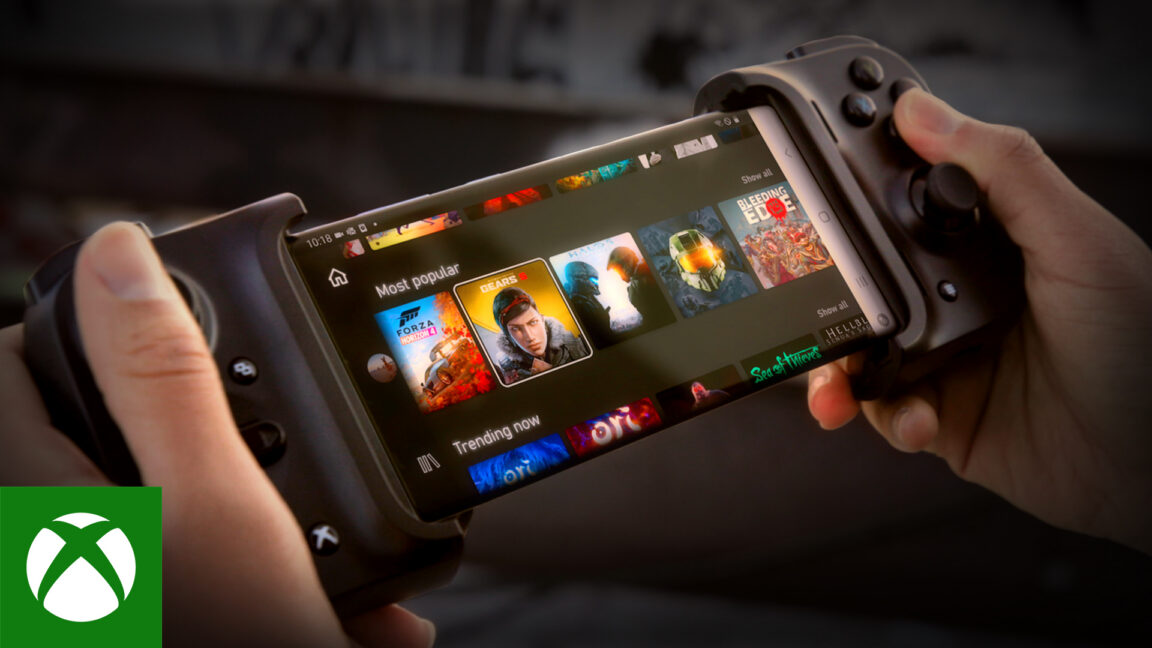
In 2020, when Microsoft launched Project xCloud under the Game Pass Ultimate banner, the pitch was simple and radical: stream any Game Pass title on any device, as much as you wanted, with no extra fees. The service was aggressively subsidized — a classic loss-leader strategy designed to build habit, gather usage data, and lock subscribers into the Xbox ecosystem before hardware margins could catch up.
That arrangement ended in September 2026. Starting in November, Microsoft is imposing monthly caps on cloud streaming time that vary by subscription tier. Game Pass Ultimate subscribers — the $23-a-month tier that has always been positioned as the complete experience — now get just 15 hours of streaming per month. Premium drops to 10 hours. Essential, the entry-level $10 plan, gets a mere 5 hours. Anyone who wants more can purchase additional time, though Microsoft has not yet disclosed pricing for those top-ups.
Downloadable versions of Game Pass titles remain unaffected. Players who prefer to install games on their consoles or PCs face no change. The restrictions target only the streaming experience — the very feature Microsoft spent years marketing as the future of gaming.
This is not a temporary adjustment. It is a structural repositioning. Microsoft is no longer treating cloud access as an open-ended benefit. It is treating it as a scarce resource with a price tag, and the company is the first major platform holder to draw that line at this scale.
Who Actually Pays
Microsoft’s press materials claim the new limits will impact only 4 percent of Game Pass subscribers. With roughly 30 million subscribers across all tiers, that translates to approximately 1.2 million players who stream frequently enough to exceed the new caps. By that measure, the vast majority of the subscriber base will not notice a difference.
But the 4 percent figure deserves scrutiny. The subscribers most likely to hit the limit are not casual players — they are the heavy streamers, the people who use cloud gaming as their primary way to play, often on devices that cannot run games natively. These are the users Microsoft’s own marketing materials held up as proof of concept. The ones who streamed Halo on a phone during a commute or played Starfield on a tablet because they did not own a console. Striking them is a policy choice, not an accident.
There is also a second group that will feel this shift, though it is not captured in the 4 percent statistic: potential subscribers who were convinced to join Game Pass specifically for the unlimited streaming promise. For them, the change arrives after the fact — a broken commitment rather than an inconvenience. That distinction matters for trust, and trust is the currency Microsoft needs to maintain as competition intensifies.
The company has also begun testing a free ad-supported streaming tier, allowing users to access their cloud libraries at no additional cost in exchange for advertisements. This mirrors the freemium model that dominates music and video streaming, suggesting Microsoft sees cloud gaming as a media consumption channel as much as a gaming platform.
The Competitive Chessboard
Microsoft is not the only player with a cloud offering, but it is the only one that previously promised unlimited access at the subscription level. Sony’s PlayStation Plus Premium tier, at $20 per month, includes unlimited streaming for its catalog of playstandalone titles. Sony has not imposed monthly caps, though its streaming library is narrower and its service exists in a different market position — it supports a dedicated console ecosystem rather than replacing one.
Nvidia’s GeForce Now operates on a fundamentally different model. Rather than capping monthly hours, it limits individual session length: one hour on the free tier, eight hours on the $20 Ultimate tier. Users can start unlimited sessions per day, so heavy players can string together multiple sittings. GeForce Now also sells single-day passes for access to over 2,000 licensed titles, creating a flexible pay-per-stream option that sits between pure subscription and pure à la carte.
Each competitor has staked a different philosophy on the question of scarcity. Sony treats streaming as an entitlement of its premium tier. Nvidia treats it as a time-boxed utility. Microsoft now treats it as a capped allowance that can be expanded for purchase. None of these models are obviously superior — they reflect different assumptions about what cloud gaming is for and who it is for.
Nintendo, notably, has not entered the cloud gaming market with any comparable service. The company’s strategy has been to deepen the value of its first-party hardware and software rather than compete on distribution infrastructure. That may change, or it may not — but Microsoft’s move creates pressure for every rival to clarify its own position before the category becomes more fragmented.
What This Means Next
The most important implication of Microsoft’s decision is not the limits themselves but the signal they send. Cloud gaming has spent six years as an unsubsidized perk, a reason to choose Game Pass over any other subscription. Now that perk has a ceiling, and the company is openly preparing to monetize the overflow.
This suggests Microsoft’s internal calculus has shifted. The subsidy phase is ending. The company has presumably gathered enough data on streaming demand, bandwidth costs, and subscriber behavior to conclude that unlimited access was financially unsustainable at scale — or at least unsustainable at the current price points.
For the 1.2 million heavy streamers, the practical response is straightforward: download games instead of streaming them, switch to a different platform, or pay extra for additional time. For the industry, the question is broader. If Microsoft can impose these limits without triggering mass cancellations, other platforms will follow. If the backlash is severe, competitors may double down on unlimited promises as a differentiating feature.
The ad-supported tier adds another variable. If Microsoft can monetize streaming through advertising — not just direct payments — it may lower the barrier for casual users while extracting revenue from heavy usage. That model works well for video platforms; its applicability to gaming remains unproven.
What is clear is that the era of cloud gaming as an unlimited gift is over. Microsoft proved the technology could work at scale. It also proved that unlimited access has costs that no company wants to absorb indefinitely. The remaining question is whether the market will accept capped streaming as the new normal, or whether subscribers will demand something closer to the promise they were originally sold.