Xbox Disc-to-Digital Is a Lifeline for Physical Owners — and a Warning to Everyone Else
Xbox's new disc-to-digital program lets physical game owners claim digital copies, but it arrives as PlayStation exits hardware media and the industry quietly renegotiates what ownership even means.
The Concession That Changes Nothing and Everything
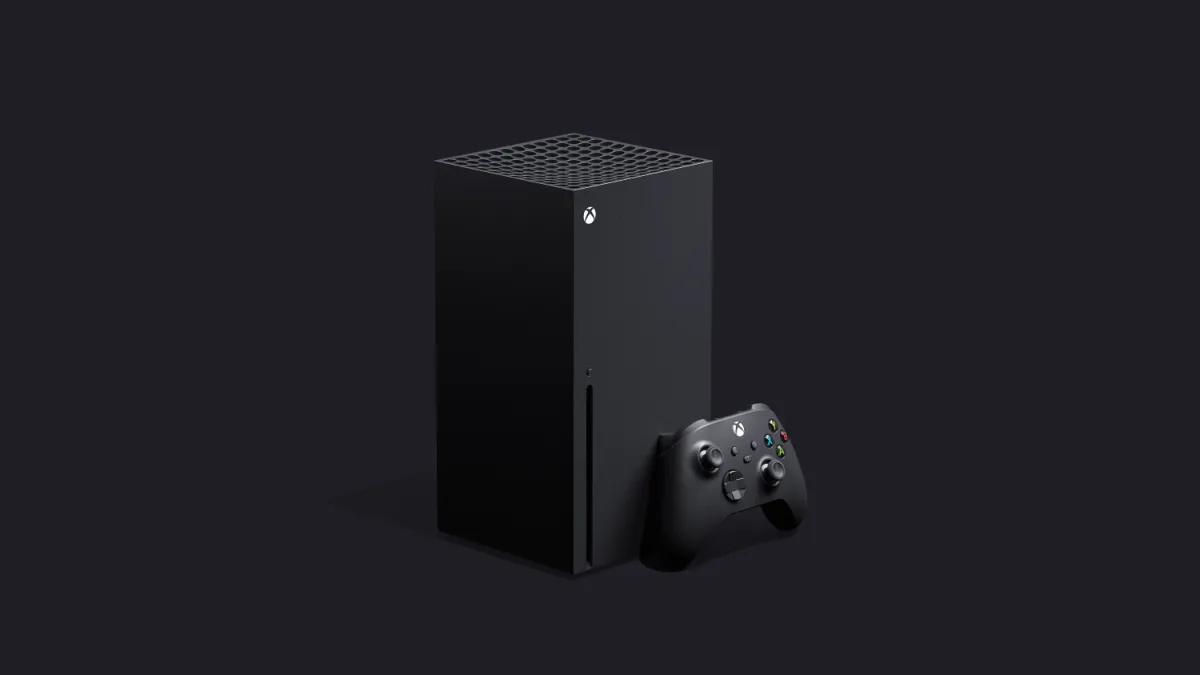
Xbox has quietly announced a feature that will matter enormously to the people who need it most and almost nothing to the rest of the market. Starting August 31 for Xbox Insider members, owners of supported physical Xbox discs can insert the game into a Series X or Xbox One, launch it, and automatically claim the digital version. The disc still works. The digital entitlement unlocks access through Xbox Play Anywhere and Xbox Cloud Gaming. You no longer have to buy the same game twice if you want both a physical copy and a digital one.
The language in the Xbox Wire post is careful. “Bringing the benefits of digital to physical discs,” it reads. “Preserving access to the games people own matters more than ever.” Those are the words of a company that knows its physical user base is shrinking and its competitors are moving on without it. This is not a feature born of conviction. It is a feature born of necessity.
The Real Story Is Who PlayStation Is Leaving Behind
The timing cannot be accidental. Sony has announced it will cease production of physical game discs by 2028. The shift has been discussed openly for years, driven by declining disc drive sales, the economics of digital distribution, and a broader industry calculation that physical media is a cost center with diminishing returns. For Sony, the math is clear. For Xbox, the math is different—and the disc-to-digital program is the proof.
Xbox is trying to hold onto a physical player base that Sony is actively abandoning. The program is, in effect, a retention strategy wrapped in the language of preservation. Thousands of Series X and Xbox One titles will initially support the feature, with more added over time. The company says it is an “important step toward a future where players can have greater confidence that the games they buy remain with them.” That confidence does not exist yet. It is being sold as a promise, not a reality.
What This Reveals About Digital Rights
The disc-to-digital program exposes a contradiction at the heart of modern gaming ownership. When you buy a physical game, you are purchasing a license to access content stored on a disc. The disc is not the game. The license is. Xbox is now saying: here, we will give you the same license in two forms, so you feel less trapped between them. It is a generous move in the narrow sense, but it does not change the structural reality. You still do not own the game. You own a revocable right to access it, mediated by servers, platforms, and corporate policy.
The program also highlights the erosion of secondary markets. When physical discs were the primary distribution method, resale, lending, and gifting created a vibrant ecosystem outside corporate control. Digital distribution killed that ecosystem. Xbox is now offering a bridge back, but only within its own walled garden. The disc-to-digital program does not restore resale rights. It does not let you sell your physical copy and keep the digital one. It does not help you lend a game to a friend. It simply eliminates the penalty of owning two copies of the same title.
The Economics Nobody Is Discussing
Xbox’s decision comes against a backdrop of significant internal disruption. The company has laid off thousands of employees, closed five internal development studios, and raised console prices. The disc-to-digital program arrives as a kind of reputational patch—a feature that looks good in press releases while the underlying structure of the business becomes more extractive. This is not unique to Xbox. It is the pattern of an industry that has moved from selling products to managing access.
The financial logic is straightforward. Digital distribution eliminates manufacturing costs, shipping costs, and retail margins. It also eliminates the secondary market, which means every transaction between publisher and consumer is captured directly. For companies like Microsoft, the incentive to move away from physical media is overwhelming. The disc-to-digital program is a compromise with the segment of the market that has not yet fully migrated—a segment that includes collectors, rural consumers, and people who distrust platforms they do not control.
What Happens Next
The program will test well with Insider members and physical game owners. It will generate positive coverage. It may slow the bleed of dedicated Xbox customers as Sony moves toward a fully digital future. But it does not resolve the deeper question: what does it mean to own a game in an era where ownership is increasingly a legal fiction?
When the disc-to-digital program reaches the general public, it will apply to thousands of titles. Many recent releases will qualify. Older titles may not. The scope of coverage is intentionally vague. Xbox has not committed to a timeline for full rollout. It has not said what happens to games that lose their digital entitlements due to licensing disputes, publisher bankruptcies, or platform sunset decisions.
The program is a relief for physical game owners. It is also a reminder that the era of physical gaming is closing. Sony is moving on. Publishers are consolidating. The infrastructure that made physical ownership meaningful—resale markets, independent retailers, secondary distribution channels—is disappearing. Xbox is offering a lifeline to a dying model. The question is whether that lifeline is enough.
The Bigger Shift
What Xbox is doing is small compared to what the industry is doing. The disc-to-digital program is a gesture toward continuity in a system designed for frictionless migration. It acknowledges that physical owners exist, that they have value, and that they deserve some accommodation as the platform moves toward a fully digital architecture. But it does not challenge the architecture itself.
For players who have built libraries around physical media, the program is welcome. For anyone watching the broader trajectory, it is a signal. The industry is moving toward a world where games are accessed, not owned. Where libraries are managed by platforms, not individuals. Where the concept of buying a game is being replaced by the concept of subscribing to access. Xbox’s disc-to-digital program is a concession to the old world. It is also an acknowledgment that the old world is ending.