Xbox’s disc-to-digital program is a Trojan horse for physical media
Xbox is letting players convert game discs to digital licenses — but the program’s fine print reveals a strategy that benefits Microsoft more than collectors or resellers.
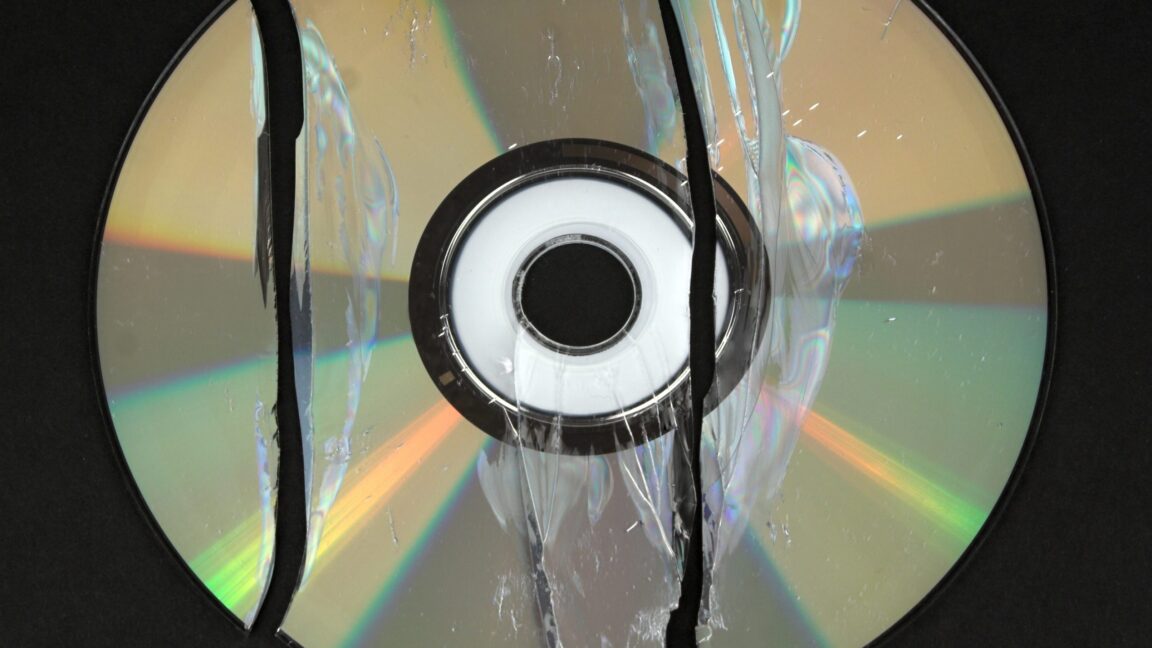
The disc you buy today might not be yours tomorrow
Xbox is launching a program that sounds generous: insert a physical game disc, claim a digital entitlement, and never need to touch that disc again. It’s available for most Xbox One and Xbox Series X titles, with testing beginning August 31 through Xbox Insiders.
But read the fine print carefully, and you’ll notice something important. The disc continues to work after conversion — until it doesn’t.
There is only one revokable license per disc. Sell it, loan it, give it away, and that digital entitlement can transfer to someone else’s account when they insert it into their console. In practice, this means your physical copy is no longer a reliable guarantee of access. It’s a receipt for a license that exists in two places at once, and both places can claim it.
Who actually wins here
Microsoft wins. The company gets to move you from a one-time purchase tied to an object into a persistent account-based relationship. Your game library becomes something tied to your profile, not your shelf. That shift matters for retention, for subscription positioning, and for the long-term economics of the Xbox ecosystem.
You might also win, conditionally. If you buy a used disc, convert it, and never resell it, you’ve unlocked Xbox Play Anywhere, cloud gaming access, and a permanent digital copy — all from a $20 physical game. That’s a genuine upgrade in convenience.
Collectors and resellers lose. The resale market for used games has always been a gray zone for publishers. This program puts it on red. A buyer who converts a disc and then sells it the next day has done nothing wrong by the letter of the announcement. But the moment they do, the license evaporates for them and reappears for the new owner. The secondary market doesn’t disappear overnight. But its value proposition just got complicated in a way that discourages participation.
The opt-in problem
A leaked memo obtained by The Verge earlier this month suggests publishers must actively opt in for their titles to participate. That explains the word “most” in Microsoft’s own language. Not every game on Xbox One and Series X will be available for conversion, and there’s no public list of which ones are excluded.
This is a leverage point. Publishers who see value in encouraging digital behavior can opt in. Publishers who want to protect their existing revenue streams or who have relationships with retailers that depend on physical sales can stay out. The result will be a fragmented experience — some games fully convertible, others stubbornly physical-only — and consumers will have no way to know which is which until they try.
Windows Central reported, based on unnamed sources, that some discs may be incompatible due to how they were manufactured. Original Xbox and Xbox 360 titles are not part of the program, which aligns with that explanation. But the implication is broader: not all physical media is created equal, and the programs that promise to rescue it from obsolescence will inevitably leave some behind.
What this means for preservation
The gaming industry’s preservation crisis is well documented. Retailers have stopped stocking physical games in many markets. Publishers have quietly delisted digital storefronts, making previously purchased games un-reinstallable. Disc rot and server shutdowns have already claimed titles that existed nowhere else.
Xbox’s program offers a partial hedge against this. A digital entitlement backed by a physical disc is theoretically more durable than either format alone. But it is not a true preservation solution. The license is revokable. It is tied to an account on a platform that can change its terms. It exists at the discretion of publishers who opt in or out at will.
For the games that do participate, it is a step forward. For the ones that don’t, the gap widens.
The long game
This is not just about convenience. It is about migration.
Every disc a player converts is one less physical object standing between them and a fully digital, account-based ecosystem. That ecosystem is easier to control, easier to monetize, and harder to exit. Once your library is tied to your Xbox account and not your bookshelf, the psychological and practical pull toward full digital adoption increases.
Microsoft has been moving in this direction for years. Game Pass, cloud gaming, and the increasing rarity of new physical-only releases all point toward the same conclusion. The disc-to-digital program is the bridge — a voluntary, consumer-friendly mechanism for crossing from physical ownership to digital licensing without requiring a new purchase.
The strategy is smart because it frames the shift as a benefit rather than a restriction. You are not being forced into digital. You are being given an upgrade. The choice is yours.
That choice, however, comes with strings. The one-license-per-disc rule means the program cannot coexist with a healthy secondary market. The publisher opt-in requirement means the coverage will be incomplete. The revokable nature of the license means the entitlement is not ownership in any meaningful sense.
What happens next
Watch which publishers opt in first. The major third-party studios with live-service models — EA, Ubisoft, Activision — are the most likely candidates. Their revenue depends on ongoing engagement, not one-time sales, and a converted disc means more players in their ecosystem with no additional acquisition cost.
Watch whether Microsoft expands the program to backward-compatible classics. If original Xbox and Xbox 360 titles eventually qualify, the preservation argument strengthens significantly. If they don’t, the program remains a partial fix at best.
Watch the resale market. If platforms like eBay and Mercari start seeing returns on converted-disc listings — or if buyers begin reporting missing licenses after purchase — the program’s real impact on physical media will become clear much faster than any official announcement.
The disc-to-digital program is a meaningful shift in how Xbox treats ownership. It is also a carefully calibrated one. The benefits are real for the individual player who converts and keeps their disc. The structural implications favor Microsoft, the publishers who opt in, and the continued erosion of physical media as a standalone format.
The games you own today will still be there tomorrow. But the idea that you own them — truly, independently, transferably — is one the program quietly asks you to let go of.