Why A 27-Year-Old Zelda Game Just Broke Nintendo's Launch Record
Nintendo's Switch 2 launch was powered not by a new franchise, but by a 1998 remake that moved 5.2 million copies in four days. The implications go far beyond one blockbuster.
The Numbers Nobody Expected
Fifty-two million is a big number. But fifty-two hundred thousand — five point two million — moving in four days, on hardware that has existed for only days, is something else entirely.
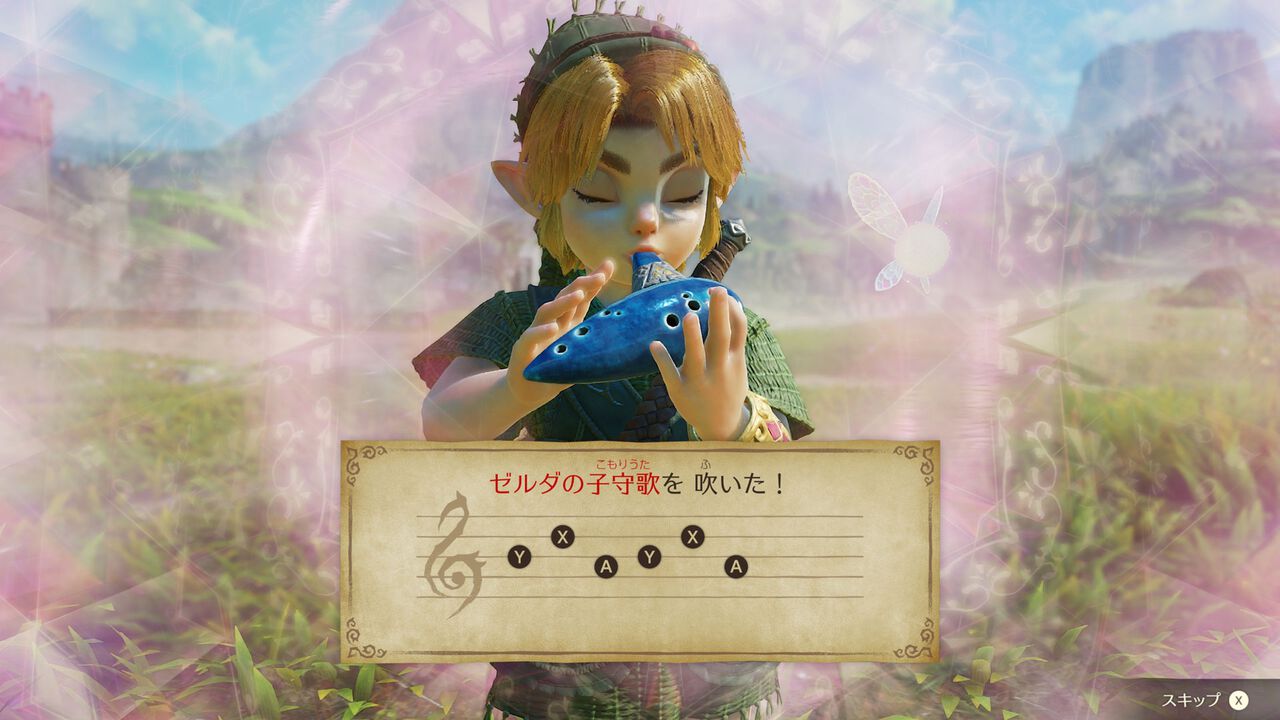
On November 5th, 2026, Nintendo released The Legend of Zelda: Ocarina of Time for the Switch 2 as a full remake. By November 9th, it had sold 5.2 million copies worldwide, making it the fastest-selling Switch 2 software ever measured at the four-day mark. Only 810,000 of those units came from domestic sales in Japan. The rest was global appetite for a game originally released on the Nintendo 64 in 1998.
That detail — 1998 — is the part most analyses skip over too quickly.
Why This Matters Beyond a Sales Chart
Let’s be clear about what just happened. Nintendo did not launch its next-generation console with a brand-new franchise. It did not bet its hardware momentum on a sequel nobody asked for or an expensive live-service experiment. It launched the Switch 2 with a polished retelling of one of the most influential action-adventure games ever made, bundled into hardware that commands a premium price.
And it worked spectacularly well.
For years, there has been an industry debate about whether “next-generation” hardware needs next-generation exclusives to drive adoption. The conventional wisdom held that you launch with a system-seller — a new IP or a flagship entry in a long-running series — that showcases what the new machine can do. Think Halo on Xbox, think God of War on PlayStation. You point at the tech and say: look what we can now render.
Nintendo’s approach has always been slightly different, and this launch reinforces it. The message wasn’t “look at our graphical fidelity.” The message was closer to “remember when this changed everything? Now it feels like it was made yesterday.”
The Economics of the Retread
There is a persistent assumption in gaming that remakes are cheaper bets than greenfield projects, and therefore less exciting from a business perspective. That assumption is incomplete. A remake carries known creative risk — you’re reinterpreting existingIP, not inventing a universe from scratch. But it also carries known market risk, because the audience already exists. You know people want this. You just need to convince them it’s worth buying again.
Five point two million people decided it was. In four days.
For comparison, even major first-party launches on the original Switch needed months, sometimes a year, to reach comparable cumulative totals. The scale of an opening-weekend record on new hardware like this is extraordinary regardless of the product’s pedigree.
What’s notable here is that Nintendo is treating its deep back catalog not as archival material to be monetized quietly, but as launch-campaign centerpiece content. This is a strategic choice. It says the company sees value in its legacy IP competitive enough to anchor a generation shift, rather than viewing nostalgia titles as secondary to “real” new releases.
Who Wins, Who Loses
Nintendo wins obviously. But so does the broader ecosystem around licensed retro remakes. Other publishers watching this will note that a faithful, high-quality re-rendering of a 27-year-old title can outperform the launch windows of many brand-new sequels. That observation doesn’t make sense in a vacuum, but it lands loudly in the current climate where development costs for AAA games have escalated and player expectations for novelty are reaching diminishing returns.
Competitors who rely heavily on annualized sports titles or incremental sequels may face harder questions about differentiation. Players who felt priced out of previous generations — who owned the original on N64 but never experienced Ocarina of Time at full resolution with modern input standards — represent a market Nintendo just tapped directly.
Critics of Nintendo’s pace of innovation will call this safe. They will also have to explain why the safe play generated more revenue in seven twenty-four hours than almost any competitor’s headline launch of the same period.
What Comes Next
The data point from Famitsu is small in scope — four days on one platform, one game — but the directional signal is clear. Nintendo believes its next-gen strategy hinges on accessible reinterpretations of iconic properties, supported by practical quality-of-life improvements rather than radical reinvention. The mention of ZELDA NOTES, a companion app feature available even to non-subscribers of the paid online service, suggests the company is experimenting with hybrid digital-physical engagement models alongside traditional retail pushes.
If this trajectory holds, expect subsequent Switch 2 titles to follow a similar pattern: recognizable IP, significant visual overhaul, thoughtful accessibility refinements, and release windows positioned to maximize holiday-season momentum. It’s a formula that could reshape how mid-tier developers approach portfolio planning — leaning into curated revivals rather than spreading resources thin across experimental IPs with uncertain ROI.
One year from now, the industry will still be talking about what five point two million four-day sales actually means for the economics of being old in a business obsessed with new.
For now, Link is back, he looks different, and he just proved that some stories don’t need rewriting to sell.
Sources: Famitsu (November 10, 2026); Nintendo press release dated November 10, 2026. Sales figures include both physical and digital units. Data reflects the four-day window following the November 5, 2026 global launch.