Warsh Warns AI Spending Will Shock U.S. Economy
Fed Chair Kevin Warsh says surging AI investment will strain prices before boosting output—a structural shift that forces central banks to rethink how they manage technological disruption.
The Demand-Side Shock Nobody Is Pricing In
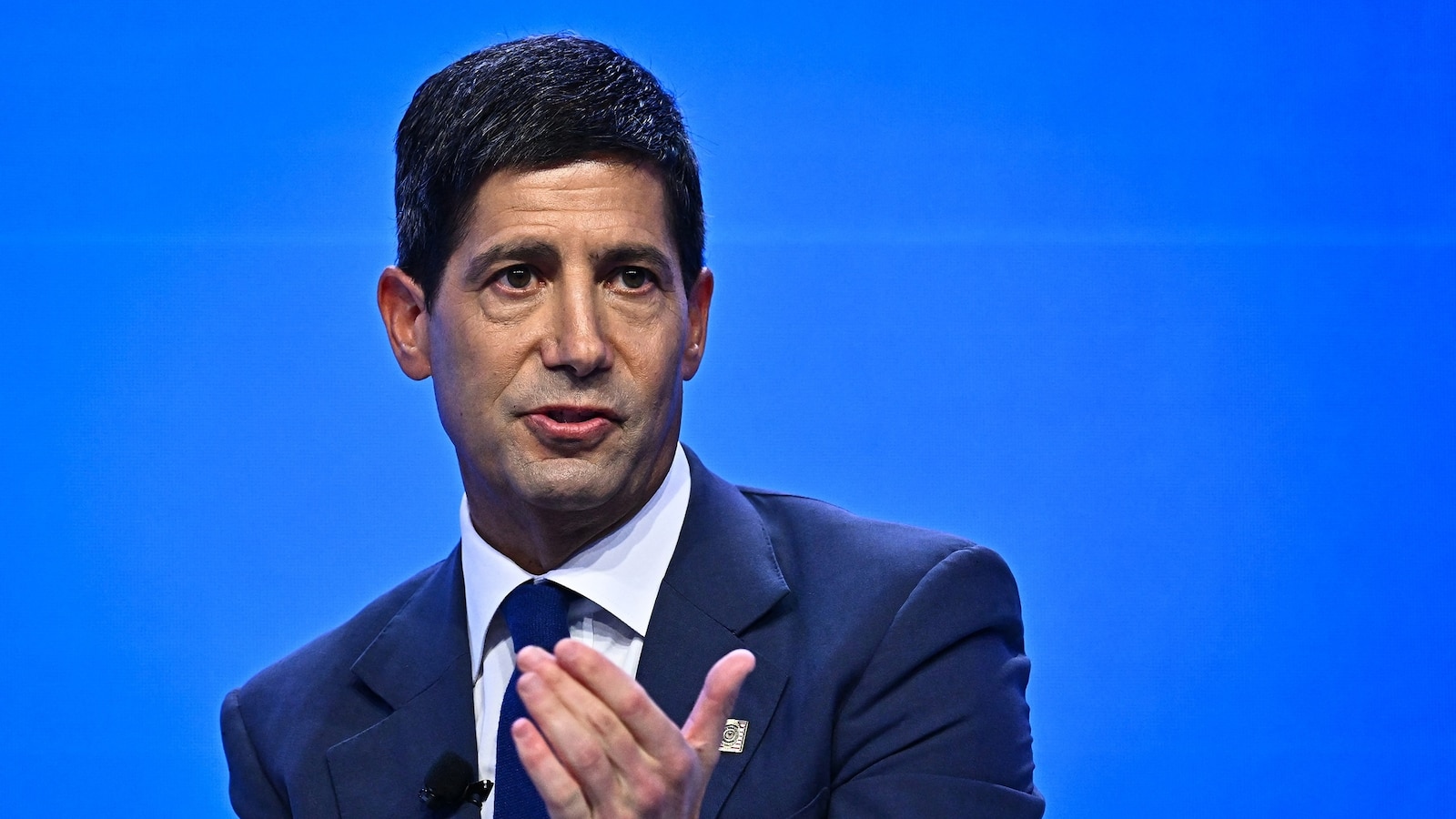
Federal Reserve Chair Kevin Warsh did not pull his punches at the IMF conference in Bangkok. The surge in artificial intelligence spending is hitting the demand side of the economy now, he said, while the supply-side benefits—the productivity gains, the efficiency gains, the long-term wealth creation—remain years away.
That asymmetry is the critical insight. AI investment is already adding billions in chip manufacturing, data center construction, and energy demand. Prices for those inputs are climbing. Consumer prices, meanwhile, have not yet felt the downward pressure of AI-driven efficiency. The result is a structural gap between where demand is running hot and where supply will eventually catch up.
Warsh called it a “shock.” That word matters more than the Fed’s usual softer language around inflation dynamics. By framing AI spending as a macroeconomic shock—comparable in weight to the oil supply disruptions triggered by the Iran war in February—he signaled that the Fed now sees technology investment as a force that can destabilize price stability on par with geopolitical events.
The Numbers Behind the Warning
September’s inflation reading told the story. The Bureau of Labor Statistics reported a 3.7 percent year-over-year increase, the highest level in four months. Middle East conflict drove gasoline prices higher, but the AI spending surge was not an ancillary factor. Warsh noted that central bankers across the world were hearing the same thing: prices were surging. His own answer was unambiguous. He had “resolve” to deliver price stability, and he had delivered it.
The Fed raised rates by a quarter percentage point in September, its first increase since 2023. The benchmark rate now sits at a level designed to slow demand and erode inflationary pressure, though monetary policy operates with a lag that can stretch several months. The next policy meeting lands on October 28, just days before the midterm elections, adding a layer of political friction to an already uncertain economic moment.
Markets reacted quickly. CME Group’s FedWatch Tool showed the probability of a rate hold climbing to 86 percent by Friday morning, up sharply from 55 percent just two days earlier. Investors interpreted Warsh’s refusal to pre-judge the upcoming meeting as a signal that the Fed would pause. That interpretation may be too generous. Warsh’s caution is a standard tool of central bank communication, not necessarily a policy pivot.
Who Wins, Who Loses
The winners are clear: the companies and investors already positioned on the AI infrastructure side. Nscale’s data center project in Barstow, Texas, is one visible example of the capital pouring into physical infrastructure that supports the AI boom. Data center construction, semiconductor fabrication, energy capacity expansion—all of these are absorbing investment at a pace that exceeds normal cyclical patterns. The firms that control the hardware and the energy to run it are seeing their margins expand.
The losers are less visible but no less real. Consumers are absorbing higher prices across a broad range of goods and services. Fixed-income holders are watching the Fed keep rates elevated longer than the market expected. Small businesses that cannot compete with the capital firepower of AI-enabled enterprises face a narrowing path to growth. And workers in sectors where AI begins to displace routine tasks will feel the pressure before the productivity story catches up to them.
Warsh acknowledged all of this when he admitted that “the path from where we are to there is likely to be a very bumpy one.” The question he left hanging—“Who’s going to be making the money?"—is the question every central bank and every investor should be asking.
Why This Changes Central Bank Thinking
Warsh’s framing is not just rhetoric. It represents a genuine shift in how the world’s largest central bank understands the relationship between technology and macroeconomic stability. For decades, central banks treated productivity-enhancing technologies as long-term supply-side improvements that would ease inflationary pressure over time. AI breaks that model. Investment in AI is front-loaded. The costs come first. The benefits come later.
That sequencing creates a problem for any central bank that targets a 2 percent inflation rate. If a new technology generates massive demand for inputs before it delivers proportional supply gains, the Fed faces a choice: allow prices to run hot while waiting for supply to catch up, or tighten aggressively and risk choking off the investment that will eventually deliver those gains.
Warsh’s language suggests the Fed has chosen a third option: it will treat the AI spending surge as a shock to be managed, not a temporary blip to be tolerated. That means rate policy will remain restrictive until the inflation data clearly shifts. It also means the Fed is preparing markets for the possibility that AI-driven inflation will persist longer than many investors expect.
The Global Ripple
Warsh spoke in Bangkok, at an IMF-organized conference, but the implications extend far beyond the United States. Every major central bank is now confronting the same structural question: how do you manage inflation when a technology investment cycle is running at a pace that dwarfs previous capital expenditure waves?
The European Central Bank, the Bank of Japan, the Bank of England—all of them are watching the same data. None of them have the luxury of ignoring the AI spending surge. The shock Warsh described is not unique to the United States. It is a global phenomenon, and the central bank response will be coordinated in practice if not in formal agreement.
What Comes Next
The October 28 meeting will be pivotal. A rate hold is likely, but the language Warsh uses around that decision will matter more than the decision itself. If he signals that the AI spending surge remains a concern, markets will price in a slower path toward rate cuts. If he downplays it, the market rally will extend—but Warsh has made his position clear.
For businesses, the message is equally direct. The AI investment cycle is not slowing. The inflationary pressure it creates is not temporary. Central banks are not going to accommodate it. The gap between demand and supply will close eventually, but it will not close quickly.
Warsh warned that the path ahead is bumpy. The Fed chair is not being poetic. He is describing a structural reality that every economy in the world must now plan for.