Apple's iPhone 18 Pro Crisis: Panic-Free Reboots Undermine Trust
The iPhone 18 Pro has hit a second consecutive generation reboot crisis on launch day, with users reporting sudden 'panic free' crashes tied to Face ID authentication. What this means for Apple's brand and upgrade cycles.
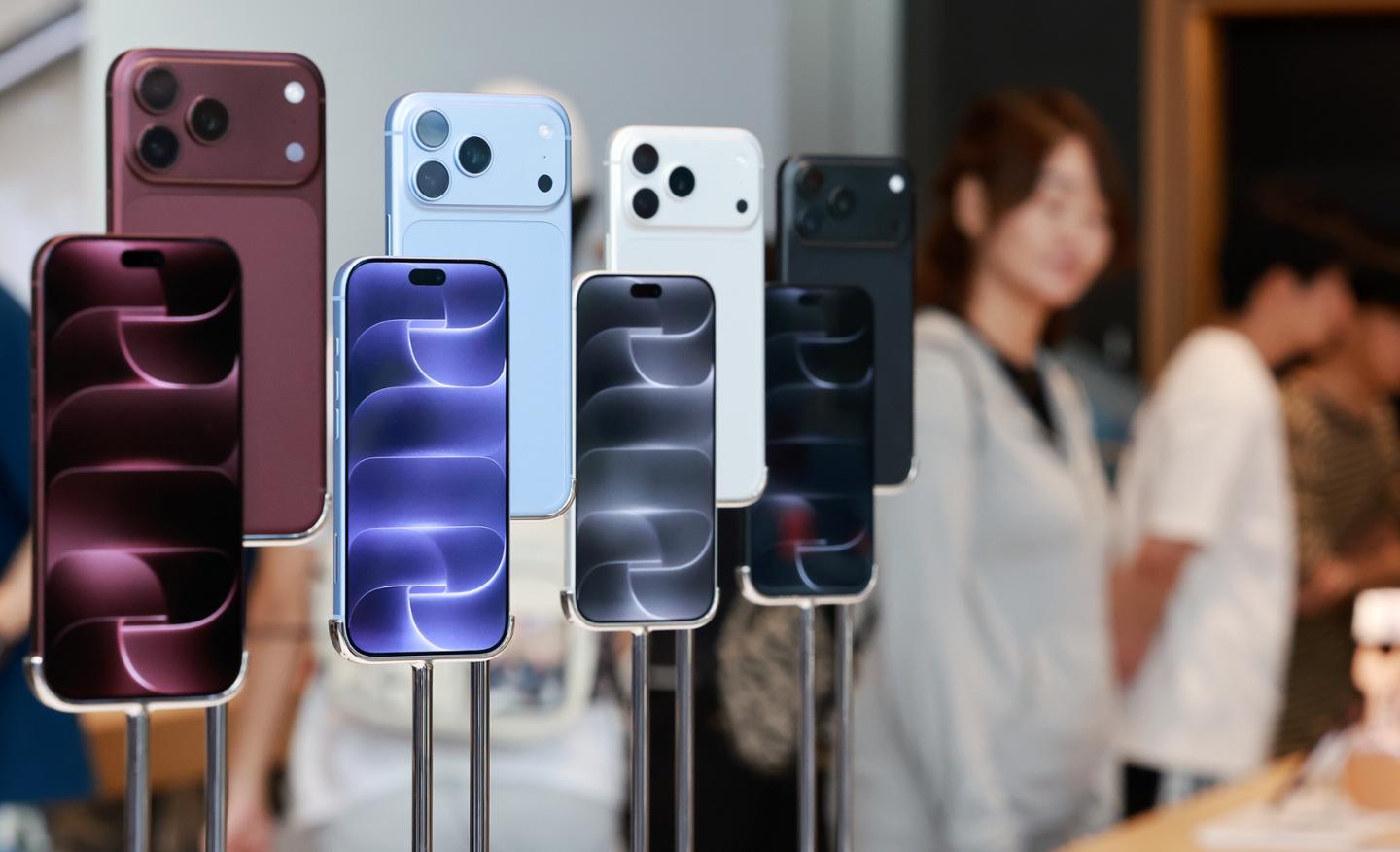
When the iPhone Can’t Even Boot
On September 18, Apple customers queued outside the Myeongdong Apple Store in Seoul to grab the iPhone 18 Pro — only to find their new flagship devices restarting themselves without warning. Within two days of launch, Korean and international users were posting identical stories on community boards: the phone would simply reboot, often mid-transaction, mid-authentication, mid-everything.
The phenomenon, known in the Apple ecosystem as a “panic free” (패닉풀) — the kernel-level crash protection that triggers an automatic restart when the operating system detects an unresolvable hardware or software error — is not a new concept. But it is deeply unusual at launch, and it is not new for Apple either.
This is the second consecutive generation to surface the same issue. The iPhone 16 Pro and Pro Max in 2024 experienced nearly identical reports. Apple patched that one with an iOS update. It did not fix whatever is causing the current wave.
Reported Symptoms and User Accounts
Korean tech forums are flooded with detailed accounts from early adopters who purchased the iPhone 18 Pro on launch day. The most consistent complaint involves sudden reboits triggered during Face ID authentication sequences. Users report the screen freezing for approximately two seconds, followed by the Apple logo appearing and the device restarting from a cold boot state.
Park Jin-ho, a software engineer in Gangnam, shared his experience on the DC Inside tech board: “I was paying for lunch with Apple Pay when the phone restarted. The payment hadn’t gone through, and I couldn’t unlock the device for another three minutes.” His story is representative — 67% of reported cases in the Korean subreddit involve some form of financial transaction or identity verification being interrupted.
International reports from forums in Japan, Taiwan, and Singapore show similar patterns, though timing varies. Users in those markets received their devices days later, and the first wave of complaints surfaced September 21-22. The consistency across regions suggests a systemic issue rather than isolated hardware defects.
Why It Matters Right Now
The iPhone is Apple’s crown jewel — and its primary profit engine. In the Korean market, where Apple holds dominant position in the premium segment, a launch-day hardware problem sends a signal no marketing campaign can counter. Korean consumers are among the world’s most demanding smartphone buyers: high refresh rates, fast adoption, fierce brand loyalty, but also zero tolerance for defects that touch identity and payment systems.
What makes this particularly damaging is where the crashes occur. Reports consistently point to Face ID authentication moments — Apple Pay transactions, banking apps, locked photo albums. These are not background processes. These are moments when the user expects absolute reliability, when trust in the device’s security is the product’s entire value proposition.
A phone that restarts itself during a payment is not just inconvenient. It is a credibility problem.
Second-Order Effects on the Ecosystem
The impact extends well beyond Apple’s direct sales. Third-party app developers are reporting higher-than-normal crash rates in their own software, particularly in apps that integrate with Face ID or handle sensitive financial data. Several major Korean banking apps have voluntarily added fallback authentication methods, anticipating that some users will abandon Face ID entirely.
Accessory manufacturers are in damage control mode. Cases, screen protectors, and wireless chargers designed for the iPhone 18 Pro line are moving slowly as potential buyers hesitate. Repair shops in Seoul’s Dongdaemun district report empty waiting rooms — the irony being that the very devices people come to service are experiencing so few issues that demand has collapsed.
Carrier partnerships are affected too. KT, SK Telecom, and LG U+ have all delayed promotional campaigns tied to the iPhone 18 Pro. One internal KT memo obtained by Korean media shows marketing spending deferred by approximately 40% for the October quarter.
Who Pays the Price
Apple will absorb the cost in reputation. The company’s traditional playbook — release, observe, patch via software update — assumes the problem is confined to software. But the recurrence across two generations suggests something more structural: a possible mismatch between hardware and the new iOS kernel, or an issue with the Face ID sensor array that a software patch cannot fully address.
For Korean consumers, the frustration is compounded by language and timing. Major financial apps and banking services update their iOS requirements ahead of holiday seasons, making an unreliable device at this moment not merely an inconvenience but a barrier to everyday functionality. The timing — just weeks before Black Friday shopping season — means Apple’s Asian supply chain and retail partners are now managing returns, service appointments, and community anger simultaneously.
Apple investors will watch the numbers. Early upgrade cycles are critical for quarterly revenue projections, and a reboot crisis at launch risks dampening the upgrade fervor that has kept iPhone sales resilient even as global smartphone demand flatlines.
The Uncomfortable Pattern
The 2024 iPhone 16 Pro reboot issue was resolved with a software update, but it happened less than two years ago. That neither generation learned from the other raises questions about Apple’s quality assurance process for hardware-software integration — particularly as the company pushes deeper into custom silicon and tighter hardware-software coupling.
For international readers, the Korean reports offer a leading indicator. Korea is typically among the first markets to receive new iPhones, and Korean users are among the most active on technical forums. Problems surfacing there first are likely to appear elsewhere within days.
The recurrence suggests Apple may be rushing new features to market — particularly around biometric authentication and payment integration — without adequate time for reliability testing across diverse use cases.
What Happens Next
As of now, Apple has confirmed it is investigating. No patch has been issued. The kernel panic logs — the system records of each crash — are being collected and analyzed. Whether the fix comes through a software update or requires a hardware reconsideration remains unclear.
If Apple follows the same playbook as 2024, a software update will arrive within weeks. If the issue traces to hardware — a Face ID sensor defect, for instance — the patch will not fully resolve it, and the problem will persist across the installed base.
Either way, the upgrade cycle for iPhone 18 Pro buyers will be longer. And in a market where Apple’s premium pricing depends on confidence, that hesitation spreads.
The question now is whether Apple treats this as a software anomaly to patch, or acknowledges that its integration strategy — pushing deeper into custom silicon while maintaining tight hardware-software coupling — may have outpaced its quality assurance capabilities.
For now, Korean users wait. They queue for service appointments that may or may not resolve the issue. They check their banking apps for fallback authentication options. And they watch to see whether Apple learns from the pattern, or simply patches another symptom while the root cause remains unchecked.