Apple's iPhone Duo App List Says Everything About Foldable Strategy
Apple highlighted over 50 apps optimized for iPhone Duo's unique layouts. Here's what that list reveals about whether dual-screen is the next mobile platform — or just a gimmick with good marketing.
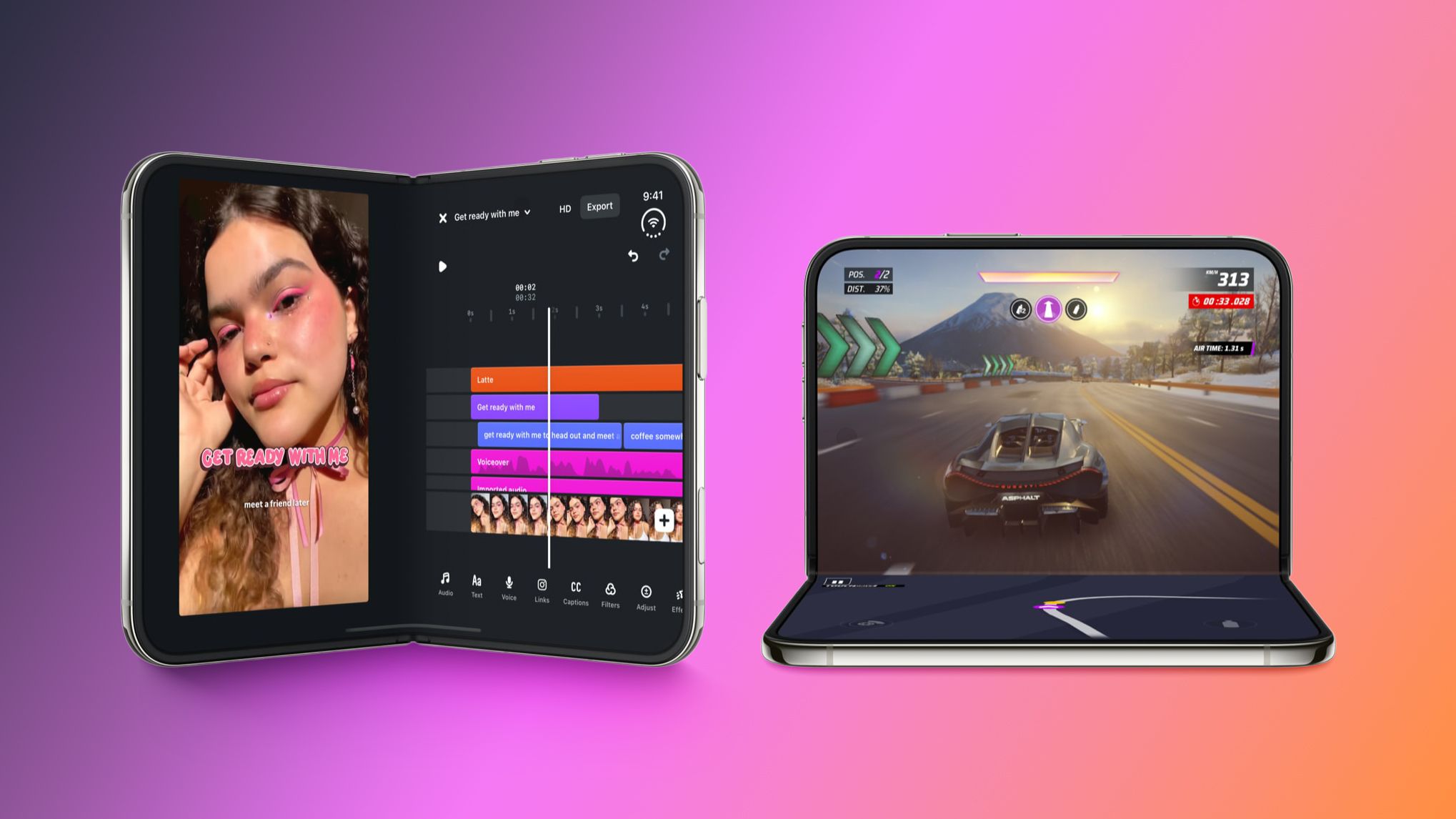
The List Speaks Louder Than the Hardware
Apple did something unusually revealing on Tuesday: it published a laundry list of more than 50 third-party apps optimized for iPhone Duo, complete with specific layout descriptions. Not a keynote speech. Not a marketing video. A catalog.
That’s not an accident. The iPhone Duo is Apple’s boldest hardware bet in years, and Apple knows the foldable market is littered with devices that looked brilliant in photos but felt hollow in daily use. Samsung’s Galaxy Z Fold line survived by building a genuine app ecosystem around its 7.6-inch unfolded canvas. Google’s Pixel Fold followed a similar playbook. Apple can’t afford the same mistake twice.
What makes this app list different from anything Samsung or Google has published isn’t the count — it’s the specificity. Apple didn’t just say these apps work on Duo. It described exactly how each one uses the device’s multiple poses: partially folded like a book, seated flat on a surface, standing upright on its edges.
That’s not a feature list. That’s a design language.
The Workflow Is the Product
Take the Netflix example Apple highlighted. On the outer display, you scroll through vertical clips — the same fast, thumb-driven discovery flow that works on every phone ever made. Then you open the device, and the content continues on the inner screen. Apple called this a seamless handoff. The reality is more interesting: it’s the first serious attempt to make the fold itself meaningful, not just a bigger screen.
The MLB app takes a different approach. Live scores, stats, and game action span the full width of the inner display. This isn’t responsive design — it’s spatial design. The app understands that when you unfold Duo, you have 7.8 inches of horizontal real estate that no other phone offers. The league app isn’t showing more content than before. It’s rearranging how that content lives on your desk.
Zoom’s implementation is the most pragmatic of the bunch. Shared content on one side, participant grid on the other. This isn’t revolutionary — it’s exactly what every enterprise app builder has been proposing to IT departments for years. What’s new is that Apple is shipping it inside its own flagship hardware, and the app doesn’t feel like a port. It feels like it was built for the form factor from day one.
The Microsoft Signal
Perhaps the most consequential announcement in the entire list isn’t about video streaming or sports. It’s about Word and Outlook.
Microsoft promised a desktop-class experience coming in the next few weeks, with formatting tools alongside documents and inbox alongside full messages. This is the same pitch Samsung made with DeX. It’s the same promise Google’s been floating with Chrome OS bridges. But Microsoft is actually building it, and it’s arriving within weeks of launch day rather than months into the cycle.
That timeline matters. Apple’s hardware has always outpaced its software promises, but the iPhone Duo is different — it’s asking developers to rethink their layouts from scratch. If Microsoft delivers a genuinely useful desktop workflow on day one, competitors can’t wait for second-generation iterations to catch up.
The deeper implication: this could be the first serious challenge to Chrome OS and Windows on the go. Not from a laptop manufacturer, but from a phone maker who figured out that folding the screen creates a laptop-like experience without the keyboard.
The SDK Layer Is Where Apple Actually Wins
All existing iPhone apps run on Duo, Apple confirmed. Their appearance varies based on which SDK tier they target — iOS 26, 27, or 27.1. That’s the technical detail that separates Apple from every other foldable attempt.
Samsung’s devices have historically required developers to build separate layouts for each screen size. Google’s Fold line improved on that, but the fragmentation problem remains. Apple’s SDK tiers create a clear migration path: build once for the inner display, optionally optimize for the fold poses, and get the same App Store distribution.
The cost to developers is lower than the cost to adopters. That asymmetry is Apple’s advantage, and it’s why the 50-app list will likely grow to 200 within six months.
The Supply Problem Is a Feature Problem
Mark Gurman’s reporting that Apple made a major mistake by opening pre-orders before securing inventory isn’t just supply chain criticism — it’s a mirror held up to the app ecosystem. Apple had more time to prep developers because the launch was supposed to be staggered. Now everyone is racing simultaneously.
Retail employees were told to warn customers against walk-in purchases on Friday, October 23. That’s unusual for Apple, which has historically let anyone walk into a store and buy whatever’s on the shelf. The fact that Apple is managing demand through soft barriers rather than hard price increases suggests the company is feeling pressure on both sides: hardware supply and software readiness.
The irony is that the apps listed today prove Apple’s software team understands the form factor. The question isn’t whether the Duo can run apps. It’s whether Apple can deliver enough optimized experiences before consumers decide the fold was just a novelty.
What the List Doesn’t Say
Notably absent from Apple’s showcase: gaming. Not entirely — Sneaky Sasquatch and Retrocade are mentioned — but there’s no First Party Studios title, no major publisher announcement, no Fortnite-style live service game optimized for Duo’s unique angles.
Gaming is where foldables have historically struggled. The hinge moves the center of gravity. Touch controls feel different when the screen is a book rather than a slab. Epic Games and Activision have both expressed interest in foldable-optimized experiences, but neither has committed to launch-day support.
If gaming doesn’t follow the same trajectory as productivity apps, Apple’s argument for the Duo weakens considerably. A productivity tool you carry everywhere is compelling. A gaming device you occasionally fold is just a phone with a bigger screen.
The Real Test Is Six Months Out
Apple’s iPhone Duo launch plan mirrors the original iPad playbook: show the hardware, flood the ecosystem, and let the apps prove the value proposition. The original iPad shipped with 500 apps. By launch, the App Store had over 500 — and the real test was whether those apps justified carrying a separate device.
The iPhone Duo faces a harder question. You already own the hardware underneath it — it’s just folded in half. For the Duo to succeed, the fold needs to create experiences that the flat phone cannot replicate, not just bigger versions of what already exists.
The app list suggests Apple is close. Netflix’s outer-to-inner flow works. MLB’s full-width dashboard is genuinely better than any single-screen alternative. Microsoft’s desktop Office promises to be the killer use case — if it ships on time.
But three days until launch and supply constraints still loom large. The best app ecosystem in the world means nothing if nobody can buy the device to run it.
Apple’s 50-app list isn’t a victory lap. It’s a roadmap. The real question is whether the roadmap leads somewhere worth going — or just a bigger version of the same place we already are.