Apple iPhone Duo Launches in Japan, Reshaping the Foldable Market
Apple's first foldable phone has arrived — and Japanese pricing data reveals a market strategy that could accelerate foldable adoption worldwide. Hands-on details show where the device wins and where it still trails rivals.
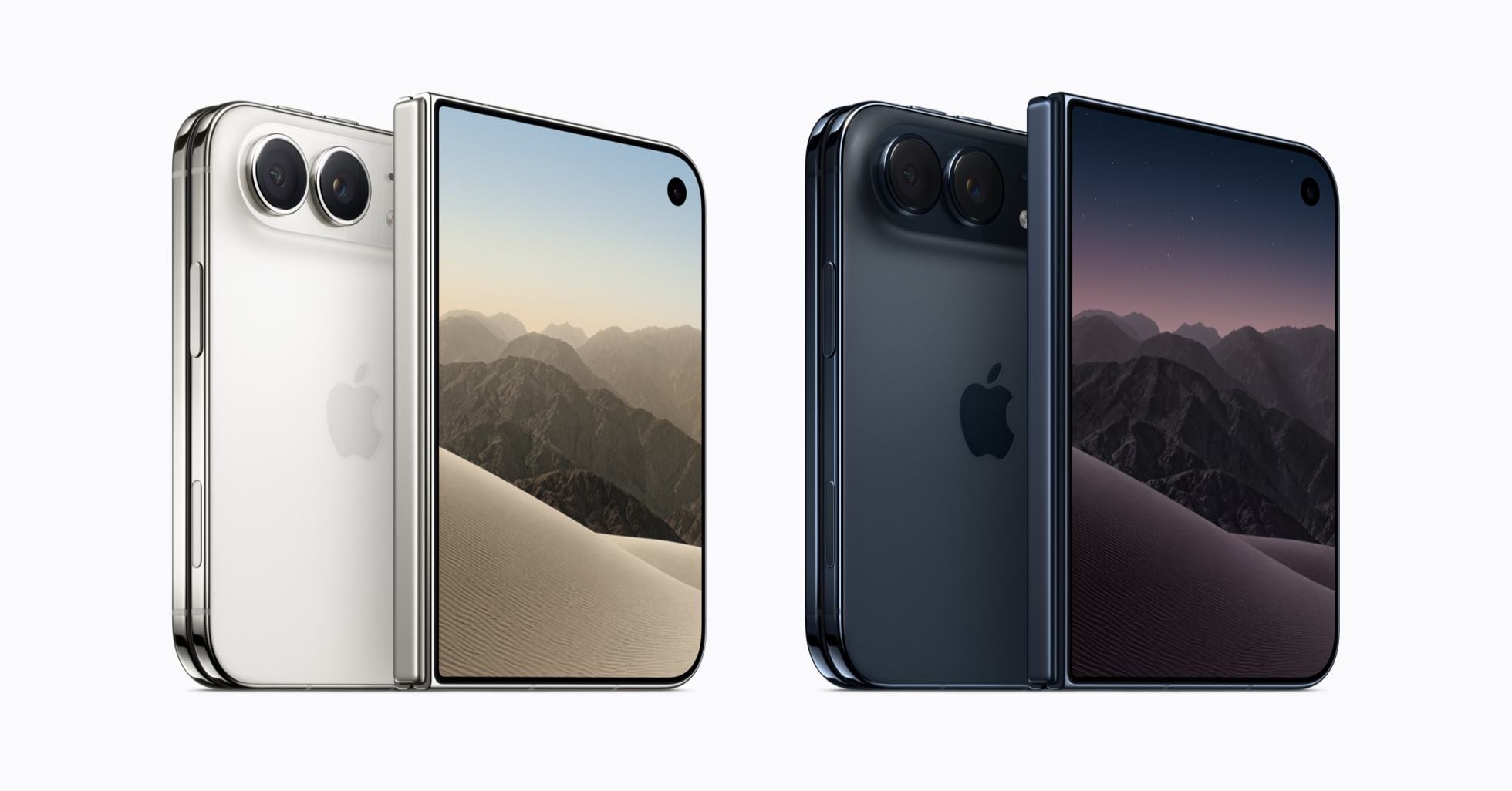
The Wait Is Over — And the Implications Go Far Beyond Japan
Apple’s first foldable smartphone, the iPhone Duo, shipped on October 23. The company entered a market Samsung Electronics has held for years, with Chinese manufacturers like OPPO already competing aggressively in the midrange. What makes this launch unusual is not just that it exists, but that Japanese media are already publishing hands-on verdicts — the kind of real-device analysis English-speaking outlets have yet to match — giving the world an early read on whether Apple’s long-delayed entry can shift the economics of the foldable segment.
Pricing That Tells a Story
The Japanese Apple Store lists the iPhone Duo at four storage tiers: 256 GB at ¥364,800, 512 GB at ¥399,800, 1 TB at ¥469,800, and 2 TB at ¥574,800. Convert those figures and you land in the $2,400 to $3,800 range — firmly in premium territory and notably above most Samsung Galaxy Z Fold models at comparable specs.
But the sticker price is only part of the equation. Japanese carriers are absorbing significant subsidies through trade-in and return programs. Rakuten Mobile’s buy-back program, for instance, brings the effective two-year cost of the 256 GB model down to approximately ¥176,504 after a ¥40,000 point rebate — cheaper than several mainstream Android flagships on the market today. au and SoftBank sit around ¥230,000 to ¥240,000 over two years, while DOCOMO’s program lands near ¥240,000. Apple’s own installment plan, free of handling charges over 36 months, reduces the 256 GB model to roughly ¥11,300 per month with a trade-in credit that can erase up to 12 payments.
This subsidy architecture matters globally. It signals that carriers are willing to accept lower per-unit margins in exchange for locking customers into multi-year contracts — a pattern that could accelerate foldable adoption beyond early adopters if replicated in other markets.
The Hardware Compromise Apple Actually Solved
Several technical choices in the iPhone Duo suggest Apple is addressing pain points that have haunted the foldable category since its inception.
The inner display measures approximately 7.6 inches and is designed around the golden ratio for both open and closed states, maintaining visual balance regardless of how the device is held. More importantly, Apple has eliminated the camera hole and notch entirely by implementing an under-display FaceTime camera. The technology remains concealed during normal use and becomes visibly apparent only when the camera is activated — a design decision that removes the most common visual distraction on competitor devices.
Thermal management, historically the Achilles’ heel of foldable phones, received what Apple describes as its first vapor chamber cooling system in a smartphone, paired with a titanium frame for structural rigidity without excessive weight. The A20 Pro chip feeds into this system, allowing sustained performance during extended gaming sessions or video editing without the throttling that has plagued earlier generations of foldable devices.
An L-shaped stand mode lets the device prop itself upright without a tripod, useful for timed video recording or hands-free calls.
Software That Actually Uses the Form Factor
The iPhone Duo’s software adapts its user interface based on the degree of fold, shifting the interactive zone toward the edges to preserve one-handed usability. When fully opened, the display area approximates the 8.3-inch Liquid Retina screen of an iPad mini, and the device supports simultaneous two-app multitasking — a capability that repositioning the phone as a potential tablet replacement for certain users.
This is the distinction that matters most. Samsung’s foldables have historically been framed as large phones that happen to unfold. The iPhone Duo appears engineered from the start as a device whose software and hardware are inseparable — a phone-tablet hybrid where the fold is central to the experience, not a gimmick layered onto a conventional smartphone interface.
Demand Already Outstripping Supply
The iPhone Duo sold out its initial allocation on launch day in Japan. Apple has imposed a two-device purchase limit and confirmed that some customers who missed the initial reservation window will face delays due to global logistics constraints. The fact that demand exceeded supply on day one — before Western reviewers had even seen the device — is a strong market signal.
Who Wins, Who Loses, and What Changes Next
Apple wins by entering late with a polished product and the pricing power to sustain premium margins even as carriers subsidize the hardware. Samsung loses market share in the high-end foldable segment in markets where Apple has distribution strength. Chinese competitors face pressure in the premium tier, though they retain advantages in price-sensitive regions.
The real shift may be in carrier behavior. The aggressive subsidy programs already visible in Japan suggest that mobile operators see foldables as a differentiator for customer retention — and they are willing to absorb costs to make them accessible. If this pattern spreads to other markets, the effective consumer price of foldable phones could drop substantially within 12 to 18 months.
For now, the iPhone Duo is a proof of concept with real commercial weight. Whether it becomes the device that normalizes foldables for mainstream consumers depends on supply chain scalability and whether the premium price point holds outside of subsidized carrier deals. Japan’s early data provides the first clear picture — and it is more encouraging than many Western analysts expected.