Apple's Siri AI Caps Signal a Paid Future for Free Features
Apple introduced daily usage caps on Siri AI and other server-side features just as the iPhone 18 launches — marking a dramatic shift from a decade of free AI access. The move raises questions about Apple's AI strategy and its willingness to monetize features long considered a core benefit of the ecosystem.
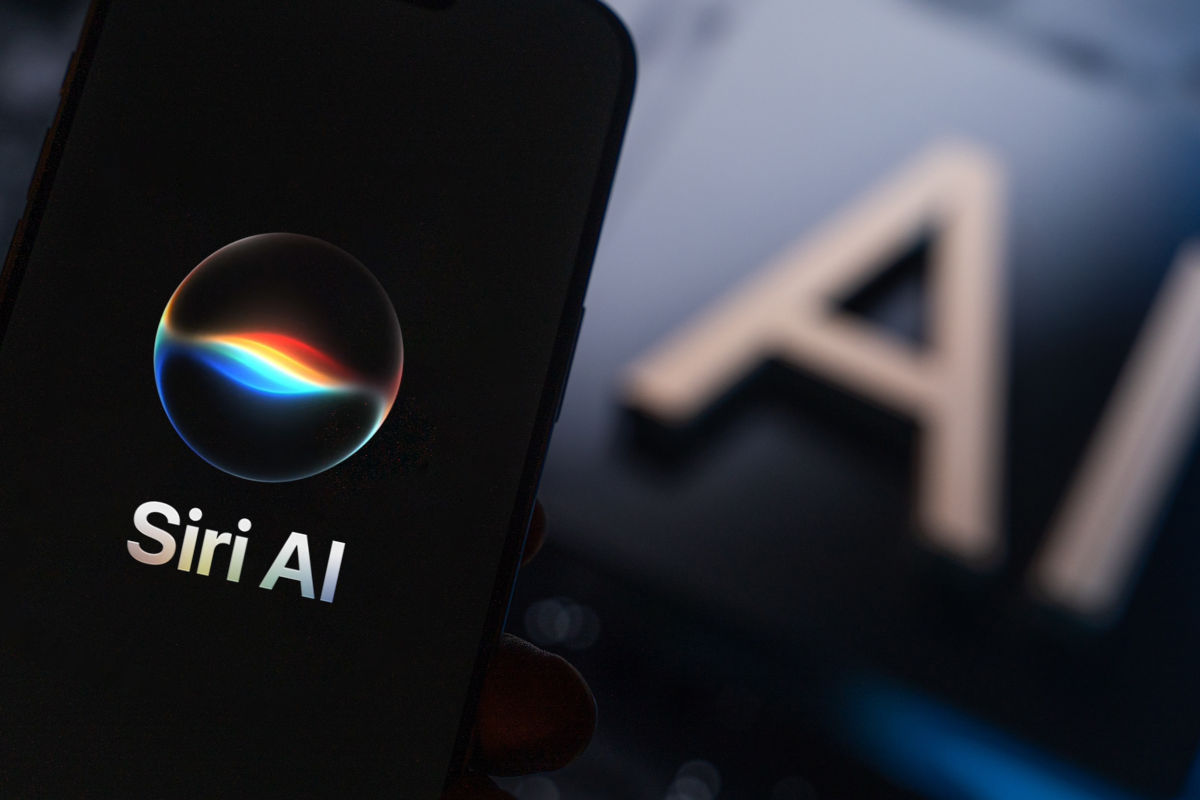
The Day Siri Stopped Being Free
Apple began offering the English-language beta of Siri AI on September 14, 2026 — the same week the iPhone 18 hit store shelves. But there is a catch. Siri AI, alongside other Apple Intelligence features that rely on server-side models like intelligent photo editing tools, Image Playground, and Shortcuts’ AFM 3 Cloud model, now operates under daily usage limits. Cross those limits and, sooner or later, you will be asked to pay.
It sounds like a modest operational detail. It is not. Apple has included Siri free of charge in every iPhone since 2011. Over fifteen years, the company built an expectation that this capability was a permanent, unconditional part of ownership. The moment Apple starts counting your requests, that social contract changes.
Why Now?
The timing deserves scrutiny. Apple chose to introduce a restriction on a flagship product launch week — not an off-season update drop, but the moment when the highest number of new and upgraded iPhone users are activating their devices. This is when people are most eager to try new features, and when any friction will generate the most visible complaints.
Apple has not disclosed the exact daily cap. It has not disclosed the price for overage or for a paid tier. The company’s own support page frames these limits as something still in the future. That gap between announcement and implementation is unusual for a product this visible.
The most plausible reading: Apple is testing whether users will tolerate caps before committing to a specific pricing architecture. The company can observe how many people hit the limit, how many complain, how many switch to competing assistants, and what the revenue per active user looks like — all without locking in a price that might alienate its installed base.
The Server-Side Problem
The features being capped share one characteristic: they run on Apple’s servers, not on the device. On-device processing uses the iPhone’s neural engine and incurs negligible marginal cost. Server-side inference does not. Every query to a large language model costs money in compute, bandwidth, and latency management.
Apple Intelligence was sold as a privacy-forward alternative to cloud-dependent rivals. Processing on-device was supposed to be the differentiator. But as Apple expanded the scope of Siri — adding reasoning, image generation, and deeper system integration — purely on-device models became insufficient. The company had to move more work to the cloud, and with that move came bills it cannot absorb indefinitely.
The caps are not a punishment for power users. They are an admission that Apple’s AI ambition outstrips its willingness to subsidize it.
What This Means for the AI Arms Race
Google, Microsoft, and OpenAI are in a race to lock users into ecosystem-specific AI experiences. Google bundles Gemini into Search and Android. Microsoft is integrating Copilot into every Office and Windows workflow. OpenAI sells access to ChatGPT as a standalone product with clear tiered pricing.
Apple’s approach has been deliberately different: keep AI inside the device, keep it free, keep it tied to hardware sales rather than software subscriptions. That strategy served the company well when AI features were lightweight. It does not serve it now that those features are expensive to run at scale.
The caps signal that Apple is prepared to abandon its old playbook. If this becomes permanent, it would represent the most significant strategic retreat in the company’s AI timeline — moving from a hardware-tethered free service toward a freemium subscription model that competes directly with the very cloud-based rivals Apple once sought to avoid.
Who Wins, Who Loses
Heavy users lose first. Photographers who rely on AI editing, developers who build Shortcuts with cloud models, and power users who depend on Siri for complex reasoning will feel the ceiling immediately. Apple’s own support notes that hitting the daily limit blocks access for a set recovery period — a deliberate throttle, not a soft suggestion.
Apple wins marginally in the near term. Even a small per-user fee from a base of hundreds of millions of active iPhones translates into hundreds of millions of dollars annually from a feature the company already built. Server-side AI margins can be high if the user base is large enough and the price point is low enough. The math works in Apple’s favor if adoption holds.
Competitors win the most. Every user who hits the Siri cap and looks for an alternative is a potential conversion to ChatGPT Plus, Gemini Advanced, or Copilot Pro. Apple is effectively offering its own users a reason to explore options it has spent a decade telling them not to need.
The Japanese Angle
Forbes Japan reports that Siri AI’s Japanese-language beta is scheduled to begin in October 2026, though no exact launch date has been announced. Japan is one of Apple’s most important markets outside the United States, and one where AI adoption has moved more slowly than in the U.S. or China. Japanese enterprise culture tends to favor established tools, and the average smartphone user更换 rate is lower than in Western markets.
Introducing caps in Japan could face unique resistance. Japanese consumers tend to expect high-quality service as a bundled benefit, not as an add-on purchase. The expectation that a $1,000 phone should include full functionality — not partial functionality behind a usage wall — is particularly strong. If Apple rolls out paid tiers in Japan without adjusting for local expectations, it risks alienating one of its most loyal customer bases.
What Comes Next
Apple has not said whether the caps are temporary or permanent. The company has not said what the pricing will be. It has not said whether on-device features will remain free while server-side ones become paid — a distinction that would further split the Apple Intelligence experience into two classes of capability.
What is clear is that the era of无条件 AI access on iPhone is over. Apple is moving from a model where AI was a loss leader for hardware to one where AI itself becomes a revenue stream. That transition will test the loyalty of the very users who have kept Apple dominant through multiple cycles of competitive pressure.
The iPhone 18 launched this week. Siri AI launched alongside it. Somewhere between those two announcements sits a company that is no longer sure it can afford to give everything away.