Apple's Smart Home Hub Is a Bet on the Future of Your Home
Apple's rumored October 13 event could unveil a smart home hub that marks its most serious push into IoT yet. But dominating the fragmented smart home market requires more than great design.
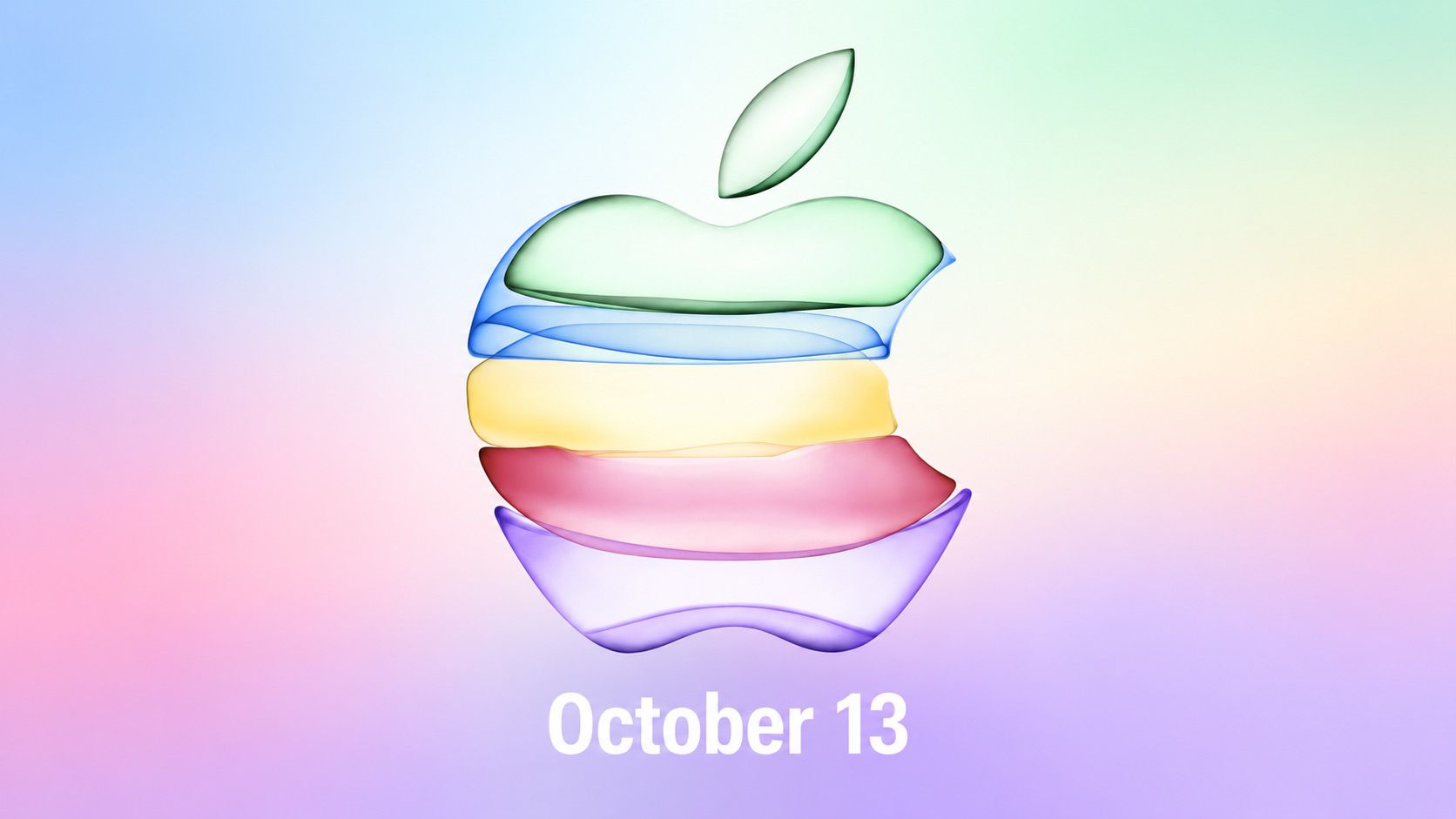
The October 13 Event Isn’t Just Another Apple Product Launch
Mark Gurman reported that Apple plans to unveil a smart home hub, a second-generation HomePod mini, and a new Apple TV 4K model on Tuesday, October 13. John Gruber flagged the date first, speculating that review units for the iPhone Duo might go out to press on the same day. What makes this convergence worth paying attention to is not the hardware itself but the shape of the event.
Gruber noted that Apple would not simply drop the home hub on Newsroom and call it a day. It is an all-new category for the company. Unveiling it without a keynote video and hands-on demos would be a mistake. That suggests Apple is treating this device as a genuine platform moment, not a minor iteration.
If the rumors hold, the event will follow the same pattern Apple used in October 2023: an online-only keynote streamed on Apple’s website and YouTube, followed by a media hands-on session later that day. Review units for high-profile products like the iPhone Duo are expected to be distributed at that hands-on, sidestepping the risk of prototypes getting lost in the mail before a Friday launch.
The logistics are clean. The question is whether Apple is building a product that matters outside its own walled garden.
Apple’s Smart Home Ambition Has Always Been Incremental
HomeKit launched in 2014. It was correct in philosophy and late to execution. For over a decade, Apple has been trying to convince the smart home market to behave like Apple’s other categories: secure, private, and interoperable. The market has mostly ignored the invitation.
Amazon Alexa, Google Home, and Samsung SmartThings dominate by volume. They support cheap devices from hundreds of manufacturers. Their ecosystems are open in the worst way: fragmented, insecure, and dependent on cloud connectivity. Apple’s HomeKit has been the polite alternative — reliable, but niche. Most smart home users have simply not needed it.
The smart home hub is a new category for Apple. It is not a HomePod with better software, nor is it an iPhone functioning as a router. A dedicated hub would sit at the center of a home network and manage communication between devices, likely supporting multiple protocols beyond Thread and Matter. That is a fundamentally different product than anything Apple has released in this space.
The question is whether Apple can move the market from its current fragmented state toward something coherent.
The Real Bet Is a Unified Ecosystem Standard
The smart home market is trapped in a coordination problem. Manufacturers build devices for competing platforms. Consumers buy what works with what they already own. No one can agree on a standard. The result is a market full of devices that cannot talk to each other reliably.
Matter was supposed to solve this. Released in 2022 and expanded since, Matter is an open standard backed by the Connectivity Standards Alliance. It works across Apple, Google, Amazon, and Samsung. Theoretically, any Matter-compatible device should work with any Matter-compatible hub. In practice, adoption has been uneven. Many manufacturers ship Matter devices with significant restrictions. The standard remains a set of aspirations rather than a guarantee of interoperability.
A dedicated Apple hub would represent a significant step beyond Matter. It could enforce stricter security requirements, prioritize local processing over cloud dependency, and demand compliance from manufacturers in ways Matter does not. Apple has always positioned itself as a champion of privacy and local-first computing. The smart home hub would bring that philosophy into the one category where cloud dependency is still the norm.
Whether manufacturers will comply is another question. Apple has historically used its influence to shape standards, not simply join them. The home hub would be the strongest signal yet that Apple intends to lead rather than follow in IoT.
Who Wins and Who Loses From This Move
If Apple launches a compelling hub, the winners are consumers who want security and simplicity. The losers are manufacturers who rely on cheap, cloud-dependent devices. Amazon and Google lose in a different way: their platforms become less essential if a single Apple device can coordinate everything.
Apple itself wins only if the hub sells in meaningful volumes. The company has invested heavily in HomeKit over the years and has not seen the returns justify the effort. A new category changes the calculus only if consumers adopt it at scale. If the hub remains a niche product for existing HomeKit users, Apple has simply expanded its walled garden without affecting the market.
The second-generation HomePod mini and the new Apple TV 4K are incremental upgrades. They are safe products that reinforce existing ecosystems. The hub is the risk. It is the product that could define Apple’s role in the smart home for the next decade.
What Happens Next
Apple is expected to announce the October 13 event by next week. If the rumors are accurate, the company will reveal whether the smart home hub is a genuine platform play or another iteration in a space Apple has struggled to dominate.
The outcome matters beyond Cupertino. The smart home market remains one of the most fragmented categories in consumer technology. A successful Apple hub could accelerate the transition to local-first, privacy-focused IoT. A failure would reinforce the assumption that Apple belongs only in products consumers already want.
The timing of the iPhone Duo review distribution adds another layer. Apple appears to be using the event as a coordinated rollout for its most important launches of the year. That strategy works only if the products merit the attention. The smart home hub is the one device that could deliver it.
October 13 may look like just another Apple event. It could also mark the company’s most ambitious attempt yet to fix a market that has resisted fixing itself.