Japan's $150B AI Data Center Signals a New Energy Play
A $150-billion AI data center inside a Chiba power plant marks the first move in a JERA-Dell-RHAELM alliance. The play isn't just compute — it's energy companies becoming the new AI infrastructure landlords.
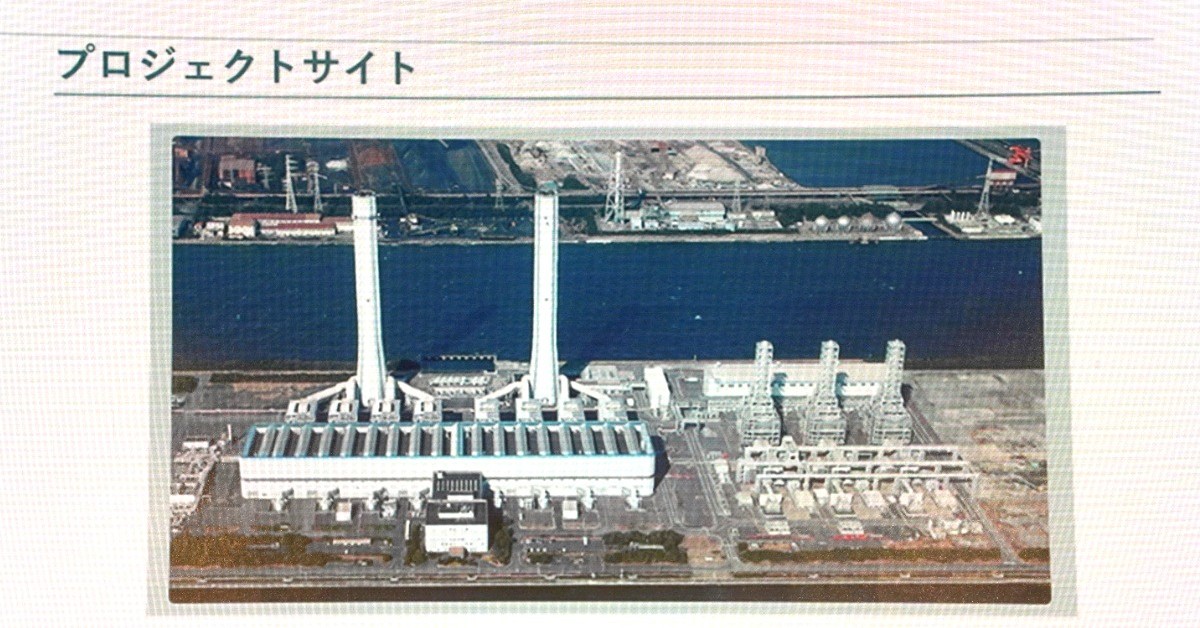
The most interesting thing about Japan’s new AI data center isn’t the AI.
It’s the power plant sitting underneath it.
On October 1, JERA — Japan’s largest power generator, born from the merger of Tokyo Gas and Mitsubishi Power — announced it would build a data center inside its existing Chiba Thermal Power Plant. The project, a joint venture with Dell Technologies and UK-based RHAELM, carries a price tag of at least 150 billion dollars, roughly 2.3 trillion yen, and aims to begin operations around 2028. The facility will draw up to 400,000 kilowatts of power, making it the single largest data center site in Japan and, excluding China, the biggest AI infrastructure project anywhere in Asia.
But the headline number obscures the real story. This is not a tech company building a data center and then shopping for electricity. This is a utility company converting a fossil fuel plant into an AI compute hub — and inviting Dell and a project management firm to come along for the ride.
Why the location matters more than the budget
Building a data center inside an operating thermal power plant is an unusual choice, and that’s the point. Data centers die without power. The single biggest constraint on AI infrastructure expansion worldwide is not chips, not real estate, not even cooling — it’s getting enough electricity from the grid. A facility co-located with a power plant sidesteps that bottleneck entirely. It has generation, transmission, and likely steam or exhaust infrastructure already in place.
Chiba is also strategically positioned. It sits within the Tokyo metropolitan region, close to the customers who will buy the compute — cloud providers, AI startups, research labs, enterprise AI divisions. Japan’s grid is strained. Power curtailments and waiting lists for new connections are common in the Kanto region. By piggybacking on JERA’s existing infrastructure, the project skips years of grid interconnection delays that have become the defining friction in the global AI buildout.
The three-company alliance is a signal, not just a partnership
JERA brings fuel supply chains — it is one of the world’s largest LNG traders — and the power generation assets themselves. Dell brings the Dell AI Factory framework, a standardized stack for deploying AI servers and software at scale. RHAELM, a UK-headquartered firm that plans, develops, and operates AI infrastructure projects across Europe and Asia, will run the whole thing — securing funding, finding customers, managing construction and operations.
RHAELM’s Japanese CEO Masaaki Okada called it a “dream team” in the announcement. That’s marketing language, but the structure behind it is deliberate. Each partner controls a layer that has historically been siloed: energy, hardware, and project execution. No single company in Japan — or arguably anywhere — owns all three.
The memorandum signed alongside the announcement frames this as Project No. 1. The intent, stated plainly, is to replicate the model across multiple sites and reach a scale of several million kilowatts of AI compute capacity in Japan by the 2030s. That number is enormous. For context, the entire nation’s data center footprint today is measured in the low hundreds of thousands of megawatts. Several million kilowatts would be a fundamental shift in Japan’s energy and technology landscape.
Who wins, who loses
JERA wins the most obvious play. The company is a traditional utility caught in the long squeeze between aging fossil fuel plants, decarbonization mandates, and flat or declining domestic electricity demand. Converting part of a thermal plant into an AI data center extends the economic life of that asset while positioning the company as an infrastructure provider for the next decade’s growth sector. It is a pivot from selling electrons to selling compute.
Dell wins a foothold in a market it has been chasing. The US company has been pushing its AI Factory platform globally, and Japan represents one of the few large markets where a Western hardware vendor still faces steep competition from domestic players like Fujitsu and Hitachi. Landing the first national-scale AI infrastructure project gives Dell a reference design to sell elsewhere in Asia.
RHAELM wins its first Japanese project and a beachhead in what could become its most important market. The firm has operated in Europe and parts of Asia, but Japan’s scale and the involvement of a utility the size of JERA represent a tier above its previous work.
The losers are less immediate but real. Japanese utilities that do not move similarly risk becoming pure commodity distributors while competitors capture the value layer above the wire. Regional grids that cannot accommodate the kind of power demands this project models will face growing pressure. And domestic hardware vendors who are excluded from the alliance will watch a standardized foreign stack become the default for the country’s largest AI infrastructure.
What happens next
The 2028 target date is ambitious. Data center construction of this scale typically faces permitting delays, community opposition, and grid upgrade timelines that rarely line up with announced schedules. JERA’s decision to build inside an existing plant rather than on greenfield land improves the odds, but 400 megawatts is not a trivial load to integrate even with on-site generation support.
The more important question is whether the JERA-Dell-RHAELM model replicates. If Project No. 1 succeeds, the memorandum calls for multiple additional sites. That would mean a wave of utility-led AI data centers across Japan — each one converting or co-locating with existing power infrastructure. It would also mean energy companies, not cloud providers or chip firms, becoming the dominant landlords of AI infrastructure in one of the world’s largest economies.
Globally, the pattern is already visible. Google is buying nuclear reactor output. Microsoft is negotiating directly with fusion startups. Equinor is converting offshore oil platforms into data centers. Japan’s approach is distinct in its scale and its explicit utility leadership, but the direction is the same: whoever controls the power controls the AI buildout.
The 2.3 trillion yen figure is large, but it is really a down payment on a much bigger bet. Japan is testing whether an energy company can become an AI infrastructure company — and whether that model can scale fast enough to keep the country relevant in the next phase of global computing.