Apple's Touchscreen MacBook Changes Everything — For Everyone
Apple's first touchscreen MacBook Pro arrives November 6 with OLED displays and touch-optimized software. The move forces Microsoft and Android into reactive positions and signals a fundamental shift in how laptops will compete.
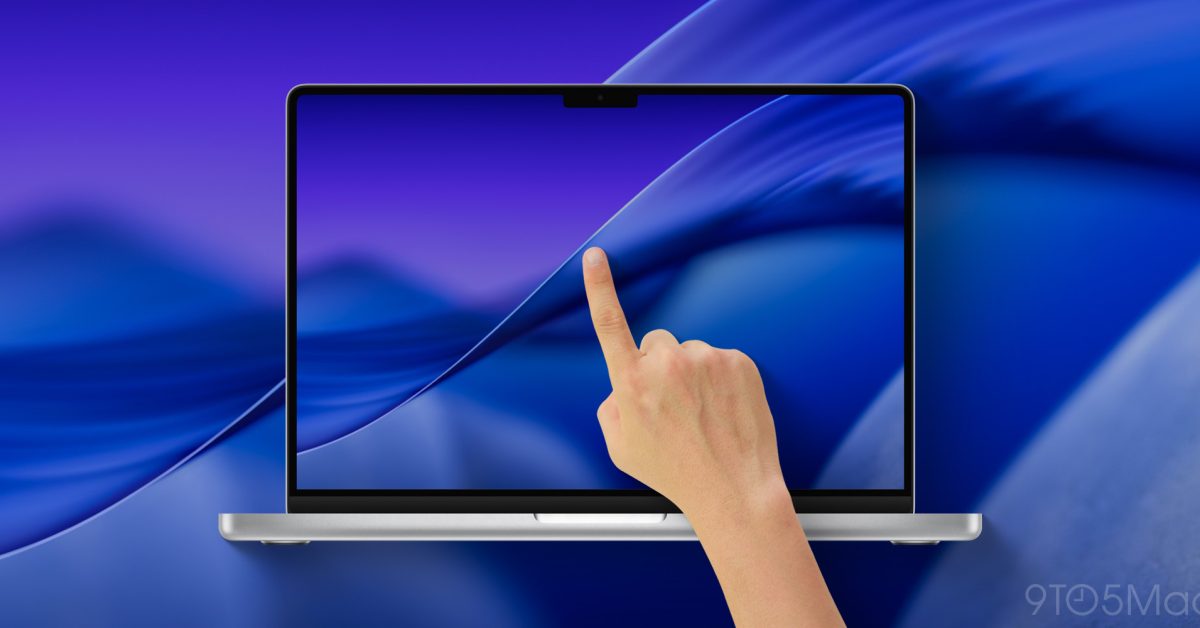
The Touchscreen Mac Arrives After 13 Years of Resistance
Apple is introducing its first touchscreen MacBook Pro on November 6, ending more than a decade of deliberate resistance to a feature that has become standard on virtually every competing laptop category. The announcement follows a cascade of leaks and software breadcrumbs — macOS 27 already includes pull-to-refresh gestures, touch-optimized Sidecar, and enlarged menu bar targets. These were not accidental. They were preparation.
What makes this moment significant extends far beyond Apple’s own product line. The company’s embrace of touch input on the Mac represents a structural shift in how the laptop market will compete for the next five years, and it forces Microsoft and Android manufacturers into a defensive posture they have not occupied since the late 2010s.
Why the Delay Matters More Than the Feature Itself
Apple’s refusal to add touch to the Mac was always framed as a design principle. Steve Jobs called it unnecessary. Tim Cook maintained that the keyboard and trackpad provided a superior experience. The company built an entire ecosystem around precise cursor control, gesture-based navigation, and keyboard shortcuts as the primary interaction model. Touch felt like a compromise to a company that sold perfection.
That stance makes sense in retrospect as a brand strategy, not a product truth. The rest of the industry moved on. Windows laptops adopted touch screens from 2012 onward. Chromebooks added them in droves. Android-powered 2-in-1s became a $20 billion segment by 2024. The Mac remained the only major laptop category where touch was treated as a second-class feature, actively discouraged by software design.
By the time Apple relented, the competitive gap had narrowed to something manageable. The Tandem OLED display, the software layer in macOS 27, and the M5 Pro and M5 Max chips give the new MacBook Pro enough differentiation to enter the touch-laptop conversation without ceding its professional identity. The question is whether that entry changes the trajectory of the entire market.
What Competitors Are Facing Right Now
Microsoft launched Windows 11 with touch-first design principles, yet conversion rates remain frustratingly low. Touch input on Windows laptops feels inconsistent because the platform was never designed for it. Apple is now entering that same territory with a system that was built around touch from the ground up — or at least from macOS 27’s earliest development cycles.
The software optimizations Bloomberg’s Mark Gurman described suggest Apple is taking this seriously. When you touch a button, the interface surfaces a contextual menu around your finger rather than forcing you to use a cursor. Previously interacted items surface as preferred controls. Menu bar taps enlarge targets automatically. These are not afterthoughts. They represent a fundamental rethinking of how macOS organizes information for a touch-native workflow.
For Dell, HP, Lenovo, and Asus — the companies that have been selling touch laptops to Windows and ChromeOS users for years — Apple’s entry introduces a new competitive variable. These companies now face a rival with a display technology (Tandem OLED) that outperforms their standard IPS or single-layer OLED panels, combined with a software layer that treats touch as a first-class input rather than an optional mode.
Samsung and Google have already moved in this direction with the Galaxy Book series and Pixelbook lines. But Apple’s brand gravity in the professional and creative segments is unmatched. A MacBook Pro with touch may not convert Windows users at scale overnight, but it shifts the ceiling of what professionals expect from a laptop display.
The Hardware That Makes This Possible
The Tandem OLED display stacks two OLED panels to achieve brightness levels and color accuracy that single-layer panels cannot match. Apple introduced this technology in the 12.9-inch iPad Pro and has refined it through three generations. The MacBook Pro version will likely bring similar specifications to a 14-inch and 16-inch form factor, with peak brightness figures that exceed most Windows touch laptops currently available.
Dynamic Island will appear on the MacBook Pro as well, though in a condensed form compared to the iPhone implementation. Face ID support is absent, which may disappoint some users but keeps the pricing structure below the premium tier that iPad Pro commands.
The M5 Pro and M5 Max chips replace what was initially expected to be an M6 launch. Apple is skipping the M6 generation to accelerate M7, the company’s first 2nm process chip. That means the November 6 MacBook Pro will not feature the most advanced silicon Apple can produce, but it will still offer performance that outclasses most Windows laptops in its class. A base-model MacBook Pro with M7 is rumored for spring 2027.
The chassis will be thinner and significantly lighter, though the exact weight reduction remains unspecified. The last MacBook Pro iteration was criticized for being bulky, so even modest improvements will generate positive reactions from buyers who prioritize portability.
What This Means for the Market
The immediate impact is on Apple’s own revenue mix. MacBook Pro sales have been plateauing. Touch functionality adds a compelling upgrade reason for existing Mac users who want a tablet-like experience alongside their traditional laptop workflow. It also opens the door for creative professionals who have been waiting for a MacBook that matches the iPad Pro’s interaction model.
On the broader market, the introduction of a premium touch laptop from Apple forces every competitor to articulate why their offering is different. Windows laptops will face pressure to improve touch software consistency. Android laptops will need to justify their existence when Apple enters the same space with superior integration. Chromebooks will lose ground in the education and enterprise segments where touch usability matters.
The November 6 launch fits into a pattern Apple has established this year: iPhone Duo, HomePod mini 2, MacBook Pro, and HomeView with Apple TV 4K arriving in rapid succession. The company is using product momentum to dominate retail shelf space and consumer attention during the critical holiday quarter.
Retail reset preparations on November 5 confirm Apple is treating this as a major launch event, not a quiet update. New signage, new product tables, and new promotional materials will shape how consumers encounter the MacBook Pro in physical stores for the first time.
The Real Competition Starts Next Year
The M7-powered base model in spring 2027 will be the true benchmark for how far Apple intends to push this category. If that machine maintains the same display and touch quality at a lower price point, the MacBook Pro could capture a significant share of the premium laptop market that has traditionally belonged to Dell XPS, HP Spectre, and Lenovo ThinkPad X1 lines.
Microsoft’s response will determine whether Windows retains relevance in the touch-laptop segment or becomes a secondary platform for consumers who prioritize other features. The answer matters beyond Apple’s ecosystem. If Windows fails to adapt, the entire PC market loses a major differentiation point against macOS.
The 13-year delay was not a mistake. It was a calculated position that kept the Mac focused on its core strength. But positions change when the market shifts around them. Apple’s touchscreen MacBook Pro is not just a new product. It is a signal that the company sees the laptop market heading in a direction it previously refused to acknowledge. The question now is whether competitors will follow or be left behind.