Apple's Post-Cook Era: Why Turners Is the Right Hired Gun
Tim Cook's 15-year CEO reign ends as hardware engineer John Turners takes the helm. The question isn't whether Apple survives the transition—it does. The question is whether Turners can close the AI gap before it's too late.
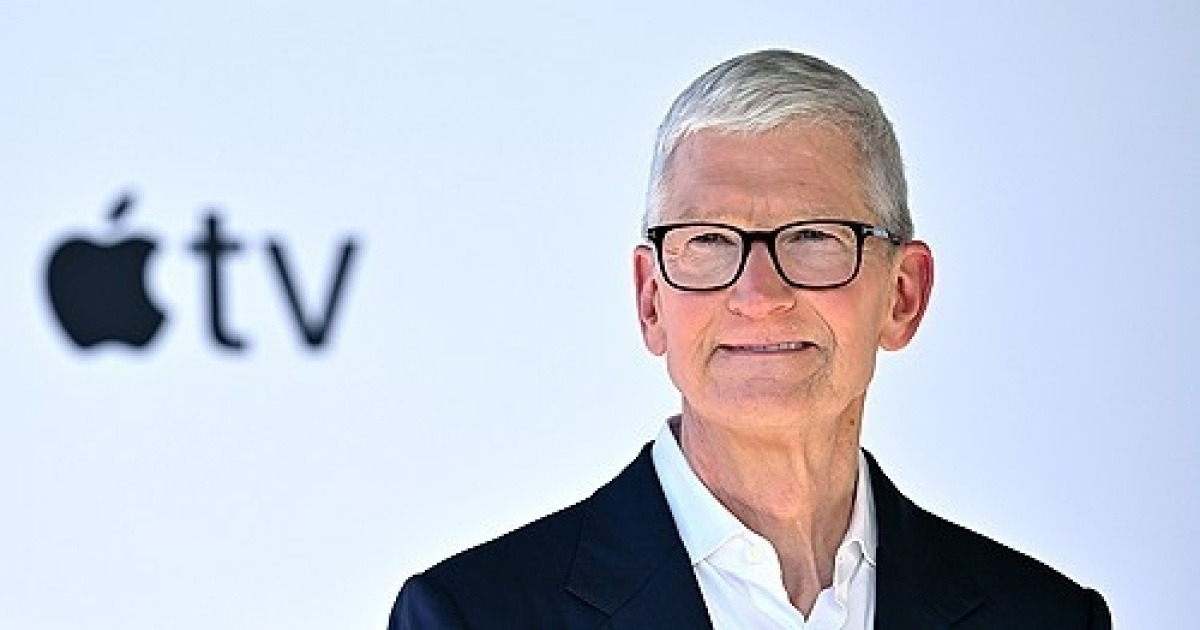
The First CEO Transition in Apple’s Modern Era
Tim Cook is stepping down. Not quietly, not with fanfare, but with the same logistical precision he has applied to everything else at Apple for the past 15 years. His announcement came via X on August 31, a single post that would have sent shockwaves through markets if it had happened at any other company. At Apple, it is simply Tuesday.
Cook called it a privilege. He called the new CEO John Turners outstanding, excellent, and capable. He said he is completely at peace with the decision. He will remain as executive chair of the board, handling government and policy relations—a role that matters more than it sounds, given the regulatory headwinds Apple faces in the EU and the ongoing antitrust scrutiny in Washington.
What Cook leaves behind is a company worth $4.6 trillion, up from roughly $350 billion when he took the helm in 2011. That is a tenfold increase. No one should romanticize the Steve Jobs era into a golden age of leadership—Apple was struggling for direction before Cook arrived. What Cook built is undeniable: an operational machine that turns hardware, software, and services into a single revenue engine.
Who Is John Turners?
Turners is not a marketing figure. He is not a philosopher-king like Jobs, nor a supply-chain savant like Cook. He is a hardware engineer who graduated from the University of Pennsylvania with a degree in mechanical engineering, joined Apple in 2001, and climbed the ranks through the hardware engineering division.
That makes him the right person for the moment. Apple does not need a visionary storyteller right now. It needs someone who understands that the next battleground is silicon, sensors, and the physical products that sit in people’s pockets and on their wrists.
Turners will have his first public test on September 9, when Apple is expected to unveil its latest lineup. The keynotes have always been Phil Schiller’s domain; Bloomberg reports that Schiller is also stepping down from his role overseeing the App Store and major events. This is a generational change, not a single departure.
The AI Gap That Won’t Fix Itself
The biggest unresolved question at Apple is artificial intelligence. Google has Gemini baked into its search and Android ecosystem. Microsoft is pushing Copilot across every product line. Amazon is embedding Alexa-like intelligence into devices and cloud services. Apple’s AI strategy has been deliberate, incremental, and increasingly late.
Turners inherited this gap. Hardware engineers do not typically lead AI transformations. But Turners does not need to be an AI researcher—he needs to make decisions about where Apple invests in compute, which partnerships it pursues, and whether to accelerate on-device processing or cloud-dependent models. The architecture choices Apple makes over the next 18 months will define whether its AI plays catch-up or cedes the category entirely.
The September event will be revealing. What features does Apple choose to showcase? Does it talk about intelligence, or does it talk about cameras and battery life? The answer tells you what Turners thinks the company’s competitive advantage actually is.
Supply Chains Under Pressure
There is another challenge that deserves more attention than it receives: the supply chain. Donald Trump’s administration has made its position clear—Apple, like every other major American technology company, is expected to reduce its dependence on China. The timeline is vague. The pressure is real.
Cook spent years building a dual-source strategy, shifting some production to India and Vietnam while keeping the bulk of high-volume iPhone manufacturing in China. Turners inherits that portfolio and the expectation that it will need to move faster, even as China-based suppliers push back and demand guarantees.
This is not just a geopolitical issue. It is an engineering one. New factories take time. New suppliers require qualification. Apple’s margins depend on scale, and scale depends on supply chain density. Every month of disruption eats into profitability in ways the market may not price in immediately.
Who Wins, Who Loses
Who wins: Turners himself, if he stabilizes the transition and ships a coherent product lineup in 2027. The Apple board, which gets a leader with deep hardware credentials at a moment when chip design and device integration are becoming the primary differentiators. Suppliers in India and Vietnam, who stand to gain from accelerated diversification—if Apple can execute the shift without major yield losses.
Who loses: Anyone betting that Apple will lag significantly on AI in 2027. The gap is real and widening. Samsung and Google are already shipping models that outperform Apple’s current offerings in speed and capability. If Turners does not accelerate, Apple risks becoming a hardware company with inferior software intelligence—a dangerous position at a premium price point.
Who is uncertain: The employees. Leadership transitions at Apple are rarely clean. Schiller’s departure signals that more changes are coming. The cultural shift from Cook’s consensus-driven management to Turners’ engineering-first approach will reshape internal dynamics, and not everyone will adapt well.
What Happens Next
Cook’s tenure will be studied for decades. He turned Apple into the world’s most valuable company without sacrificing its design standards or its walled-garden economics. He navigated the COVID pandemic, the China trade tensions, and the rise of antitrust regulation with a steady hand.
But the next chapter belongs to Turners, and the challenges are qualitatively different. AI execution, supply chain reconfiguration, and competitive pressure from companies that are moving faster on both fronts require a leader who can make hard calls quickly. Turners has the engineering credibility to earn respect from Apple’s product teams. Whether he has the strategic urgency to close gaps that have been growing for years remains the open question.
The September 9 event will be Turners’ debut. Watch for what he emphasizes—and what he avoids. The answers are already telling.