Charlie Kirk Assassination Trial Tests Democratic Fractures
The July 2028 murder trial of Tyler Robinson, accused of killing conservative pundit Charlie Kirk, becomes a crucible for America’s政治 violence norms, media polarization, and electoral strategy.
The Clock Starts Ticking on a National Stress Test
July 2028 arrives not as a routine docket assignment but as a deadline for America’s nervous system. Judge Tony Graf of Utah District Court has set jury selection for 21 June and a full trial for early July in the case against Tyler Robinson, the 23‑year‑old charged with murdering conservative commentator Charlie Kirk. The ruling resolves a five‑month tug‑of‑war between defense lawyers wanting until January 2029 and Erika Kirk pushing for an October 2027 verdict. The compromise date sits squarely inside the 2028 general‑election cycle—a placement that transforms a criminal proceeding into a live referendum on the country’s capacity to process political violence.
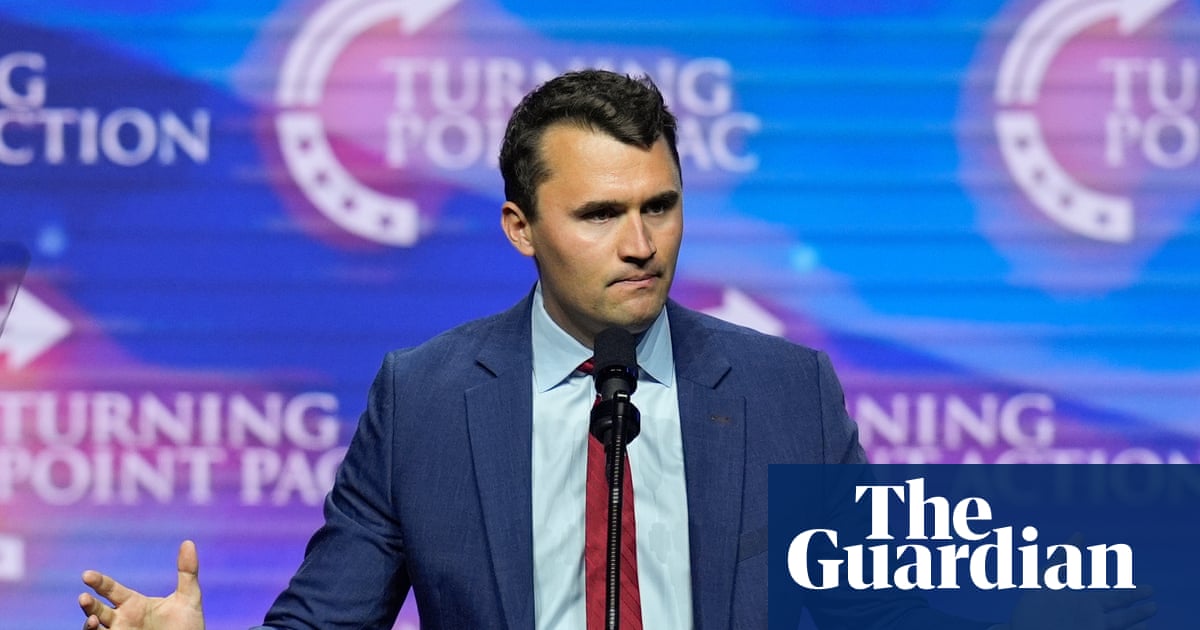
Internationally, Charlie Kirk may be less familiar than figures like Donald Trump or Ted Cruz, but his influence extends far beyond border checks. As founder of Turning Point USA, he built a pipeline for campus activism that mirrors the anti‑woke movements sweeping Europe and Latin America. His signature event—the unscripted debate with ideological rivals—has been streamed to millions worldwide, shaping a generation of young conservatives. Killing him does not merely eliminate a personality; it attacks a distribution network that operates across six continents.
The Body on the Rooftop, the Words in the Dark
Prosecutors say the shooting happened last September on a Utah Valley University rooftop. Robinson perched above the crowd and fired into Kirk, who was mid‑debate with student opponents. Before turning himself in, Robinson reportedly told police he targeted Kirk specifically because of his vocal criticism of gay rights—a motive that frames this as both a personal grievance and an ideological strike.
The evidence package is unusual. A redacted video from a preliminary hearing features Lance Twiggs, Robinson’s former roommate, recounting that Robinson said, “He wishes he hadn’t done it.” That statement, delivered months after the crime, walks the line between remorse and performance. Forensic experts found Kirk’s DNA on a towel wrapped around the gun, but Robinson’s attorneys plan to challenge the chain‑of‑custody protocols and the reliability of the sample.
Witness‑tampering charges add another layer. Prosecutors allege Robinson instructed his current roommate to delete incriminating texts and refuse cooperation. If proven, those acts suggest a defendant aware of the political gravity attached to his crime—and determined to control the narrative before the trial begins.
Timing as Strategy
Why the fight over dates matters more than most observers realize. In a case destined to draw national attention, every delay allows the story to mutate. Defenders of a slower timeline point to the sheer volume of evidence—ballistics, digital footprints, witness interviews—and argue that rushed preparations risk appellate reversals. Supporters of a fast track cite the trauma of a grieving widow and the public interest in a swift reckoning.
Donald Trump joined the chorus in late November, demanding the trial occur “within a month” and accusing Judge Graf of “desecrating the memory of the Great Charlie Kirk.” That intervention illustrates a second fracture: the erosion of judicial insulation from executive pressure. A sitting former president publicly questioning a state judge’s competence sends a signal that legal outcomes may be judged through partisan optics rather than procedural fairness.
For international readers accustomed to systems where executives defer to judiciaries in high‑profile cases, this dynamic is neither normal nor harmless. It marks a shift toward treating courts as arenas for political score‑settling.
The Media’s Fault Lines
Coverage of the case already divides along predictable channels. Mainstream outlets emphasize the constitutional question of whether campus violence constitutes domestic terrorism. Conservative broadcasters frame Robinson as a symptom of left‑wing radicalization that has festered unchecked on university campuses. Progressive commentary highlights the historical pattern of assassinations aimed at silencing activists. Each narrative serves a different coalition.
This fragmentation creates a feedback loop: the trial becomes less an investigation into one man’s actions than a battleground for competing origin stories about American decline. Viewers absorb not just facts but worldviews, which hardens attitudes long before opening statements begin.
Electoral Calculus Arrives Early
Politicians cannot ignore a murder that occurred near a college town during an open‑access debate. By July 2028, several presidential candidates will have staked positions on “campus safety,” “free speech,” and “justice system reform” all while referencing the Kirk case. Lawmakers in swing states may adjust campaign schedules to attend hearings or hold rallies outside courthouses. Fundraising emails will arrive with titles like “Will They Let a Killer Walk?” or “When Will Congress Protect Speakers?”
The 2028 ticket could face a unique dilemma: condemn Robinson’s ideology while refusing to let his crime define the party’s platform. Doing so requires rhetorical discipline that has been scarce since 2016. Failure to maintain that balance risks validating Robinson’s implicit argument—that the system only responds when a conservative figure falls victim.
Precedent for Protest and Threat
Legally, the case touches on questions that extend well beyond aggravated murder. How courts treat threats made online before an attack will inform future prosecutions of agitators. If prosecutors successfully link Robinson’s social‑media posts to the planning phase, they establish a blueprint for charging would‑be assassins under existing terrorism statutes. If not, advocates for defendants may argue that vague hostility cannot substitute for concrete conspiracy.
Another precedent involves the death penalty. Utah allows capital punishment for aggravated murder, and the Robinson prosecution has signaled it will seek the ultimate sanction. Whether a jury imposes it—especially in a politically charged atmosphere—will shape execution rates nationwide and invite renewed debate over racial and geographic disparities in sentencing.
What the World Watches For
European democracies facing similar culture wars pay close attention to American judicial procedures. They track how juries are selected in a state where the population skews Mormon and conservative. They monitor whether expert witnesses on extremist ideologies face cross‑examination that delegitimizes their testimony. They note if bail decisions or pretrial publicity rulings tilt the playing field.
Authoritarian regimes take a different lesson: they observe how easily a single act of violence can mobilize millions of supporters and distract policy makers for years. The Kirk case demonstrates that assassination remains a potent tool for destabilizing pluralistic societies—even when the perpetrator is immediately apprehended.
The Human Stakes Behind the Headlines
Erika Kirk’s public advocacy for an expedited trial reflects more than grief. It signals a strategic calculation that delayed justice fuels conspiracy theories and perpetuates fear among conservatives. Tyler Robinson’s family, meanwhile, faces the stigma of association with a political murder—an everyday reality for relatives of individuals whose crimes carry ideological weight.
No verdict will fully address the structural conditions that produced this moment. Campus environments that reward confrontational debate often lack adequate security. Online echo chambers amplify resentment without offering exit ramps. Political leaders who profit from anger have little incentive to reduce its voltage.
What the July 2028 trial can determine is whether the institutions tasked with evaluating guilt can remain credible when everyone believes the outcome is predetermined. A fair process that delivers a reasoned verdict—even if unpopular with parts of the electorate—reins in the impulse toward vigilante justice. A rushed or biased proceeding, however, hands ammunition to those who claim the system is irredeemably corrupted.
The Verdict Will Echo Beyond Utah
The next two years will see documentaries, books, and congressional hearings dissecting every aspect of the investigation. Law schools will use the case to teach evidence handling in high‑visibility prosecutions. Political scientists will code-shift patterns in donation spikes following court filings. International relations scholars will analyze how foreign governments interpret the American response as a gauge of democratic stability.
None of these downstream effects will alter the fact that one man stands accused of ending another man’s life on a university rooftop. Yet the broader meaning lies exactly there: in the choice to process such a rupture through law rather than retribution.
If the Robinson trial achieves even partial consensus on factual findings, it provides a model for surviving political violence without abandoning rule‑of‑law norms. If it instead becomes another cultural flashpoint that deepens mistrust, the warning signs will reach far beyond Salt Lake City.
Either way, July 2028 will not simply mark the beginning of a murder trial. It will reveal how brittle—or how resilient—the United States remains when its most vocal combatants turn lethal.