China Uses Trilateral Summit to Signal at Japan
Beijing's framing of a potential Trump-Xi-Putin meeting around anti-fascist history is an indirect jab at Tokyo. What Western coverage misses is how Japan becomes a pawn in great-power diplomacy.
China Is Rewriting the Postwar Ledger — and Japan Isn’t at the Table
China’s foreign ministry didn’t just describe an upcoming US-China-Russia summit. It rewritten the moral framework around it.
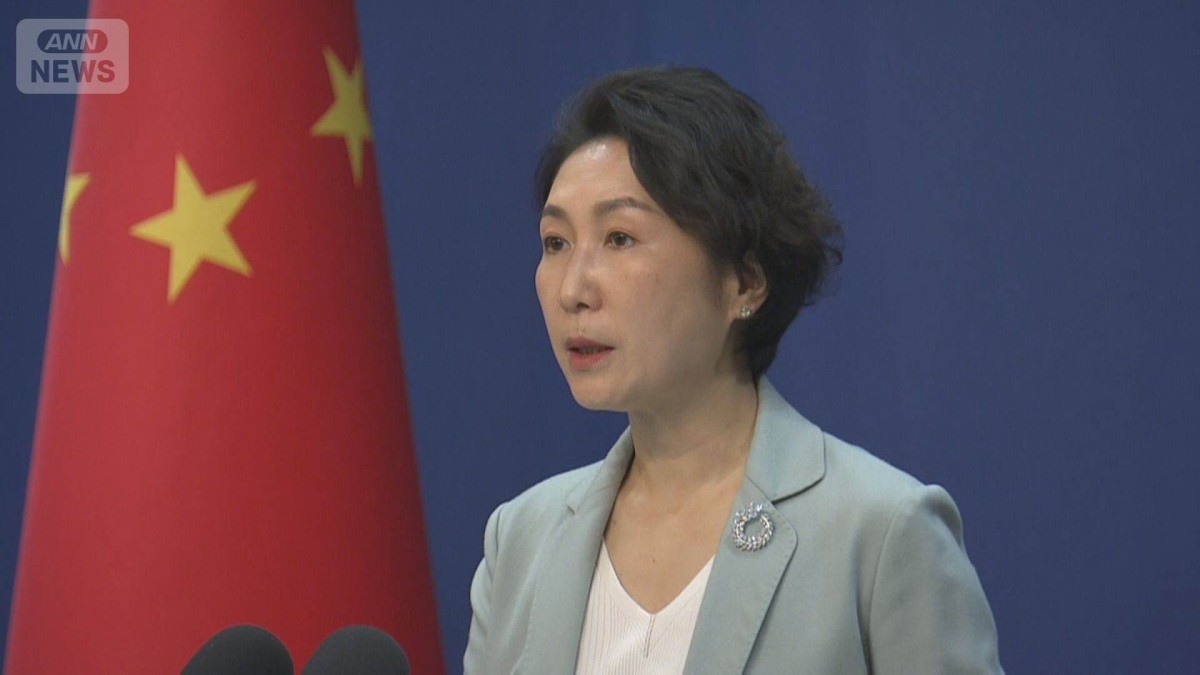
At a press briefing, spokesperson Mao Ning stressed that the three countries are not merely major powers sharing a Security Council seat. They are, she said, nations that stood shoulder to shoulder during the World Anti-Fascist War and helped win it. Then, almost casually, she added: they are founding members of the United Nations.
Japan was nowhere mentioned by name. It didn’t need to be.
The timing is deliberate. The bilateral relationship between Beijing and Tokyo has cooled sharply in recent years over fisheries disputes, historical textbook revisions, and China’s expanding maritime presence near the Senkaku Islands. By anchoring a prospective trilateral summit in the language of antifascist victory, China is effectively placing Japan outside the club of legitimate postwar stakeholders — or worse, reminding everyone that Tokyo is still a relative newcomer to that circle, despite being a major economy and close US ally.
This isn’t new theater from Beijing. Chinese officials have long used historical memory as a diplomatic cudgel against Japan, returning repeatedly to narratives of victimhood and righteousness that frame Tokyo as the perpetual offender in East Asian relations. What makes this moment distinct is the context: a proposed great-power summit that would reshape the architecture of Asian security without consulting the very nations most affected by its outcomes.
The Summit That Isn’t Happening Yet
A face-to-face meeting between Donald Trump, Xi Jinping, and Vladimir Putin is slated for November 19, according to Chinese reports. Whether all three leaders will attend remains unconfirmed. But China is already investing the event with outsized symbolic weight.
Mao Ning said the three leaders plan to discuss maintaining world peace and promoting strategic stability between major powers. She called enhanced communication among them consistent with their shared interests and beneficial to global stability.
That phrasing — strategic stability, global order — carries a specific implication. It suggests Washington, Moscow, and Beijing are negotiating the terms of international security without consulting their regional neighbors. For Tokyo, Seoul, Manila, and others in the Indo-Pacific, the message is clear: your concerns may not factor into decisions made between these three capitals.
Japanese media outlets have noted this pattern before. Similar rhetoric surfaced during previous great-power discussions, always with the same subtext: the postwar order was built by certain victors, and those victors get to redefine it. The Mainichi Shimbun ran commentary questioning whether Japan should simply accept its exclusion, while the Asahi Shimbun warned that being left out of strategic dialogues on nuclear arms control could directly impact Tokyo’s own defense planning.
A Modern Yalta?
Some analysts have already drawn comparisons to the 1945 Yalta Conference, where Roosevelt, Churchill, and Stalin carved up postwar Europe largely without input from the populations directly affected. The parallel is provocative and imperfect — no one is redrawing borders in Eastern Europe today — but the structural concern is real.
If the US and Russia negotiate arms control or Ukraine-related arrangements while China lurks in the background as a co-equal, Japan and South Korea inherit the consequences without a seat at the table. That dynamic would represent a significant shift from the current architecture, where Washington explicitly commits to the defense of both allies and expects them to coordinate policy.
The second-order effects of such a shift are hard to overstate. A US-Russia detente brokered through this triad format could lead to reduced American security commitments in the Indo-Pacific — precisely the scenario Japanese defense planners have long feared. It could also embolden China to press harder on territorial disputes, calculating that Washington is now prioritizing relationships with Moscow and Beijing over alliance obligations in Asia.
Beijing’s framing of the summit reinforces this risk. By presenting the three nations as natural partners bound by history and institutional privilege, China normalizes a diplomatic configuration that marginalizes Japan’s voice.
Who Wins, Who Loses
China gains narrative ground. It positions itself not just as a rising power but as a custodian of the original postwar settlement — and one that can reinterpret that settlement on its own terms. The antifascist language also subtly reinforces Beijing’s domestic messaging about national rejuvenation and historical grievances against Western powers.
Russia benefits from the visual of equality with the United States, even as its military position in Ukraine remains contested. A trilateral format elevates Moscow’s standing beyond what its current geopolitical isolation would otherwise allow.
The United States, if Trump pursues this meeting, gains a potential diplomatic achievement but risks alienating allies who see themselves excluded from conversations affecting their security.
Japan loses the most. Its partnership with the United States is reaffirmed only by omission — by being left out of the room. Every iteration of this framing chips away at Tokyo’s ability to present itself as an indispensable regional actor rather than a secondary player in someone else’s arrangement.
But Japan’s losses extend beyond symbolism. If great-power negotiations proceed without allied input, concrete security arrangements could follow: limits on US forward deployment, changes to extended deterrence commitments, or even discussions about Japan’s nuclear ambitions that exclude Tokyo entirely. These are not hypothetical concerns. Defense officials in both Tokyo and Seoul have privately expressed anxiety about exactly this scenario in recent months.
The Ripple Effects Across Asia
The implications reach far beyond Tokyo. South Korea, already navigating a delicate balance between its alliance with Washington and growing economic ties with Beijing, faces similar pressures. A US-Russia-China configuration that sidelines Seoul could accelerate Pyongyang’s nuclear program, knowing that its traditional mediator — China — is now sitting at a table where Korean Peninsula issues might be discussed without Seoul’s consent.
Philippines and Vietnam, both watching China’s assertiveness in the South China Sea with growing alarm, may interpret the summit format as a signal that Washington is willing to trade influence in Asia for concessions elsewhere. That perception alone could push smaller states toward greater hedging — or deeper alignment with China, depending on how the calculus plays out.
India, too, watches closely. New Delhi has positioned itself as a counterweight to China in the Indo-Pacific, and any restructuring of great-power relationships that dilutes US engagement could complicate India’s strategic calculus. The quadrilateral framework involving India, Japan, Australia, and the United States was designed partly to prevent exactly this kind of marginalization.
What Comes Next
The summit hasn’t confirmed full attendance yet, but the diplomatic preparation has begun. China is setting the terms of discussion before the leaders even meet. If the talks produce any joint statements or agreements, Japan will need to respond quickly — not by echoing Beijing’s historical framework, but by reinforcing the institutions and alliances that keep it included in great-power decisions.
Tokyo’s options are limited but not nonexistent. It can deepen security coordination with like-minded partners, particularly through expanded trilateral frameworks with the United States and South Korea. It can leverage its economic stature to maintain influence even when absent from formal diplomatic channels. And it can use multilateral forums — the G7, ASEAN-led mechanisms, the UN itself — to resist narratives that seek to rewrite the postwar order unilaterally.
For now, the sharpest takeaway is simple: in Chinese diplomacy, omission is often louder than words. Japan may not have been mentioned at all. But its absence was the entire point.
What happens next will determine whether that absence becomes a permanent feature of Asian geopolitics — or whether Tokyo and its partners can force their way back into the room.