COP31 Collapse Shows Fossil Fuel Diplomacy Has Broken Down
The breakdown of COP31 over fossil fuel language marks the end of a decade-long consensus-building approach. With the EU, Panama, and small island states rejecting a text that erased phase-out commitments, the multilateral system faces its gravest crisis since 2000.
The Moment the Consensus Broke
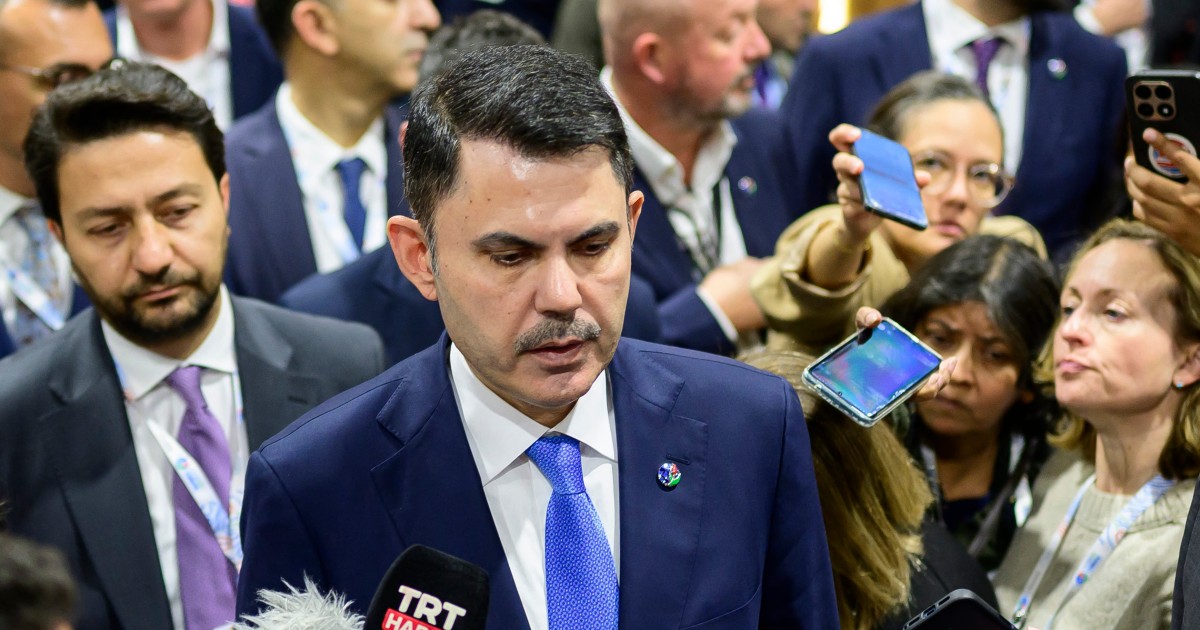
In the marble halls of Antalya, where delegates spent two extra days trying to salvage a dying process, the final draft landed Sunday with no mention of fossil fuels. It did not survive the rejection. The European Union, Panama, and the Marshall Islands walked away. Cop31’s president, Murat Kurum, declared there was “nothing to do” — a stark acknowledgment that the familiar playbook of incremental progress had failed.
This is not merely another delayed conference. It is the first COP collapse since the Hague in 2000, and it arrives with a loaded gun to the decade-old narrative that gradual wording shifts would eventually deliver a phase-out. The draft began by recalling the UAE Consensus, which in 2023 first used the phrase “transitioning away from fossil fuels.” By stripping that language entirely, Turkey’s presidency forced a question: what remains when the only agreed-upon framework for exit disappears?
What made this moment distinctive was not simply the absence of language but the manner in which it was removed. The draft did not negotiate down from an existing commitment; it began from zero and built upward without ever acknowledging that fossil fuels existed in the equation. Delegates who had spent years crafting the transitional vocabulary of the Glasgow and Dubai agreements found themselves confronting a text that treated their labor as invisible.
Who Walked Away — and Who Stayed Behind
The objections fell along predictable fault lines, but the depth of anger revealed a system under stress. Darragh O’Brien, representing the EU, called the text “greenwashing” and said it went nowhere near the needed ambition. Panama’s minister Juan Carlos Navarro spoke of being “held hostage by the petroleum mafia,” a blunt indictment of the lobby power that has shaped these talks for years. The Marshall Islands, a nation facing existential sea-level rise, joined the rejectors alongside the UK delegation, which labelled the draft the “lowest common denominator.”
Opposing them were Saudi Arabia, Russia, and India — economies still deeply tied to fossil fuel production or consumption — who treated any explicit phase-out language as a financial risk. Their position is not new, but their collective refusal to accept even transitional phrasing marks a hardening that goes beyond normal negotiation tactics. This is a red line drawn in oil-soaked ink.
Adding to the fracture is the United States’ official absence. President Donald Trump’s withdrawal from a series of international climate commitments has left the world’s second-largest emitter off the record. That vacuum removes a potential broker and reinforces the perception that the heaviest historical polluter is opting out while others fight over fragments.
Behind the scenes, smaller oil-dependent economies including Venezuela and Iran worked quietly to ensure the final text contained no references that could constrain their revenue streams. Their strategy, diplomats acknowledged privately, was not to defend fossil fuels but simply to prevent any language that might delegitimize them.
The Real Winner Is Not One Country
If there is a winner in this breakdown, it is not a single nation but a logic: the idea that climate diplomacy can keep pace with political will without confronting economic foundations. The fossil fuel bloc achieved its immediate goal — no binding language against their core industries. But the cost is reputation and relevance. As Mohamed Adow of Power Shift Africa wrote, calling Cop31 “the worst ever,” rich nations and polluting governments can no longer arrive empty-handed and expect carefully worded declarations to absolve them.
Vulnerable nations, meanwhile, bear the double loss. They lose the symbolic victory of continued inclusion and the practical prospect of accelerated action. The latest draft acknowledged what scientists have known for years: the 1.5 °C guardrail set by the Paris Agreement is now missed. The physics do not negotiate.
The financial sector has begun reacting to the signal. Several sovereign wealth funds with significant exposure to fossil fuel assets privately expressed relief that no new locking-in language was adopted, while green investment committees questioned whether the UN process can credibly guide trillions in capital allocation when its own texts can be hollowed out this easily.
What Happens Next — If Anything
Kurum could convene a follow-up meeting or defer decisions to next year’s conference, hosted by Ethiopia. Either path leads to the same unresolved tension. The multilateral system either adapts to a more transparent contestation of interests or drifts into irrelevance while regional and bilateral deals fill the gap.
Watch for three developments in the coming months. First, a possible splintering of climate action into smaller coalitions — the EU may deepen green industrial policy with partners who share its urgency, while fossil-dependent states consolidate their own alliances. Second, increased focus on adaptation finance, since mitigation deadlock pushes desperate nations toward survival measures. Third, market signals: carbon pricing and clean-energy investment will continue regardless of UN rooms, because capital moves faster than consensus.
The African continent, represented by Ethiopia’s incoming presidency, faces particular pressure to demonstrate that the multilateral system can still produce outcomes worth attending. Whether it frames its agenda around loss and damage compensation, renewable infrastructure financing, or both will signal how seriously vulnerable nations intend to take the post-Cop31 landscape.
Why This Matters Beyond the Headlines
Cop31’s collapse is not an endpoint but a revelation. For ten years, the fossil fuel phase-out narrative held the negotiating table together, allowing each summit to claim progress through softer language. That fiction is exhausted. The split in Antalya shows exactly where the world stands: those who need to leave fossil fuels behind, and those who profit from staying.
The science, as Secretary-General António Guterres noted, remains unambiguous. There may be no consensus in the room, but there is no ambiguity in the data. Extreme heat, flooding, and displacement will intensify according to warming trajectories, not diplomatic statements.
What emerges next will determine whether the climate regime fractures further or finds a tougher, more honest shape. The easy years of building consensus out of vague words are over. The harder years of naming real interests, real costs, and real transitions have begun — and this time, the clock is ticking louder than ever before.