Disney's $20M Grab of Character.AI Exposes AI Startup Rot
Character.AI filed for bankruptcy after burning through hundreds of millions with barely any revenue. Disney bought its assets for $20 million — and the economics behind that deal matter far more than the headline number.
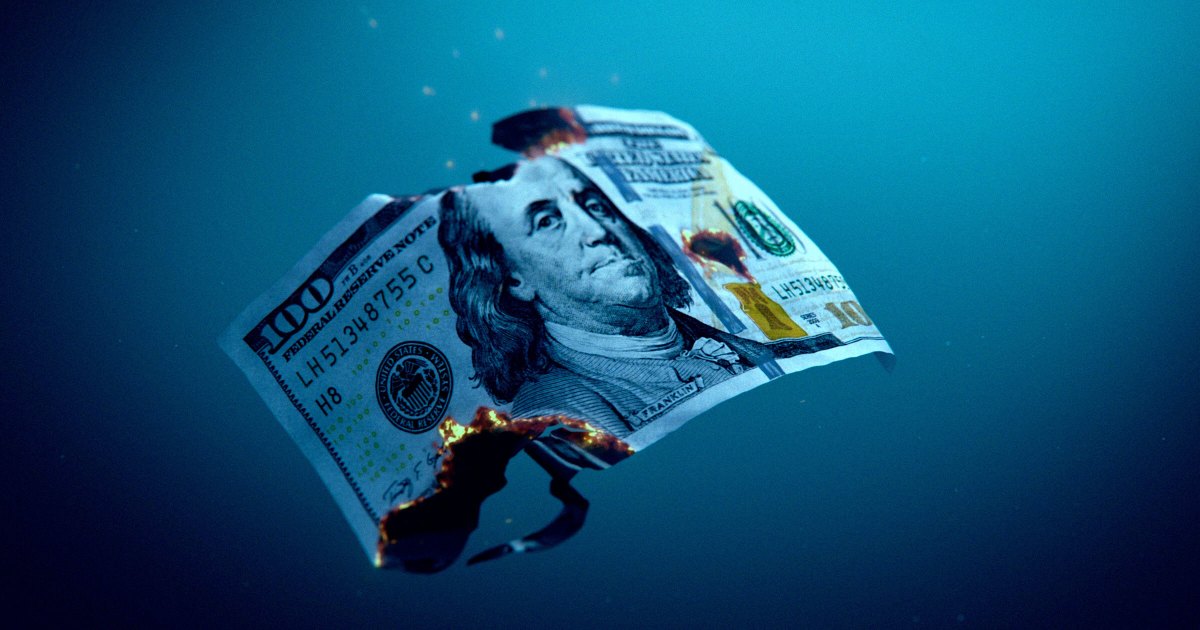
The $20 Million Bargain Nobody Saw Coming
Character.AI was worth a billion dollars at its peak. It now has roughly $56.1 million in compute costs and about $20 million in assets Disney is buying for what amounts to pocket change. The gap between those two numbers tells you everything you need to know about where the AI industry is heading.
On Tuesday, the once-buzzy chatbot company filed for Chapter 11 bankruptcy. What happened next was quick and almost insulting: Disney snapped up its assets for around $20 million. The deal was not covered heavily in the press, which suggests nobody at Disney or Character.AI wanted to make a spectacle of it. But it should be. This is the first time a legacy media giant has picked clean the wreckage of an AI startup at this scale, and it marks a turning point in how these companies are valued, built, and ultimately discarded.
The Math That Broke Character.AI
The bankruptcy documents are blunt. CEO Colin Adams wrote that the company’s “impressive technology is expensive to operate” and that it had consistently struggled with profitability while carrying high operational expenditure. The numbers back him up.
Between January and August 2026, Character.AI spent $56.1 million on compute and $19.7 million on employee salaries. Revenue during that stretch? It grew from $2.8 million in December 2025 to $5.3 million by August. The company was losing $8 to $9 million every month on operations. At that rate, it was burning through its runway with no clear path to break even.
What made the situation worse was the nature of the product itself. Character.AI built chatbot companions — people talked to them for hours. Each conversation required compute. More users meant more compute bills, not more profit, because the revenue model could not keep pace with the cost of servicing engaged users. The cheaper the subscription, the deeper the loss.
The Desperation Spiral
Faced with bleeding cash, the company did what nearly every overextended tech company does: it started making its product worse for users to squeeze out revenue. Character.AI introduced in-app advertising in mid-2025, pushed in-app purchases in early 2026, tightened usage limits, and replaced higher-quality models with cheaper, less capable versions. As 404 Media put it, the company began “enshittifying” its own product.
A startup that had promised “personalized superintelligence” for everyone on Earth now looked and felt like a sketchy mobile game. The shift was a clear admission that the underlying economics did not work — that user growth and engagement could not be converted into sustainable revenue without either massive subsidies or predatory design.
Disney’s Play Is Bigger Than One Company
Why did Disney buy Character.AI’s assets for $20 million? The answer lies in what those assets include. Character.AI built highly engaging conversational models trained on copyrighted characters — fictional personas, voice patterns, and interactive behaviors derived from existing intellectual property. Disney already owns some of the most valuable IP in the world. Acquiring Character.AI’s technology stack and user data at a fire-sale price gives Disney a shortcut into conversational AI without building it from scratch or negotiating with expensive external vendors.
This is the consolidation pattern that should worry other AI companies. When a startup runs out of money, its IP does not disappear. It gets absorbed by entities with deeper pockets — and in the AI space, those entities increasingly include legacy media and entertainment companies that have been watching the revolution from the sidelines, waiting for the dust to settle before picking through it.
The Warning for Every AI Startup
Character.AI’s fate is not unique to its business model. It is a structural problem facing most major AI products right now. OpenAI has introduced ads into ChatGPT for free and low-tier users. Anthropic and Google are subsidizing their AI operations with revenue from their traditional businesses. Meta and others have similar buffers. These companies can absorb losses that would kill an independent startup within months.
But even the giants are showing cracks. OpenAI faces lawsuits alleging its chatbot drove users to suicide, the same category of legal exposure that haunts Character.AI. The regulatory and litigation risk around AI companions — particularly those marketed to teenagers — is real and growing. A single adverse ruling or settlement could reshape the economics of the entire sector overnight.
For startups without a parent company’s cash reserves, the path is even narrower. The market rewards scale, and the cost of compute does not drop fast enough to support hundreds of competing platforms serving billions of tokens to hungry users. Those that cannot secure either massive continued investment or a profitable monetization strategy will fold. And when they do, the buyers will not be venture funds. They will be Disney, Warner Bros. Discovery, Amazon, or Apple — companies that can afford to pay $20 million for a billion-dollar company’s bones.
What Happens Next
The industry is entering a phase where the difference between a company that survives and one that does not will come down to three things: access to cheap compute, a monetization model that covers that compute cost, and a legal strategy that does not get crippled by copyright or liability claims.
Character.AI failed on all three. Its compute costs far exceeded revenue. Its monetization was an afterthought grafted onto a free product. And its legal exposure to lawsuits from teenage users and their families was substantial enough to make investors nervous.
For every other AI company still raising money and growing users, the question is no longer whether the model works. It is whether it works well enough to survive the moment when the investment taps dry and the real bills come due. Disney’s $20 million purchase of Character.AI’s assets is a preview of what happens to the companies that cannot answer that question affirmatively.