Dolly Parton's African Heart: What Her Death Reveals About Global Folk Culture
Dolly Parton's death prompts reflection on her unexpected depth of connection across Africa, where shared experiences of rural hardship made her music resonate far beyond Nashville. Her philanthropy may prove her most durable legacy.
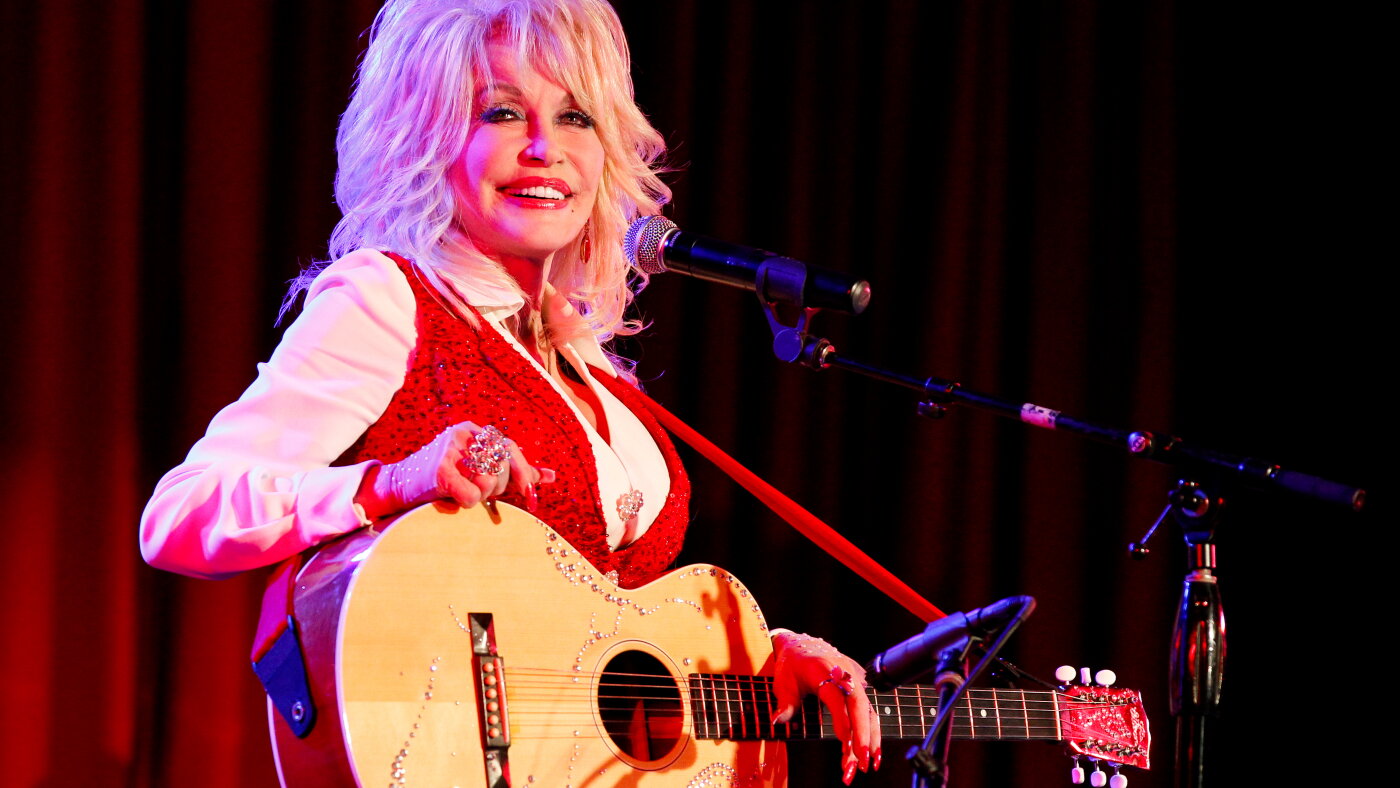
The Hills and the Savannas
Dolly Parton died this week at 84, but the news hit differently in Nairobi than it does in Nashville. In South Africa, former inmates of Robben Island still remember songs whispered through cell bars. In Nigeria, a performer known as The Country Man puts on a Stetson before opening with “Coat of Many Colors.” Across the continent, from Lagos to Johannesburg, the reaction wasn’t merely celebrity grief—it was the loss of someone who had become, inexplicably and unconditionally, one of their own.
This isn’t about exoticizing an American star’s international appeal. The connection between Appalachia and Africa runs deeper than marketing departments understand. It runs through shared architectures of hardship: isolation, economic precarity, the particular ache of leaving home and the particular gravity of returning to sing about it. When Esther Konkara, Kenya’s self-styled “Dolly Parton,” says her songs about rural poverty and small-town life resonated with a girl growing up in a dusty semi-arid village, she isn’t making a cute comparison. She’s naming a lineage.
The Unlikely Map of Devotion
Consider the geography of that devotion. Ochiora Okogeri performs Parton covers in Lagos, where American country music has carved out a niche audience despite the thousands of miles separating Nigerian cities from Tennessee hills. Elijah Manyeki organizes annual Cowboy and Cowgirl Day festivals in Nairobi—events where western wear meets African soil, where Dolly’s music plays over open-air speakers. In South Africa, the Ndlovu Youth Choir recorded “Jolene” in isiZulu, adding verses that repositioned the song’s jealousy narrative within a distinctly African emotional landscape.
But the most surprising connection perhaps involves Nelson Mandela. According to fellow prisoners, the anti-apartheid leader requested “Jolene” be played over Robben Island’s loudspeakers. It’s easy to dismiss this as a curious footnote—a former president with unusual taste in pop. But consider what the song asked of him: to sit with vulnerability, to admit heartbreak without performing strength, to claim private emotion as something worthy of airtime in a place designed to strip men of individuality. That Parton’s music offered Mandela something South Africa’s liberation theology couldn’t isn’t surprising. It’s the point.
Sibongiseni Shabalala of Ladysmith Black Mambazo remembers working with Parton in 1995. “She was a very lovely person, very easy to work with,” he recalled. They recorded Bob Dylan’s “Knockin’ on Heaven’s Door” together, and later performed at Dollywood in 2018. The collaboration wasn’t exotic novelty—the group had been touring internationally for decades, and Parton had built her empire on crossing boundaries. What made their partnership distinctive was mutual recognition: two musical traditions that understood themselves as speaking for people whom the world had largely stopped listening to.
The Architecture of Relatability
What made Parton’s music travel so well to African audiences? The obvious answer is universality—love, loss, faith, family. But that explanation is too thin. Universality is claimed by pop stars from Beyoncé to Adele without achieving Parton’s particular traction.
The sharper answer lies in Parton’s specific commitment to narrating rural experience without nostalgia or condescension. She sang about poverty—real, grinding, shame-inducing poverty—without sanitizing it. “Coat of Many Colors” isn’t a sentimental song about childhood scarcity; it’s a song about a mother turning shame into love, about learning that worth isn’t market-determined. That’s a story that lands in Appalachian hollows and Kenyan villages with equal clarity because it’s not about place. It’s about the mechanism by which people survive places the world has decided don’t matter.
When Okogeri says Parton sang about “simplicity and humble beginnings,” he’s naming something essential. African country music fans aren’t drawn to Parton’s glamour. They’re drawn to her authenticity—a quality that’s earned, not performed. Parton’s public persona has always walked a fine line between genuine warmth and strategic self-mythologizing, but her songwriting consistently returned to the same well: memory, place, the weight of history carried in ordinary bodies.
The Philanthropy That Outlasts the Songs
If Parton’s music traveled, her philanthropy translated even further. The Imagination Library, founded in 1995, now mails free books to children in multiple countries beyond its Appalachian origins. Dollywood’s foundation supports education, disaster relief, and community development across the region. These aren’t celebrity side projects—they’re infrastructure, built to outlast the current generation of fans.
What makes Parton’s giving model distinctive is its insistence on durability over spectacle. She didn’t build monuments to herself. She built systems that continue operating after her death. The Imagination Library has reached millions of children; Dollywood’s charitable arm funds scholarships, medical assistance, and emergency response without fanfare. In an era where celebrity philanthropy often amounts to photo opportunities and tax write-offs, Parton’s approach—consistent, boring, relentlessly practical—stands as an argument for what giving should look like.
For African audiences, this dimension of her legacy matters precisely because it mirrors approaches to community support they recognize from their own contexts. Mutual aid isn’t imported; it’s indigenous. Parton’s foundation models something that resonates because it aligns with how communities have always survived: through sustained, unglamorous investment in the next generation.
What Happens Next
The death of a cultural icon always produces retrospective urgency—a rush to define what mattered. With Parton, the retrospective will likely focus on her songs, her image, her Nashville pedigree. But the more consequential story may be the one playing out in Nigerian clubs and Kenyan festivals, where young musicians are learning that American country music isn’t foreign territory but shared vernacular.
Parton’s death will inspire tributes, playlists, and perhaps a surge in streams. The durable impact will be harder to measure: whether her philanthropy model influences how entertainers in other markets think about giving back, whether African country scenes continue expanding without needing Parton’s permission to exist, whether the Ndlovu Youth Choir’s isiZulu “Jolene” becomes a canonical version rather than a curious adaptation.
The sharpest lesson from Parton’s African connection isn’t that American folk culture can export itself. It’s that folk culture, at its best, refuses to stay contained. It travels because the conditions that produce it—scarcity, community, memory, survival—travel too. Parton built an empire on that truth, then spent her final decades ensuring the infrastructure would outlast her. That’s the legacy worth remembering, not just the voice.