Double Fine Free From Microsoft, But Its Workers Lost Their Union
Double Fine has regained its IP and independence from Microsoft, continuing a trend of Xbox studios reclaiming their games. But the union that briefly represented its workers withdrew its petition — raising questions about whether studio freedom benefits employees.
The Buyback Matters, but the Workers Pay the Price
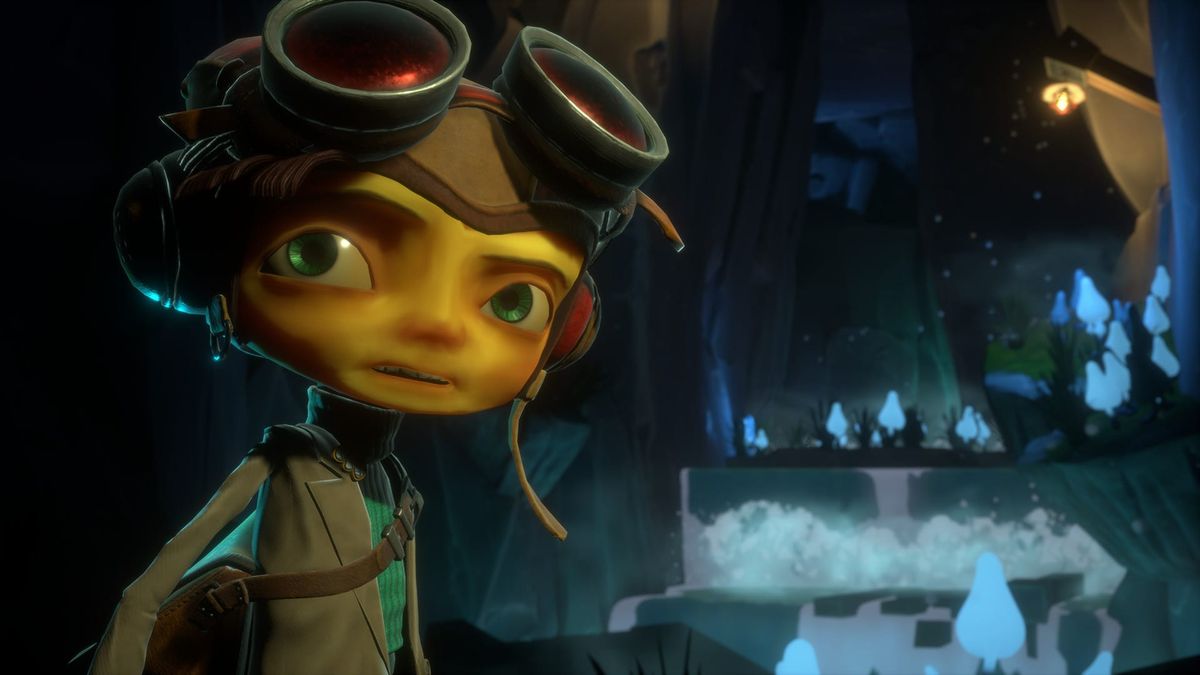
Double Fine is officially independent again. The studio behind Psychonauts, Keeper, and Kiln has closed the deal to regain ownership of its IP from Microsoft, echoing the same move that freed Compulsion Studios — the team behind South of Midnight — just weeks earlier.
On the surface, this looks like a clean win. If you buy a Double Fine game now, the money goes to the developers who made it, not to the executive suite at Redmond. Tim Schafer has spoken openly about the runway they now have to sign new deals and get back to work. He compared this moment to the period after Brutal Legend, when EA cancelled the sequel and the studio pivoted to smaller projects like Stacking and Iron Brigade.
But looking past the press release, there is a darker thread woven through this story that most coverage is ignoring.
The Union That Vanished
In early May, Double Fine workers filed a petition with the National Labor Relations Board to organize. It covered 42 full-time and part-time employees, and the Communications Workers of America — the same union that has helped organize hundreds of Xbox workers across Microsoft’s first-party studios — agreed to represent them. This was significant. Double Fine had long carried a reputation as a relatively progressive workplace in an industry known for crunch and turnover.
Then, a couple weeks after the petition was filed, workers withdrew it. Well before the Microsoft split was announced. Well before the layoffs. The CWA told Aftermath it had no further updates. Double Fine did not respond to requests for comment.
The timing raises uncomfortable questions that the independence announcement is designed to bury.
Why did 42 workers organize, then un-organize, before any public fight with Microsoft even began? Was there internal pressure? A change in sentiment? Negotiations behind closed doors that produced some assurance in exchange for silence? The record does not say. But whatever the reason, the union is gone — and so are the 23 workers Double Fine laid off after announcing its departure from Xbox in July.
A Pattern Emerging From the Xbox Library
The Double Fine and Compulsion releases are not isolated incidents. They are part of a quiet restructuring happening inside one of the largest entertainment companies on earth. Microsoft has been buying studios for a decade. Now it is letting some go — or at least, letting go of the publishing strings that tied them down.
The economic logic is straightforward. First-party exclusivity has diminishing returns in a market where players demand multi-platform access. Studios that were built under acquisition can thrive better as independents selling direct to consumers. The IP stays with the creator instead of sitting dormant on a corporate balance sheet.
This is good for fans who want Psychonauts 3 to land on every store. It is good for Schafer, who gets to run his studio again without green-light committees. It is even arguably good for some employees who may find more creative satisfaction working on projects their boss actually believes in.
But it is a different calculus for the workers who organized in the first place.
Who Gains, Who Loses
The winners here are clear: Tim Schafer, the Double Fine brand, and the fans who will see more games from this studio. The Kickstarter launching August 31 for Amnesia Fortnight — with backers helping to choose which ideas become prototypes and eventually a full small game — is a creative engine firing on all cylinders. 2 Player Productions will document the process. This is the studio Schafer always wanted to run.
The losers are less visible but more consequential. The 23 laid-off workers, whose collective bargaining effort dissolved before it could gain traction. The remaining staff, who lost a union that could have provided a voice during a period of extreme uncertainty. And any future Double Fine employees, who now face a studio that has proven it can shed headcount without impediment — a capability that did not exist when Microsoft owned the payroll.
There is a cruel irony in the fact that Double Fine’s independence arrived alongside layoffs. Under Microsoft, those 23 people had a different risk profile. Under Schafer alone, they have none.
The Union Question Haunts the Independence Narrative
The CWA’s silence is itself telling. This is a union that has taken on Microsoft aggressively across Xbox Game Studios — organizing teams at Raven, Obsidian, Ninja Theory, and others. That it walked away from Double Fine, voluntarily or not, suggests either a strategic retreat or a failed organizing drive. Neither outcome helps the workers.
What makes this particularly sharp is that the union petition and the independence news occupied the same news cycle. Anyone reading about Double Fine freeing itself from Microsoft would have been unaware that its workers simultaneously surrendered their collective bargaining effort. The stories never intersected in coverage because no one connected them.
That disconnect matters. The gaming industry’s labor movement has been building momentum through campaigns at Microsoft studios. Double Fine was a potential flank — a studio with a progressive reputation, a small workforce that could be organized quickly, and a founder willing to speak publicly about creative freedom. Its union collapsing mid-process removes that opportunity without changing anything about the workplace conditions that made it necessary in the first place.
What Comes Next
Double Fine has a runway. Schafer called it exactly that — not a freeway, just a patch of asphalt where they can take off on their own power. The Amnesia Fortnight Kickstarter gives the studio a way to fund smaller projects directly, bypassing traditional publishers. That is smart. It is also precarious.
The question for Double Fine workers is whether independence from Microsoft translates into independence from economic pressure. A studio without a publisher has fewer resources. A studio without a union has fewer protections. Those two facts combine into something neither Schafer nor the remaining employees seem eager to discuss publicly.
Compulsion is now in the same position. Two Xbox studios, both free, both bearing the scars of corporate ownership without the safety net that ownership also provided. The trend toward developer autonomy is real and deserved. But autonomy without labor organization is just a different kind of vulnerability.
The games will come. Psychonauts fans will celebrate. Double Fine will make something worth playing. But the story of how this studio got free is incomplete without the chapter about the workers who organized, then withdrew, and now have no one to speak for them when the next hard decision arrives.