ECB's Second Hike Signals Deepening Transatlantic Rate Divergence
The ECB's decision to raise its deposit rate to 2.50% — the highest level since April 2024 — reflects the mounting pressure of Iran-war energy shocks on European inflation. But the real story is the growing divergence from the Fed and what it means for the euro, European manufacturing, and Asian exporters.
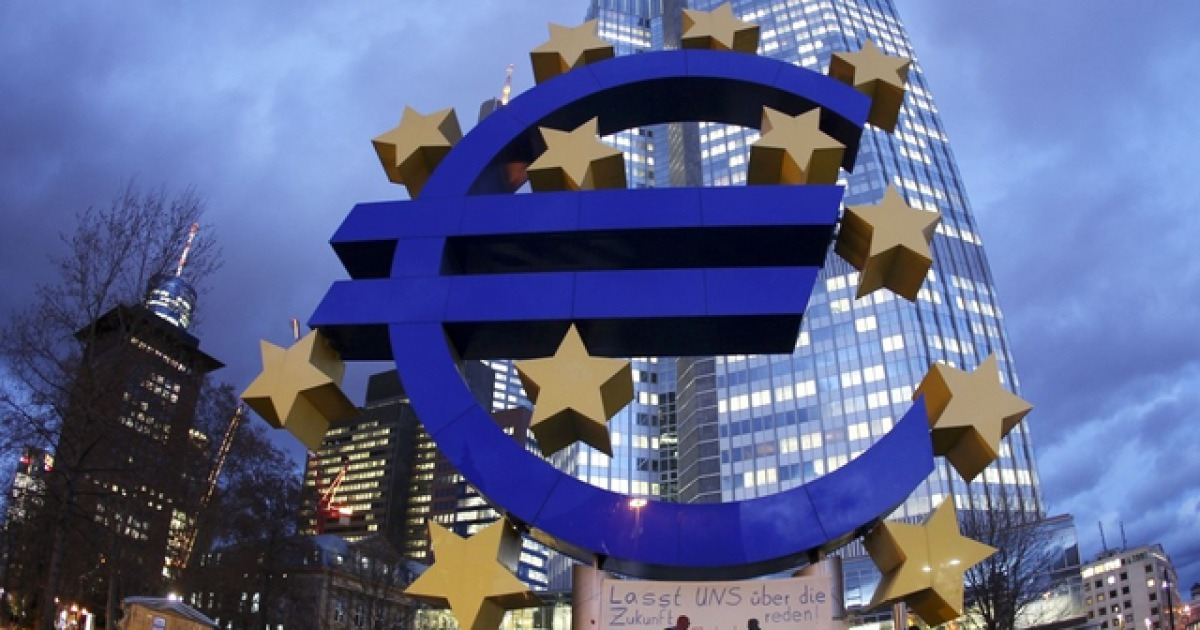
The meeting moved. The message didn’t soften.
The ECB left its Frankfurt headquarters for Berlin on Thursday and came back with its deposit rate at 2.50% — the highest level since April 2024, and the second rate increase of the year. Both the main refinancing rate and the marginal lending facility rose by 25 basis points, to 2.65% and 2.90% respectively.
Markets had priced this in. Bloomberg’s survey of economists pointed to a 0.25 percentage point hike. What matters is what the hike signals about where the ECB thinks the war in the Middle East is taking European prices — and where it’s willing to go next.
Energy shock is no longer a temporary bump.
Eurozone consumer inflation hit 3.3% last month, the highest reading in three years. It has now exceeded the ECB’s 2% target for six consecutive months. The central bank attributed the pressure directly to the ongoing conflict between the United States and Iran’s Islamic Revolutionary Guard Corps, which sent international oil above $100 a barrel.
In its statement, the ECB acknowledged that the Middle East dispute would continue to generate upward price pressure and that inflation would remain “well above” target for an extended period. The language is careful but unmistakable: the central bank sees no near-term path back to 2%.
There is a asymmetry embedded in the ECB’s forecast. Inflation risks are skewed to the upside. Growth risks are skewed to the downside. That is a dangerous combination for a region whose industrial base is already fragile.
The timeline matters.
This was only the second rate hike since the Iran conflict erupted in February 2025, following the first increase on June 11. The July meeting had been a hold. Three months passed between hikes, then two more before this one — a pattern that suggests the ECB is struggling to find a rhythm. It is reacting to data that is already stale, while energy prices continue to move.
Christine Lagarde’s press conference will be scrutinized for any hint about whether a third hike is on the table before year-end. AP noted that markets will read her words carefully, especially given the Fed’s own upcoming decision.
The Fed divergence is the real risk.
Here is where the European picture starts to matter beyond Europe. The ECB’s deposit rate now sits at 2.50%. Korea’s benchmark rate is 3.00%. The spread has compressed to just 50 basis points — the narrowest it has been in some time, and a shift that could redirect capital flows toward the won.
But the more consequential gap is with the United States. The Fed’s target range sits at 3.50–3.75%, and officials including newly installed Chair Kevin Wash have signaled that rates may need to rise further if inflation does not cooperate. Wash, who took office late last month, stated clearly that there is “work to do” to bring the 3.7% US inflation rate back to 2%.
The ECB and the Fed are now on parallel but not synchronized paths. If the Fed hikes again in its September 15–16 meeting — as markets consider likely — the euro will face fresh downward pressure against the dollar. A weaker euro should help European exporters. It also means higher import costs for a region that already pays a premium for energy.
Manufacturing is the losing side.
European manufacturing has been under strain for years. The Iran conflict and the energy price spike that followed have added a new layer of cost pressure. Higher borrowing costs make it more expensive for firms to finance operations, invest in capacity, or weather volatile input prices. The euro’s potential decline against the dollar makes exported goods cheaper on paper but does nothing to lower the energy bills that sit at the center of European production costs.
For Asian exporters — particularly Korean and Japanese manufacturers that compete in European markets — the divergence between ECB and Fed policy creates both risk and opportunity. A weaker euro makes European goods more competitive globally, which could squeeze margins for Asian exporters already facing stiff competition. At the same time, if European demand contracts under the weight of high rates and expensive energy, fewer European buyers means fewer orders for everyone.
The 50-basis-point gap between the ECB and BoK rates is worth watching closely. If the Fed continues to tighten while the ECB is forced to follow, the euro could deteriorate further — but so could confidence in European growth. The resulting commodity demand drop would eventually feed back into energy prices, but not before it disrupts export-dependent economies.
What happens next.
The ECB’s deposit rate at 2.50% is a floor, not a ceiling, if energy prices stay elevated and inflation remains above target. A third hike this year is plausible. The Fed’s next move is almost certain to be another increase. The two central banks will not be moving in lockstep, and that misalignment will test the euro’s stability.
For Asian exporters, the key question is not whether the ECB will raise rates again — it is whether European demand can absorb the hit without collapsing. The inflation-growth mismatch the ECB described is not a theoretical risk. It is the baseline scenario. And in that scenario, the companies that survive are the ones that can either absorb higher energy costs or pivot quickly to markets where demand has not yet flattened.
The war in the Middle East did not start this inflation cycle. But it has made the ECB’s job significantly harder, and it has exposed a fracture in global monetary policy that will define the rest of the year.