El Nino's Dry Grip Is Rewiring Global Trade From the Isthmus
The Panama Canal is cutting daily transits again as El Nino dries up the lakes that keep it afloat. The ripple through shipping costs, food prices, and supply chains will be felt far beyond Central America.
A Thirsty Shortcut
The Panama Canal is choking. Not from war, not from blockade, but from a lack of rain.
Starting September 3, the waterway will allow just 34 ships through per day, down from 36. By September 15, that number drops to 32. In 2023, during the worst drought on record, it went as low as 22. The operator warns this is only the beginning of what may be the most intense El Nino event since records began in 1950.
The irony is brutal: Panama is one of the wettest places on Earth and it still cannot feed the canal enough fresh water to operate at full capacity.
How the Canal Actually Works
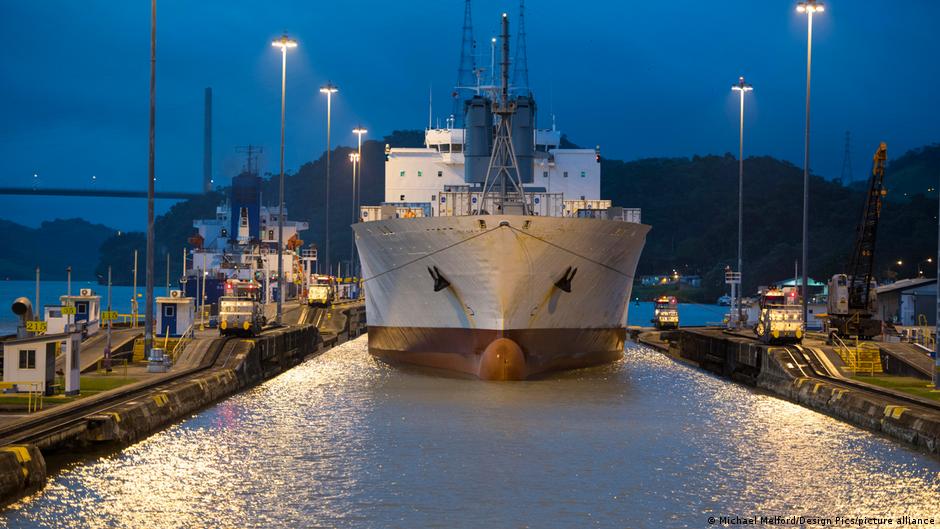
The Panama Canal is not a sea-level strait. It is a system of locks that lifts ships up to Gatun Lake, some 26 meters above sea level, and then lowers them back down. Every crossing consumes roughly 52 million gallons of fresh water — drawn from lakes that depend entirely on rainfall.
One El Nino season and those lakes run thin. Three bad years in a row, as happened from 2023 through 2024, and the system enters deficit. The operator has introduced water-saving measures, including restricting draft depth and rerouting ships, but the arithmetic is unforgiving. The canal needs rain. Rain is not coming.
Why This Matters to Shippers
About five percent of global maritime trade moves through the canal. That sounds small. It is not.
The vessels that use the canal are mostly Panamax and Neopanamax ships — the workhorses that carry grain, vehicles, petroleum products, frozen meat, and consumer goods between the Atlantic and Pacific coasts. When transit slots shrink, those ships queue. Queues push delivery times out by weeks. And weeks in shipping translate directly into higher freight rates.
Bidders for canal slots are already competing fiercely. The canal authority auctions transit windows, and prices spike when supply tightens. In the 2023–2024 drought, spot rates for canal transits surged well above contractual norms. Shippers who locked in annual agreements avoided the worst of the shock. Spot market clients did not.
Who Gets Hurt First
Cold-chain logistics feel the pinch immediately. Frozen foods, pharmaceuticals, and temperature-controlled cargo cannot sit in port while crews renegotiate schedules. Every day of delay risks spoilage. Carriers absorb some of that cost, but margins are thin and insurance premiums rise fast.
Commodity traders face a different problem. Soybeans from Brazil and corn from the US Midwest routinely flow through the canal to Asian buyers. When canal capacity tightens, those grains divert to longer routes around Cape Horn or face storage costs at origin. Prices at destination move. Not dramatically — the grain does not vanish — but enough to register in wholesale commodity boards and, eventually, at the checkout counter.
The Second-Order Effect Nobody Is Talking About
Here is what the headlines miss: the canal cut is not happening in isolation.
The Red Sea disruptions from Houthi attacks have already pushed significant tonnage away from the Suez Canal route, adding pressure to alternative paths. The Panama drought is squeezing the other major shortcut simultaneously. Two chokepoints, one stressed ocean system, and nowhere for cargo to quietly hide.
Shippers who were already reconfiguring supply chains for redundancy now face a steeper bill. The cost of doing business without shortcuts is not abstract. It shows up in the price of shipping containers, in the wait time for slot allocations, and in the willingness of carriers to impose peak season surcharges — or something equivalent — because demand is inelastic.
What Happens Next
El Nino typically peaks in the Northern Hemisphere winter and weakens by spring. But this year’s event is projected to be among the strongest on record. Scientists have flagged the same pattern repeatedly: a warmer Pacific amplifies existing variability, and what was once a rare drought becomes a recurring inconvenience. The 2023–2024 crisis was supposed to be the wake-up call. The canal authority is still asking for long-term sustainability investments. None have materialized at scale.
For shippers, the immediate playbook is simple. Lock in transit allocations early. Consider longer routing through Cape Horn if the cargo is bulk and can tolerate the time. Pay attention to alternative gates in the US Gulf and East Coast, where congestion patterns may shift as traffic redistributes.
For consumers, the lesson is less visible but more persistent. The canal is a price anchor for a wide swathe of globally traded goods. When the anchor lifts, prices drift upward. A tighter canal this fall means slightly higher costs for groceries, slightly longer waits for replacement parts, and slightly less certainty for manufacturers who depend on just-in-time delivery.
The Bigger Picture
Climate change does not announce itself with a single headline. It arrives as a series of small reductions in capacity, repeated over years, until the system is fragile. The Panama Canal is one of the clearest examples. A waterway that should never have been vulnerable to rainfall variability is now exposed precisely because rainfall patterns have become unpredictable.
The canal’s operators are reasonable. They have raised alerts, cut transits, and asked for investment. But the request has gone unanswered at the pace the problem demands. The world’s trade routes are being rewired by weather, and the invoices are coming due.
The next time you notice a price tag that seems to have crept up, or a delivery that arrived late, the cause may have nothing to do with politics or pandemics. It may be a lake in Panama, running dry.