Elden Ring on Switch 2 Changes the Multi-Platform Game
The Elden Ring Tarnished Edition coming to Switch 2 at 19% off is more than a portable port — it signals a shift in how multi-platform titles will be positioned across competing ecosystems.
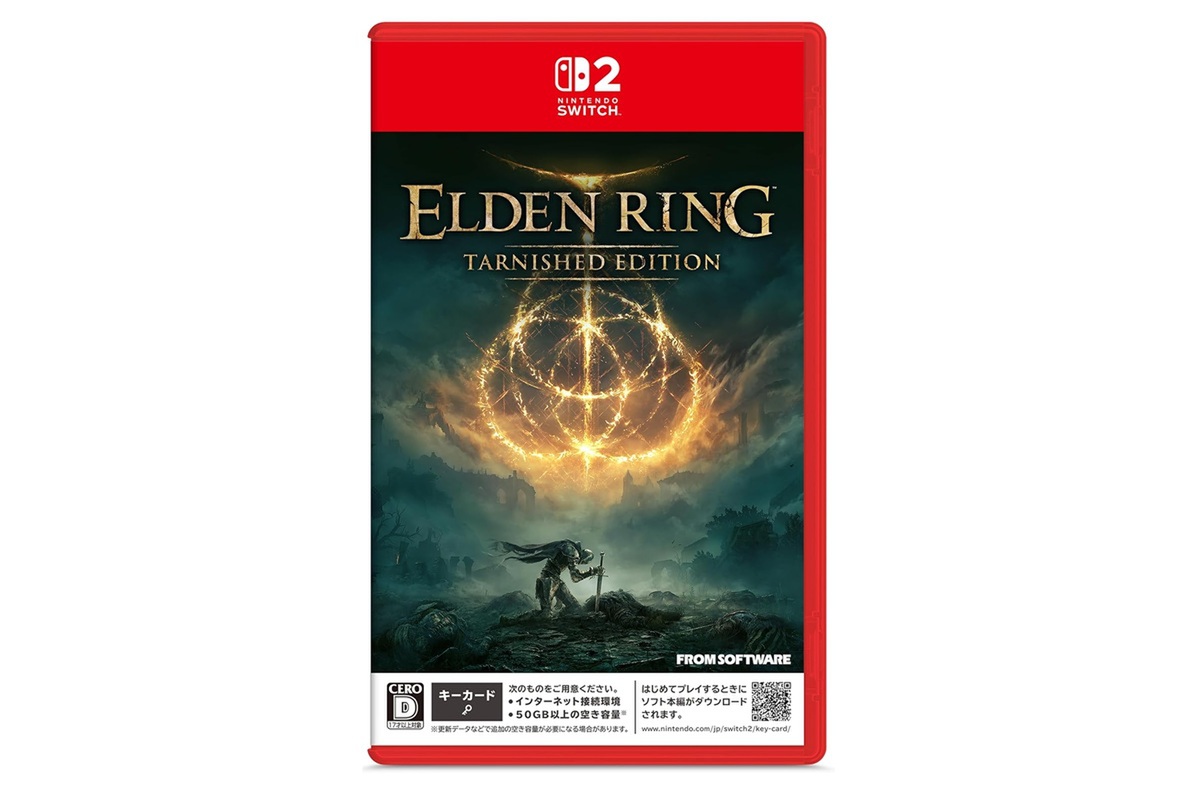
The Price Gap That Matters
The Elden Ring Tarnished Edition launched on Switch 2 through Amazon Japan at ¥7,351 — roughly $49 at current rates — carrying a 19 percent discount from its standard pricing. That number might look like routine retail behavior until you compare it to what PlayStation and PC buyers are paying for effectively the same package. Sony’s bundled edition runs higher, and PC Store pricing sits somewhere between. The gap isn’t dramatic, but it’s real enough that Nintendo doesn’t need to offer a better-performing version to win this transaction. It only needs to offer a different one.
This is the thing English-language coverage tends to flatten: the Switch 2 version runs at 30 frames per second with reduced graphical fidelity compared to PS5 or PC. For a game widely considered one of the finest action RPGs ever made, that sounds like a downgrade story. But the Asian-market reporting frames it differently — as accessibility infrastructure. The article notes explicitly that this targets players who do not own a PS5 or gaming PC, people for whom a portable device is the primary or only entry point into the experience.
The Real Product Is Accessibility
When Nintendo positions Elden Ring as something you can play on a train, in a hotel room, or lying in bed, the question stops being whether the graphics match the PS5 and starts being whether any version is available to someone who does not own a machine powerful enough to run it.
That is a genuinely important distinction. The game has sold over 30 million copies globally. A meaningful fraction of those players reached it through high-end rigs or premium consoles. The Switch 2 version does not chase those buyers — it captures the next wave, the people who would otherwise not play Elden Ring at all. At a discount no other platform currently matches, that is a competitive wedge.
The Tarnished Edition also bundles the Shadow of the Erdtree expansion, additional armor sets, and cosmetic items that would cost extra on other platforms. That bundle economics angle is rarely discussed in Western outlet coverage but represents a tangible value proposition. Buyers comparing platform offerings are seeing a complete product at a price point that undercuts the fragmented purchasing model common on PS5 and PC, where DLC and cosmetic content are frequently sold separately.
What This Reveals About the New Ecosystem War
This release exposes a structural tension between the current console strategies. Sony has been building a narrative around prestige first-party exclusives and high-fidelity ports. Game developers like FromSoftware and their publishing partners see an opportunity in Nintendo’s form factor. The practical result is a three-way split: PS5 gets the high-fidelity version, PC gets the most flexible version, and Switch 2 gets the most accessible version at the lowest price.
The strategic implication is that platform differentiation is moving away from raw performance toward contextual convenience. For a title of this scope, being able to carry the complete experience — base game plus Shadow of the Erdtree DLC plus new armor sets and cosmetic features — in a handheld form factor is the product. The 30fps ceiling is almost secondary to the fact that the game exists at all on the platform at a competitive price point.
What makes this moment structurally significant is that it represents a reversal of the traditional platform hierarchy. Historically, Nintendo hardware received ports that arrived months after launch and carried performance penalties that were treated as unfortunate compromises. The Switch 2 treatment of Elden Ring suggests a new equilibrium: Nintendo hardware is now being treated as a co-primary platform rather than a secondary market. The simultaneous release window, the bundled content, and the aggressive pricing all point to a publisher strategy that treats the Switch 2 as an equally important revenue channel rather than a residual one.
The Second-Order Effect on Sony and Microsoft
Sony faces a quieter problem here than the headlines suggest. Its first-party line-up lacks an action RPG of comparable ambition and completion. The Legend of Zelda franchise is exclusive by design, and even its newest entries do not occupy the same market segment as Elden Ring. When a cross-platform title lands on Switch 2 with a price disadvantage that PS5 cannot easily match without devaluing its own tiered pricing, the platform loses a marginal but noticeable pull.
Microsoft’s situation is murkier. The Xbox Series portfolio carries fewer third-party JRPG and action RPG titles than either the PS5 or the Switch ecosystem. Elden Ring arriving on Switch 2 with bundled DLC at a discount highlights a gap that does not currently exist on the Xbox side. This is not a new gap, but the visibility of it has increased dramatically now that a comparable title has found a commercially successful home on competing hardware at terms that Microsoft’s first-party strategy does not easily replicate.
Neither Sony nor Microsoft is likely to change strategy overnight. But the release establishes a benchmark: third-party publishers can now expect Nintendo to offer competitive pricing and immediate bundled content that outpaces competing console platforms. That changes negotiations. It changes how Sony and Microsoft position their own port deals going forward. Publishers holding valuable IP now have a reference point for what a successful Nintendo launch looks like, and that reference point raises the floor for future multi-platform agreements across all systems.
Why the Handled Mode Is the Quiet Story
The ASCII.jp article emphasizes handheld mode almost as an afterthought, which is precisely why it matters. Portability is usually treated as a feature listing rather than a core value proposition in Western coverage. Yet for a game this long — easily 100 hours across base and DLC — the ability to engage with it outside the living room is structurally different from playing it on a TV.
It expands the addressable audience. It changes how people budget for the game. And it gives Nintendo leverage in a market where portable gaming has been underserved since the original Switch era ended. The implication is that portability is no longer a compromise to be explained but a product feature to be sold, and selling it effectively requires bundling content rather than charging incrementally for each addition.
The Close
The Tarnished Edition on Switch 2 is not the definitive version of Elden Ring. It is not meant to be. But it is likely the most reachable version for the largest segment of players who have not yet experienced it. In a market increasingly driven by accessibility and bundle economics, that may be the more valuable positioning than raw graphical performance.
What this release really signals is that the next chapter of console competition will not be won solely by who has the most powerful hardware or the widest first-party catalog. It will be won by whoever can deliver the most complete experience to the widest range of players at the most competitive price. Nintendo has already demonstrated it can do that with this title. The question now is whether Sony and Microsoft will treat that as a signal worth responding to — or whether they will continue to compete on performance metrics while Nintendo competes on accessibility and value. The market will decide, and the players who have been priced out of previous generations will be the ones to benefit most.