Elden Ring on Switch 2 Is a Port That Actually Proves the Hardware
Elden Ring: Tarnished Edition runs consistently on Nintendo Switch 2 in both handheld and docked modes, making it the first major proof that Nintendo's new console can carry FromSoftware's heaviest titles. What this port does — and what it doesn't say — about the Switch 2's place in the portable market.
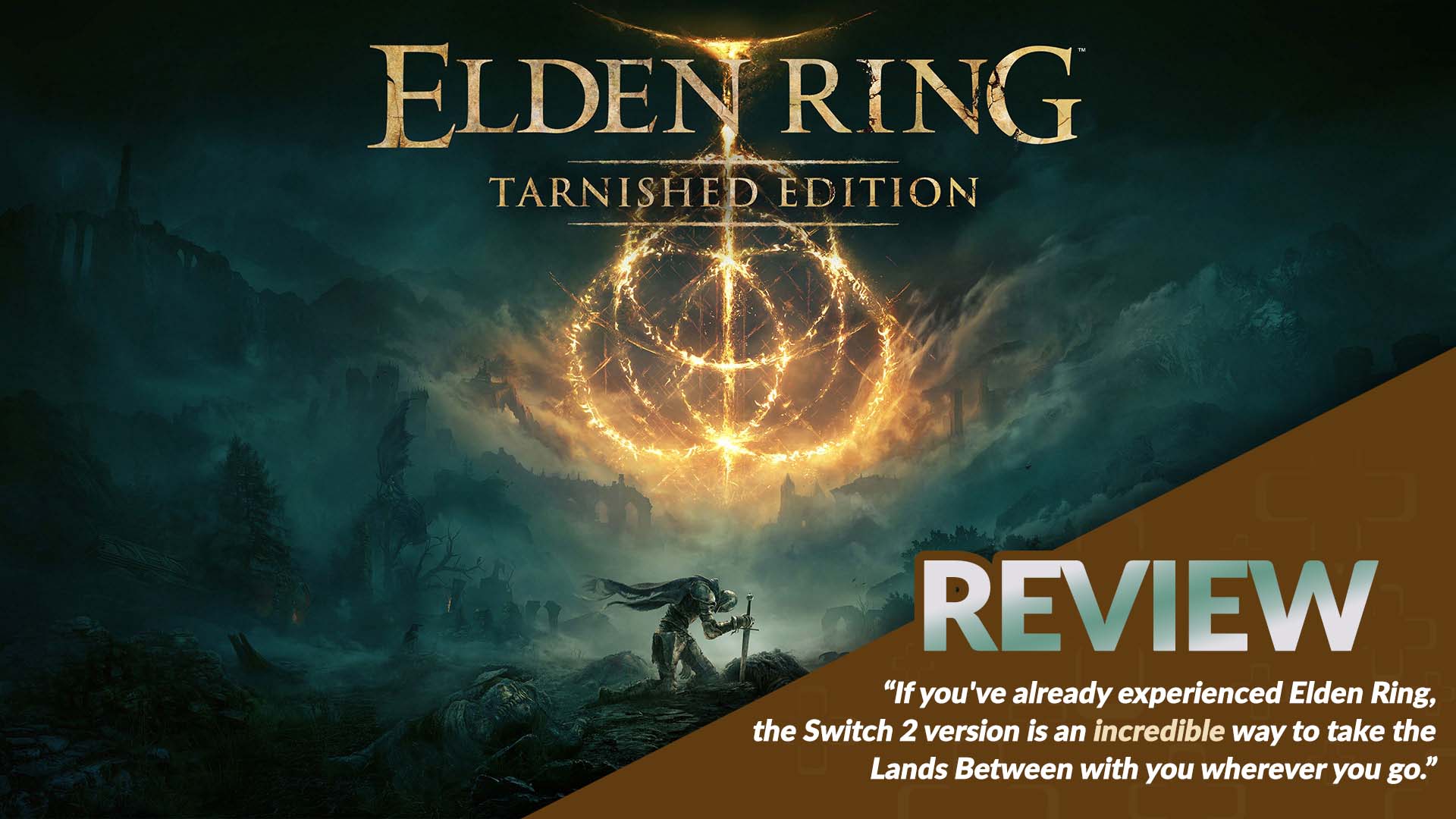
The Switch 2 Just Passed Its First Real Test
Elden Ring has been sitting on Nintendo’s announcement slate since April of last year — one of the first games revealed alongside the Switch 2 itself. For over a year, players watched preview footage that stuttered in handheld mode and wondered whether Nintendo’s new hardware could actually carry FromSoftware’s most demanding title.
The answer, as of this week’s launch-day reviews, is yes.
Elden Ring: Tarnished Edition, which includes the base game plus the Shadow of the Erdtree DLC and two new starting classes (Heavy Knight and Ides Knight), runs at a steady 30 fps in both handheld and docked modes. Performance hiccups exist — brief slowdowns during boss encounters — but they’re infrequent and self-correcting. That’s not a miracle for a port. It’s a baseline expectation for a first-party-adjacent launch window title on a console that launched with significant fanfare.
What makes this moment matter extends beyond one well-optimized game.
Why This Port Matters for Nintendo
Nintendo has spent the Switch 2 launch cycle positioning its new machine as a hybrid powerhouse — portable enough for the commute, capable enough for the TV. But the real test of that claim isn’t a platformer or a puzzle game. It’s whether the hardware can sustain open-world action RPGs with dense enemy counts, massive environments, and complex AI.
Elden Ring is precisely that kind of game. The Lands Between is a sprawling, detail-heavy world with dozens of enemy types, large-scale boss fights, and environmental effects that pushed previous-gen consoles to their limits. Getting this running smoothly on a system the size of a handheld is a meaningful engineering statement.
The more important question is what this signals about the Switch 2’s trajectory. If FromSoftware — a studio that already proved itself on the original Switch with ports like Monster Hunter Rise and Metroid Prime: Fusion — can deliver a polished experience here, it opens the door for other third-party heavyweights to follow. Demons’s Souls, Death Stranding, even potentially newer FromSoftware titles. Each would be a credibility boost for Nintendo’s claim that the Switch 2 is a serious gaming machine, not just a casual handheld.
The Tarnished Edition Adds Little, Optimizes Everything
Tarnished Edition isn’t a remaster. There are no new dungeons, no expanded story content, no graphical overhaul. The new starting classes and Torrent customization options are cosmetic additions at best. What the edition does represent is a clear signal: Nintendo and FromSoftware treated this port with the kind of care usually reserved for first-party titles.
That matters because third-party ports have historically been inconsistent on Nintendo hardware. The original Switch’s library was full of games that ran poorly, loaded slowly, or looked noticeably downgraded. Switch 2 owners deserve confidence that this pattern won’t repeat. Elden Ring sets a high bar.
The two new starting classes — Heavy Knight and Ides Knight — are a small but welcome addition. They give new players two fundamentally different approaches to the Lands Between from the opening minutes, which aligns with the game’s design philosophy of offering multiple paths through difficulty. Veteran players will find the content modest. Newcomers might appreciate the extra framing.
The Bigger Picture: What This Means for the Portable Market
The Switch 2 enters a portable gaming landscape that’s more crowded than at any point in the last decade. Valve’s Steam Deck, Asus’s ROG Ally, and a growing wave of Windows handhelds all offer more raw performance than Nintendo’s machine. The Switch 2’s advantage has always been its software ecosystem and portability, not its specs.
Elden Ring on Switch 2 narrows that gap just slightly. A game that once required a dedicated console or gaming PC to run at decent fidelity now lives on a device you can fold into a backpack. That’s not trivial. It shifts the value proposition of portable gaming from “what can you play?” to “where can you play it?”
But it also raises questions. Will other studios invest the same level of optimization effort? Will the Switch 2’s hardware become a reliable platform for future FromSoftware releases, or is Elden Ring a one-off success? The answer will determine whether the Switch 2 becomes a destination for serious RPG fans or merely a convenient secondary screen.
Who Wins, Who Loses, What’s Next
Nintendo wins. FromSoftware wins. Players who’ve been waiting to carry the Lands Between in their bag win. The only real loser is the notion that portable gaming is inherently compromised.
The next test will come when other major third-party titles attempt similar ports. If the pattern holds, the Switch 2 could quietly become the most versatile console of this generation — a machine that doesn’t demand you choose between home and portable play. If it doesn’t, Elden Ring will stand as a beautiful but isolated achievement.
For now, the verdict is clear: the Switch 2 can handle FromSoftware. That’s more than the original Switch ever managed, and it’s a stronger foundation than many expected going in.
One detail worth noting: the Joy-Con controls are adequate but not ideal. The Pro Controller is the better choice for anything beyond casual sessions. This isn’t a criticism of the port — it’s a reminder that control schemes matter as much as performance when you’re facing Malenia across a shattered arena.
The Lands Between awaits. And this time, it fits in your bag.