EU caps Chinese hybrid car imports — and the trade war just changed
The EU has imposed a hard quota of 350,000 Chinese hybrid cars per year, a direct import limit that signals a dramatic shift from tariffs to quantity controls. Here is what the deal means for automakers, supply chains, and the broader trade dispute.
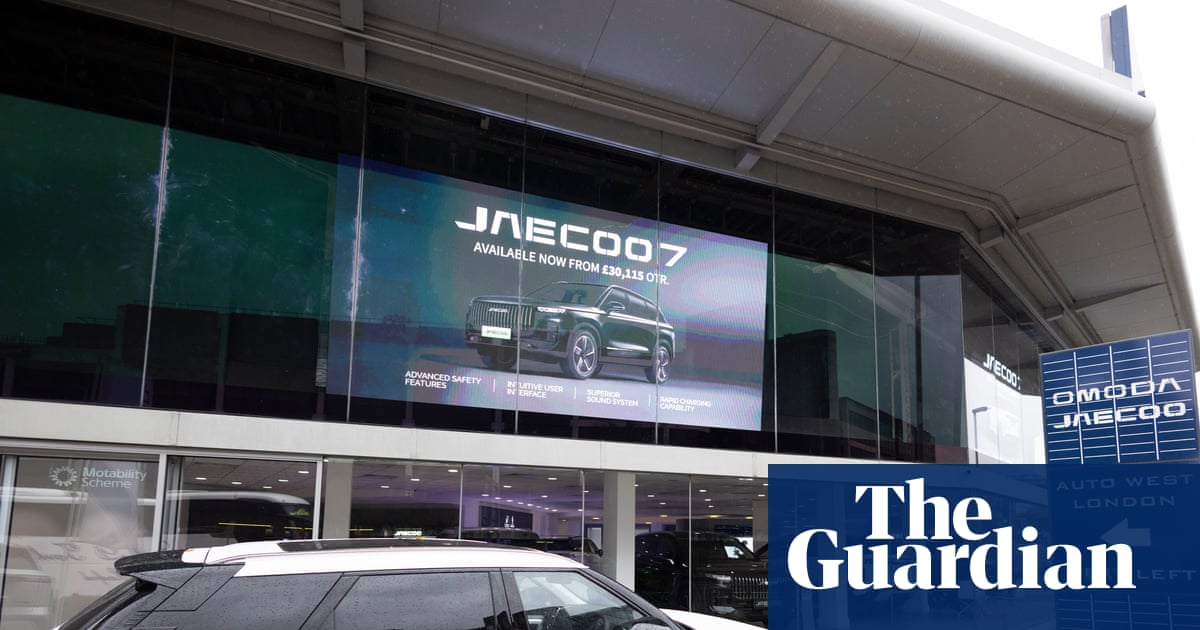
The EU just drew a line in the sand for Chinese cars — and it is not a tariff
Brussels has imposed a hard import quota of 350,000 Chinese hybrid electric vehicles per year, effective December. The number is stark because it cuts China’s projected 800,000-unit sales volume nearly in half and locks in a ceiling that no amount of pricing pressure can breach. This is not an anti-dumping duty. It is a quantitative restriction implemented under WTO safeguard rules, which lets Brussels move faster and sidestep the long investigations that tariffs normally require.
The political signal is unmistakable. The EU has moved from chasing exports to China toward actively blocking them. A trade deficit running at roughly £1 billion a day, fears of deindustrialisation in Europe’s industrial heartlands, and a wave of Chinese vehicle shipments that tripled in the first half of the year — all of it pushed officials past the old script.
Who wins and who loses in this deal
Chinese exporters of hybrids to the EU lose the most. The quota will cap their presence regardless of how low they price. China’s hybrid exports to the EU already surged to €6.7 billion in the first half of the year, up from €2.2 billion a year earlier. That pace cannot continue under a 350,000-unit ceiling.
Automakers that assemble in Europe win. Officials confirmed that Chinese vehicles built inside the EU — such as those assembled in Hungary and potentially Spain — are exempt from the quota. That is a structural advantage for factories on European soil and a clear incentive for Chinese companies to localize production if they want unrestricted access.
EU-based carmakers also benefit, though indirectly. A smaller flow of Chinese hybrids means less downward pressure on prices and market share for European manufacturers competing in the same segment. The deal does not ban Chinese cars. It simply shrinks their footprint by design.
Consumers in the EU face a narrower choice and likely higher prices for hybrid models. That is the hidden cost of a quota that restricts supply without removing the product entirely.
Why the quota matters beyond cars
This is not a standalone measure. It arrives alongside a broader reset in EU trade thinking. The deal with Beijing includes Chinese concessions on auto parts tariffs and halved duties on EU footwear, olive oil, and ice cream. But the car quota is the anchor — and it is the part most likely to shape the next round of negotiations.
China’s agreement to the cap is unusual. Quotas are rarely welcomed by the exporting side. The fact that Beijing accepted a binding numerical limit suggests the deal is part of a wider bargain that extends well beyond vehicles, covering chemicals, renewable energy equipment, and furniture. One EU official said dialogue would continue on those sectors, making clear this is not the end of the negotiation.
The WTO angle: speed over due process
The EU chose the WTO safeguard route precisely because it is faster. Anti-dumping cases can drag on for years and produce complex duty rates that vary by company. Safeguard quotas are blunt instruments. They impose a ceiling and let customs enforce it at the dock.
Vehicles imported above the quota will not face tariffs. They will be blocked at European ports. That is a simpler enforcement mechanism, but it is also more visible. Every container turned away is a public reminder that the EU is willing to police quantity, not just price.
The kill switch and the next escalation
The car quota is the first concrete step. EU leaders are preparing to discuss a French-German proposal for a so-called kill switch — a new instrument that would let Brussels block access to the single market for entire categories of goods in response to harmful developments abroad, including potential bans on rare earths critical to the automotive and tech industries.
That proposal has not yet been finalized, and its legal scope remains uncertain. But the direction is clear. The EU is building a toolkit that goes beyond traditional trade remedies and moves toward strategic supply-chain weaponization. If adopted, the kill switch would give Brussels a lever it has never had at this scale.
What happens next
Three things are likely to dominate the coming months.
First, Chinese automakers will accelerate local assembly in Europe. The quota exemption for EU-built vehicles creates an immediate financial incentive. Hungary, Spain, and possibly other member states will become battlegrounds for factory investment.
Second, the EU will test the kill switch concept against real-world triggers. Rare earths remain the most plausible flashpoint. Any restriction on Chinese exports of gallium, germanium, or rare-earth processing would put the instrument to its first operational use.
Third, China will press for concessions in the remaining sectors. The deal covers cars, but chemicals, renewables, and furniture are still on the table. Expect Beijing to offer additional trade flexibility in those areas in exchange for adjustments to the car quota or exemptions for specific manufacturers.
The bigger picture
The old debate about EU-China trade was simple: should Europe export more to balance the deficit? The new debate is harder. Europe is now willing to restrict imports directly, using quotas and prospective kill switches, while simultaneously trying to keep dialogue open on other products.
That tension is the real story. The 350,000-unit cap is a concrete number with real consequences. But the policy architecture it sits inside — safeguard quotas, supply-chain diversification rules, the proposed kill switch — is what will define EU trade strategy for years. The EU is no longer trying to out-sell China. It is trying to out-manage it.