EU's 'Terror by Design' Label Changes How Russia's War Is Judged
The EU's decision to label Russia's strike on a Ukrainian shopping centre as 'terror by design' is a deliberate escalation in legal and moral framing — one that could reshape war crimes prosecution and sanctions policy. What happens next matters beyond Kyiv.
The framing matters as much as the firepower
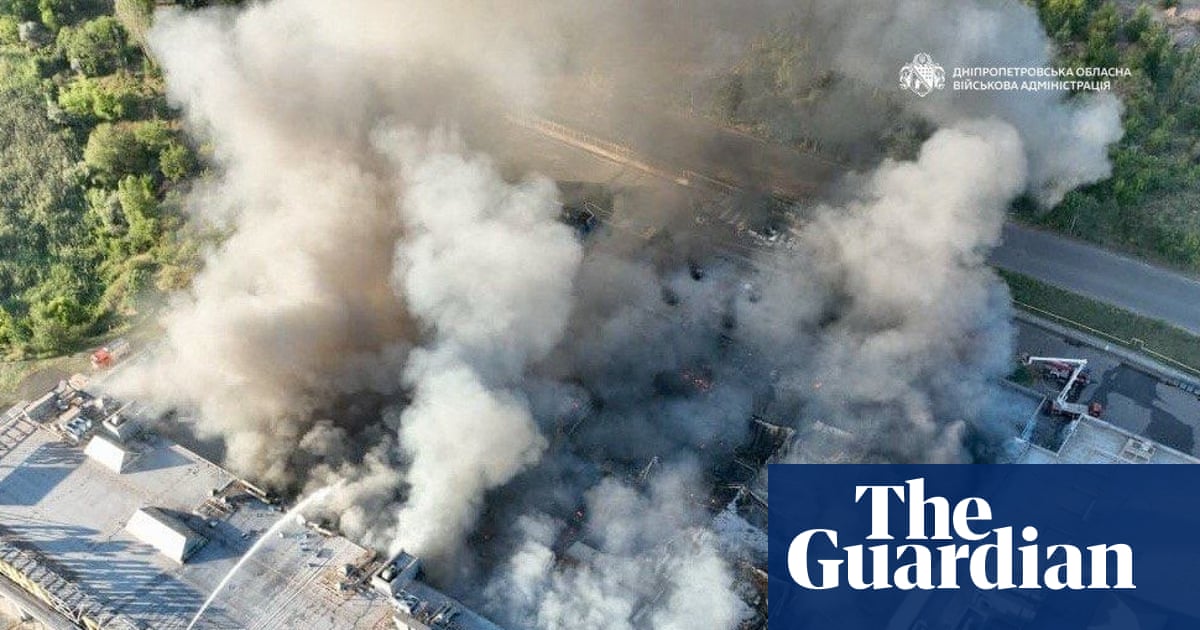
When Kaja Kallas called the Russian drone strike on a shopping centre in Kryvyi Rih “terror by design,” she was not choosing words carelessly. The phrase does something precise: it moves the attack out of the category of collateral damage and into the category of intent. That distinction is not academic. It shapes how prosecutors build cases, how sanctions lists are compiled, and how public opinion in capital cities decides whether to keep funding a war that now looks, to many, increasingly like a campaign against civilians rather than a military contest.
Sixteen people died in the attack on Friday. At least 130 were wounded, including 23 children. A second drone hit half an hour later — targeting rescuers, President Volodymyr Zelenskyy said. The pattern is unmistakable and it is exactly the kind of evidence that international tribunals have struggled to assemble at scale.
Why this label is different from past condemnations
Western officials have condemned Russian strikes on civilian targets throughout the war. What is new here is the institutional weight behind a specific legal characterization. Kallas is not merely expressing outrage. She is putting forward what she called “the most far-reaching Russia sanctions listings since the start of the war” ahead of next month’s meeting of foreign ministers in Ireland. The EU is formally connecting the attack to individual liability, not just state-level condemnation.
That shift matters because sanctions targeting individuals involved in attacks on civilian infrastructure create a legal pathway toward prosecutions that did not exist in the early years of the conflict. The International Criminal Court has already issued arrest warrants related to the deportation of Ukrainian children and the broader pattern of attacks. What the EU is now doing is building a parallel record — a sanctions architecture that documents who ordered, facilitated, or executed strikes on non-military targets. Over time, those records feed into court cases.
Who wins and who loses from this framing
The Ukrainians win narrative momentum. Kryvyi Rih is Zelenskyy’s home town. An attack there carries symbolic force that a strike on a distant village does not. The images of rescuers pulling children from rubble in the president’s own city will travel through European news cycles and reach legislators who are growing tired of a war that seems to stretch without resolution.
Russia loses something more concrete: the ability to blur the line between military and civilian targeting. Moscow has long argued that Ukrainian industrial cities are legitimate targets because they support the war effort. A shopping centre does not fit that argument. By naming the attack “terror by design,” the EU is removing the fog of war cover that Russian officials have relied on to deflect criticism.
The Europeans also gain something risky. Every time the EU ties itself to a specific legal characterization of a Russian attack, it raises the cost of inaction if Moscow escalates further. The group of leaders meeting in Kyiv on Monday — co-chaired by Emmanuel Macron, Andy Burnham, and Friedrich Merz — is signaling unity, but unity requires follow-through. If the next strike is worse, and the response is not, the credibility of the “terror by design” label erodes.
The sanctions angle is where this gets interesting
Kallas’s promise of expanded sanctions listings is the operational heart of the statement. The EU has been slow to expand its Russia sanctions regimes in recent months, partly because internal disagreements over energy and inflation have dulled the consensus. A high-casualty attack on a civilian site could reignite that resolve. The question is whether member states will accept restrictions that bite into their own economies to enforce a new wave of listings.
The listings themselves will likely target officials in Russia’s drone and missile command structure, along with the companies that supply components. That is a narrower circle than the wholesale sectoral sanctions imposed in 2022, but it is also harder to evade. Individual designations freeze assets and restrict travel. They create personal risk for people who have operated with impunity.
What happens next
The coalition meeting in Kyiv on Ukraine’s independence day is staged deliberately. Ten leaders, including European Council chief António Guterres’s counterpart on the UN side, are converging on a city that has survived repeated bombardment. Zelenskyy’s message to them was direct: the world must respond with real pressure. He also spoke with Guterres on Friday, updating him on the civilian toll.
Ukraine’s military situation remains strained. Kyiv has repeatedly asked allies for additional air defence support, particularly against ballistic missile salvos that current systems struggle to intercept. The shopping centre attack is one data point in a broader pattern — four more people, including three children, were killed in a separate strike in the Mykolaiv region on the same day.
The legal and diplomatic track is moving in parallel. If the EU follows through on Kallas’s sanction proposals next month, it will be the most significant expansion of individual accountability measures since the war began. That expansion could prove useful in future prosecutions, and it could constrain Russian decision-makers in ways that broad economic sanctions have not.
Whether it changes the calculus on the ground is less certain. Drones that hit a shopping centre will keep coming unless Ukraine’s air defences improve significantly — and that is the quieter, harder question underlying all of this. The EU’s framing is a step forward in the war over how the conflict is understood. But understanding does not shoot down drones.
The real test will come in the months ahead: whether the moral clarity of the “terror by design” label translates into military aid that actually reaches Kryvyi Rih before the next strike.