Inside the FlyDubai Hijacker: A Co-Pilot's Radical Path
An Omani co-pilot's social media reveals a calculated radicalization before he attacked his captain and tried to crash a Dubai-to-Israel flight. What CNN uncovered about his posts changes how we should read this incident.
The Posts Came After — But What Kind of After Matters
A co-pilot attacked his captain, tried to send a commercial jet into the ground, and then — roughly nine hours later — social media accounts linked to him lit up with extremist material. That sequence is what makes the recent FlyDubai incident so quietly alarming. It is not just the attempt itself. It is the digital trail left behind, and what it suggests about how easily an airline pilot can accumulate radical connections without triggering any institutional alarm bell.
Flight FZ1073 was heading from Dubai to Tel Aviv on the afternoon of October 30 when the Omani national serving as second-in-command, identified as Hammad Al Hammami, allegedly grabbed a weapon and stabbed the captain. His objective, according to UAE authorities, was to deliberately crash the aircraft. He was subdued, the plane landed safely, and he was taken into custody. So far, so much like every other航空 security drill you have read about this decade: a suspect, a weapon, a quick response.
Then came the social media reveal.
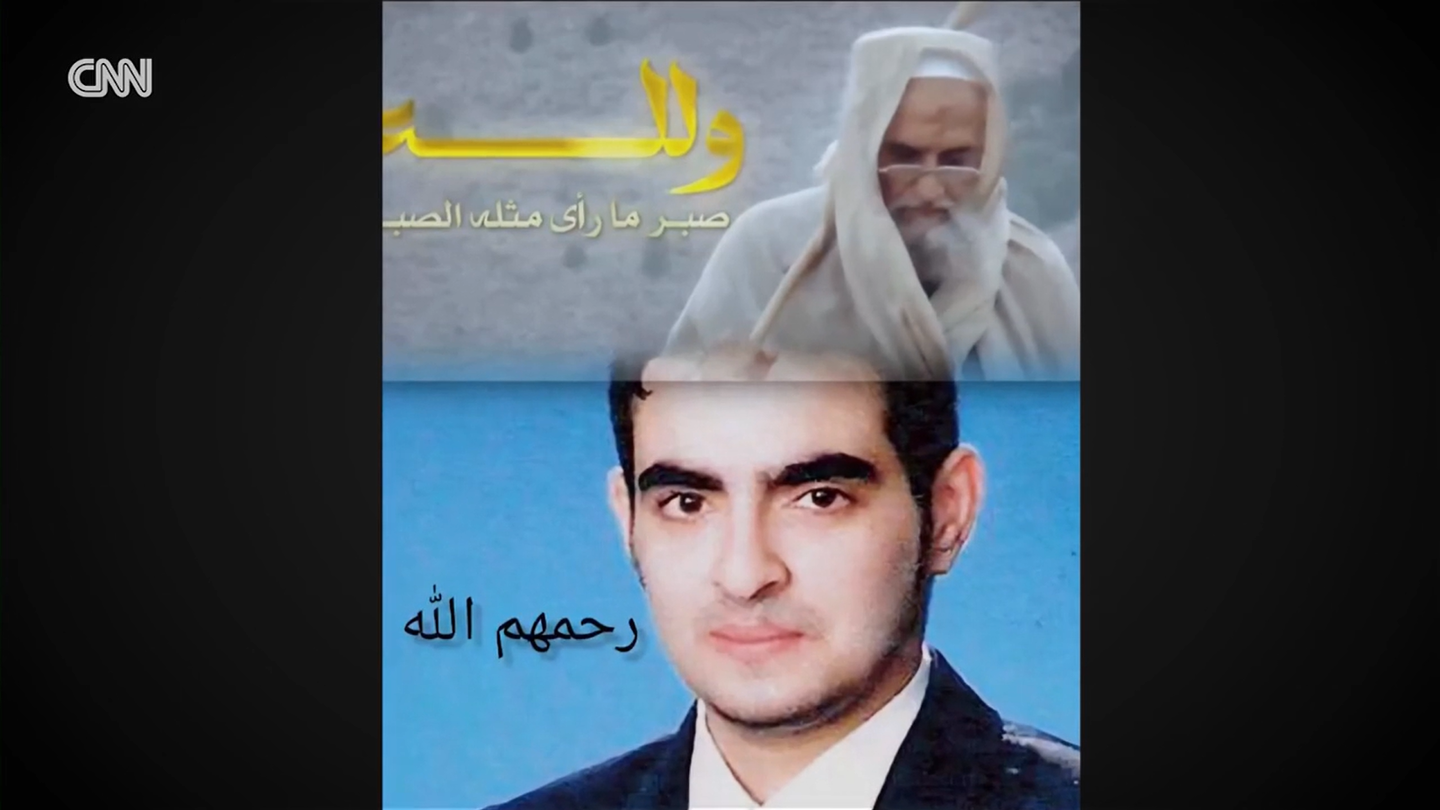
According to reporting by CNN, linked to coverage referenced in Korean outlets, Al Hammami’s Instagram and LinkedIn accounts — both active and traceable to him — displayed a pair of posts within hours of the incident. The first was a video recorded from the cockpit in October 2023 at Dubai International Airport, focused on an EL AL aircraft parked at a nearby stand. The camera lingered on the Israeli carrier’s fuselage before cutting to photographs of two men: Ayman al-Zawahiri, the former leader of al-Qaeda who succeeded Osama bin Laden, and Hammad Khalil Abu Murhal Al Balawi, the al-Qaeda-affiliated operative responsible for the 2009 CIA base attack in Khost, Afghanistan, that killed nine American intelligence officers including a deputy station chief.
The second post was an AI-generated image depicting the three holiest sites in Islam — Mecca, Medina, and Jerusalem — connected by beams of light. An audio track accompanied it, reciting a declaration that the poster would not fear death and would protect his dignity until the end. Whether these were pre-scheduled posts, posted reactively, or uploaded by someone else remains unclear. LinkedIn and Meta did not respond to requests for comment, and UAE investigators have not yet confirmed the timeline of publication.
Why the Timeline Is the Story
Nine hours is a long gap in terror investigation terms. If the posts were made after the attack, they point to a mindset that survived the immediate crisis — a kind of ideological performance, even while handcuffed. If they were pre-scheduled, they point to something more calculating: a pilot who anticipated failure and wanted his message delivered regardless.
Either scenario raises a question that English-language desks outside the Middle East have barely touched: how did a commercial airline co-pilot in the Gulf accumulate enough exposure to al-Qaeda iconography to post it publicly, on professional platforms, without anyone in the aviation security chain noticing?
Al Hammami holds Omani citizenship and appears to have been working for a UAE-based carrier on a route that, since the Abraham Accords, has become a regular artery between the Persian Gulf and Israel. The route itself is not new. What is relatively new is the perception — at least among regional counter-terrorism officials — that the normalization framework has created a target profile that militant networks find worth exploiting. A flight from Dubai to Tel Aviv is, in practical terms, a flight over territory that some militant sympathizers consider occupied. That makes it an attractive symbolic target even if the actual strategic damage would be limited.
The Bigger Picture: Airspace, Access, and Ideology
The UAE has classified the incident as a terrorism attempt. That designation matters because it triggers a different investigative toolkit — one that includes monitoring financial trails, communications metadata, and extremist network linkages. So far, investigators say they are working to establish the specific motive and whether Al Hammami acted alone or with organizational support.
What is striking is the casual visibility of his radical materials on platforms designed for professional networking. LinkedIn profiles are supposed to showcase career achievements. Instagram feeds in 2024 are assumed to contain lifestyle content, family photos, travel shots. Finding a pilot’s accounts populated with al-Qaeda propaganda is the digital equivalent of discovering a bomb maker’s spare parts list next to his lunchbox. The platforms that moderate this stuff exist, but the enforcement is notoriously uneven, and the speed at which flagged content can appear, disappear, and reappear under different accounts is a structural weakness no airline can fully patch.
Aviation security has spent the past twenty years preparing for the suitcase bomb, the shoe bomber, the liquid explosives plot. The FlyDubai case is a reminder that the threat landscape has expanded beyond the boarding gate. A radicalized individual with access to a cockpit, a grudge, and a conviction can turn a commercial flight into a missile — and then, if he survives, turn his social media into a manifesto.
What Changes Now
UAE authorities will likely tighten vetting procedures for flight crews on routes to Israel. Airlines may begin requiring more frequent psychological evaluations and social media audits for pilots flying those corridors. And counter-terrorism agencies across the Gulf will be reviewing whether the current monitoring frameworks for religious extremism in aviation sectors are adequate — particularly in countries where foreign workers make up a significant share of the pilot and cabin crew workforce.
The route from Dubai to Tel Aviv will keep flying. The normalization architecture that enabled it is too embedded to unwind after a single incident. But the incident does force a reckoning with a simple, uncomfortable fact: the people sitting in the right seat of a commercial cockpit are granted extraordinary access, and the systems that screen them are built for criminals, not for ideologues who happen to have good flying records.
For now, the investigation is in its early stages. The posts on those two accounts are evidence, not a conclusion. But they are evidence of a kind that every aviation security office in the Middle East will be studying closely in the months ahead.