Biden Nearly Cut Off Israel — Then Iran Changed Everything
An exclusive look inside the Biden White House reveals how close America came to severing weapons to Israel after the World Central Kitchen strike — and why a coming Iranian attack forced a different path.
The moment Biden almost went scorched earth
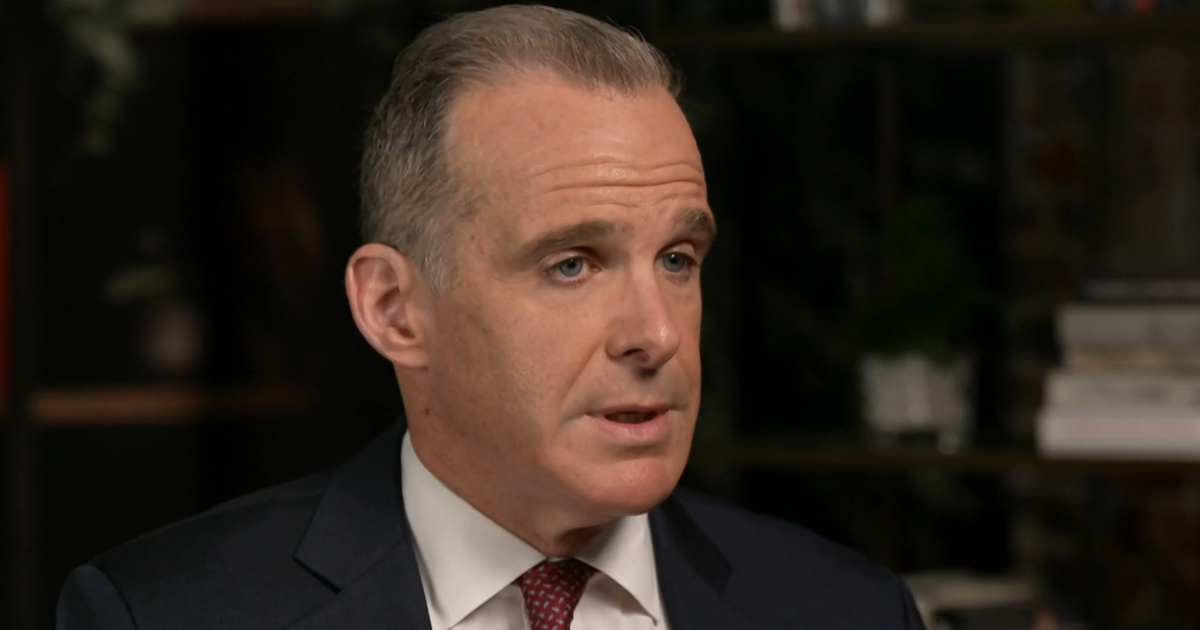
In April 2024, President Joe Biden was prepared to cut off weapons to Israel. The trigger was a Israeli drone strike that killed seven aid workers from World Central Kitchen in the Gaza Strip — an event that had already inflamed allies and congressional Democrats alike. Biden was, according to Brett McGurk, his senior Middle East adviser, thoroughly fed up with Benjamin Netanyahu.
You think I’m Santa Claus? No Santa in Israel, pal. That was Biden’s reported line to the Israeli prime minister during a private conversation around that same period.
The president had reached his limit. McGurk said cutting off American weapons to Israel was very much on the table. The U.S. is Israel’s largest supplier of munitions, and the leverage was real. But then Iran acted, and Biden’s hand was forced.
What the Iranian attack changed
McGurk described an unprecedented aerial assault by Iran that included 120 ballistic missiles, 170 drones and 30 cruise missiles, all launched to hit Israel simultaneously. The scale and coordination of the attack required the United States to deploy military forces alongside Arab and European partners to intercept the incoming projectiles.
Without that crisis, McGurk said, the administration would have moved forward with punitive measures against Israel. Instead, the immediate survival of a U.S. ally against an existential Iranian threat reset the calculus entirely.
The episode reveals how volatile the Biden administration’s Middle East posture was during its final year. What looked like a potential breaking point with Israel was swallowed by a larger strategic emergency — and the opportunity to signal consequences for Israel’s conduct in Gaza disappeared with it.
The intelligence that never came
McGurk also addressed the October 7 attacks, which he acknowledged were made possible by a catastrophic failure of imagination on Israel’s part. He told CBS News that the United States had no warning or indicator in its intelligence systems that Hamas was planning a massive strike.
But McGurk was careful not to let Israel entirely off the hook. He said Israeli security officials operated under a deeply ingrained assumption that Hamas was deterred and assuaged — an assumption he called false and tragic. Israel, he said, should launch its own official inquiry into the failure, similar to the commission that investigated the September 11 attacks in the United States.
Meanwhile, reporting by multiple outlets confirmed that the UAE’s Sheikh Mohammed bin Zayed did share a warning with Netanyahu in the weeks before October 7. The Emiratis learned that Hamas leader Yahya Sinwar was preparing something major, though they lacked specifics on timing or location. Netanyahu has denied receiving any such warnings.
The nuclear shadow over the final months
In late 2024, with hostage negotiations dragging on, McGurk accompanied national security adviser Jake Sullivan to Israel. There, Netanyahu discussed the possibility of striking Iranian nuclear facilities, including Fordow — a heavily fortified plant built inside a mountain that processed highly enriched uranium.
The Biden administration held a principals committee meeting to answer a single question: what would we do if Iran made a dash toward weapons-grade uranium? McGurk recalled unanimous agreement among attendees — they would strike Fordow. They simply never saw the evidence that would justify it.
Instead, they sent a stark message to Iran. Don’t even think about it.
Netanyahu, meanwhile, appeared to be contemplating exactly that kind of strike on his own. He would later order precisely that bombing during the Trump administration in June 2025, setting off a wider conflict with Iran eight months later.
The Saudi deal that never was
Perhaps the most consequential thread running through McGurk’s account is the near-miss with Saudi-Israeli normalization. Crown Prince Mohammed bin Salman first floated the idea to McGurk in January 2021, nearly two years before October 7. The proposed deal would have included a pathway to a Palestinian peace agreement — one of the most ambitious regional transformations since the Cold War.
McGurk reported the offer to Biden. The president did nothing.
Biden’s skepticism toward Saudi Arabia was well known. He had called MBS a pariah during the 2020 primaries over the murder of journalist Jamal Khashoggi. His administration’s engagement with Gulf states was driven primarily by necessity — Afghanistan evacuations in 2021, Russian oil shocks in 2022 — not strategic vision.
McGurk now calls that early neglect a mistake. He convinced Biden to travel to Saudi Arabia in 2022. The visit produced an iconic diplomatic stumble: Biden held Air Force One on the tarmac for 18 minutes while arguing with his aides over whether to shake MBS’s hand. McGurk encouraged the president to simply shake his hand. The resulting fist bump, McGurk said, set relations back.
By 2023, the normalization framework was taking shape, involving a U.S. pledge for a Saudi civil nuclear program and Israeli concessions on the Palestinians. October 7 shattered those talks. McGurk said he never found direct evidence linking Hamas to the attack as a move against normalization, but he acknowledged it would not surprise him. Hamas does not recognize Israel and wants to destroy it. Knocking the Saudi-Israeli agenda off the table fits the pattern.
The record that does not support the hawks
Critics within Biden’s own party argue he did not use America’s leverage forcefully enough against Israel. Senator Chris Van Hollen told Face the Nation that Biden sent Israel more bombs and more money after Netanyahu ignored his requests, pointing to existing legal provisions that could have blocked shipments to units violating human rights.
McGurk pushed back on that framing. Israel has one of the largest arms industries in the world, he noted — a pause in certain weapons transfers, like the 2,000-pound bombs the administration did restrict, would not have ended the war. More aggressive public pressure, he argued, would have hardened Hamas’ negotiating position and set back the hostage release process.
The ceasefire deal that freed remaining hostages came just days before Trump’s inauguration. Hamas released the last living hostages in October 2025, but the broader regional architecture McGurk had worked toward throughout the Biden years remains in ruins.
The Iranian attack that saved Israel from American wrath also demonstrated how thin the margins were. The next crisis will not be so conveniently timed.