The G-7 Diesel Release Is a Band-Aid on a War Economy
The G-7's agreement to release up to 100 million barrels of diesel and crude oil reveals how Middle East and Ukraine conflicts are now targeting everyday transport fuels—and the political calculus behind the move.
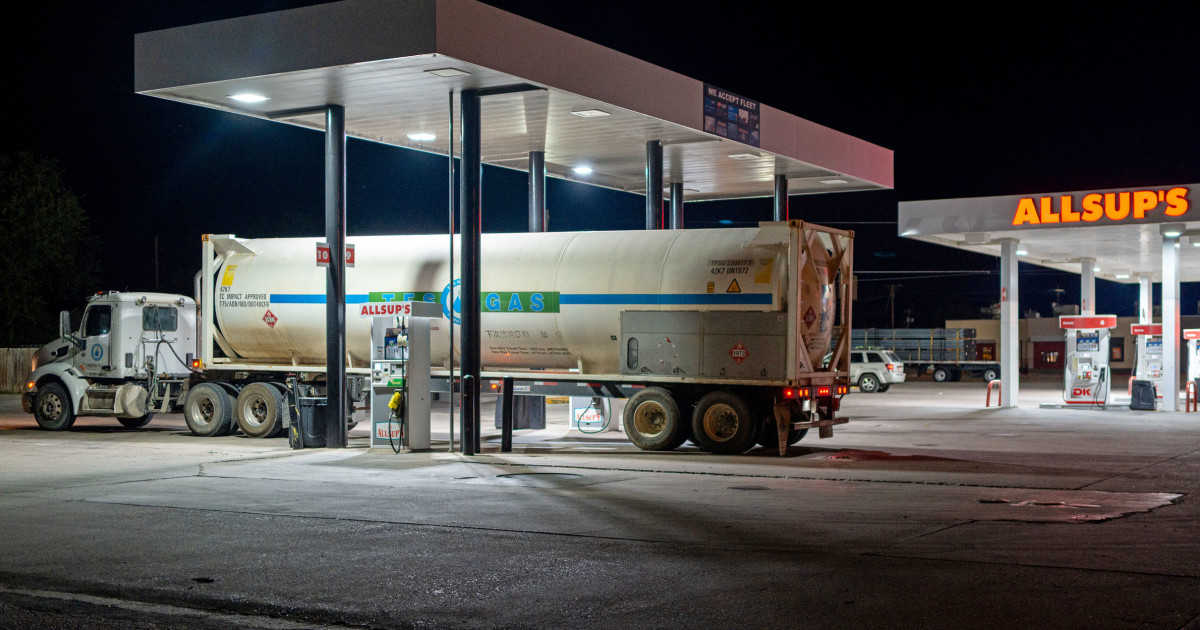
The G-7 is tapping its diesel vaults again. This time, the politics are more visible than the fuel.
French President Emmanuel Macron hosted a videoconference Friday that produced a familiar script: the Group of Seven agreed to release up to 100 million barrels of diesel and crude oil over four months, with a “substantial diesel release within the first 20 days.”
Donald Trump posted the announcement on Truth Social before most newsrooms had finished their Monday meetings. “Europe has just agreed to release a massive amount of their heavily stocked Diesel Oil,” he wrote. “The process will begin immediately.”
What Trump didn’t mention on his social media platform is that this release came after weeks of what Treasury Secretary Scott Bessent called a “pressure campaign” against European allies—particularly Germany and France, which hold the lion’s share of the EU’s diesel reserves. The message was clear: America’s farmers, truckers, and businesses should not bear the burden of a global diesel shortage alone.
The subtext, of course, was election math. With the November 3 midterms approaching, Republicans face a wall of poor economic polling. Just 41% of registered voters approve of Trump’s handling of the economy, according to NBC News. Sky-high gas prices are a political liability. The reserve release offers a timing gift: diesel prices could dip in the critical months leading up to the vote, even if the effect is temporary.
Diesel is the new frontline in the energy war
The urgency behind this announcement is no accident. Gasoline has been surging since the United States and Israel attacked Iran on February 28. But diesel tells a different, sharper story. It spiked again this summer as the Russia-Ukraine war escalated in July. Since late February, the average U.S. diesel price has climbed 70 percent to $6.37 a gallon.
That’s not just inflation. That’s a structural shift in how warfare translates into pump prices.
Oil analyst Andy Lipow noted that the 100 million-barrel release could effectively replace Russian exports that have been banned as Ukrainian drone strikes have severely reduced Russian refining capacity. The logic is sound, but so is Lipow’s caveat: a release of this magnitude might temporarily reduce diesel prices by 25 cents per gallon, but it does little to increase refinery capacity to produce more.
Strategic reserves are a buffer, not a solution. They buy time. They don’t build capacity.
The International Energy Agency already approved a 400-million-barrel crude oil release in March. It helped ease the crunch temporarily. Prices rose again. Brent crude, down 3 percent in anticipation of Friday’s announcement, still hovered above $100 a barrel. Year to date, Brent is up more than 60 percent.
The pattern is repetitive: release reserves, catch a breather, watch prices climb again. The question now is how many rounds of this game the markets—and the politicians—can play before the reserves run thin.
The export ban contradiction
Perhaps the most revealing detail of the week came not from the G-7 statement but from its shadow. Trump has been openly considering a U.S. diesel export ban. The move would hit European Union countries and the United Kingdom especially hard. The EU responded Friday by fully rejecting any ban on diesel, with a European Commission spokeswoman calling such a restriction “not beneficial to anyone.”
It’s a peculiar position for an American president to occupy: pressuring allies to open their reserves while simultaneously contemplating restrictions on American fuel exports. The contradiction exposes the fragility of the current energy alliance. Trump is asking Europe to share its diesel while keeping the option open to cut off the U.S. market entirely.
European Commission President Ursula von der Leyen welcomed the decision of G-7 countries not to impose export bans, calling it evidence of continued solidarity between partners. But solidarity is a thin word for what’s really a transactional relationship. The Europeans are sharing reserves because they fear American protectionism. The Americans are pressing for releases because their voters are angry at prices. Both sides are managing political risk, not solving an energy problem.
What East Asia should be watching
For import-dependent economies like Japan and South Korea, the G-7 diesel release is both a relief and a warning. These countries import nearly all of their energy. When global diesel supplies tighten—whether from Russian sanctions, Middle East conflict, or refinery capacity constraints—they feel it first and worst. Japan and Korea have already weathered sharp price spikes in recent years. The prospect of another wave of diesel inflation is not hypothetical.
The good news: the 100 million-barrel release, combined with the earlier IEA crude initiative, adds roughly 14 million barrels of diesel-equivalent supply to global markets over four months. That’s meaningful volume. The bad news: it’s a finite cushion. Once those barrels are gone, there is no Plan B built into the current framework.
Refinery coordination is the second prong of the G-7 agreement. Leaders committed to coordinating maintenance schedules for oil refineries across member countries to prevent simultaneous capacity shutdowns. That sounds technical but matters practically—if two major refineries in different countries shut down at the same time, the global diesel supply tightens further. Synchronizing those outages could buy incremental capacity without a single new barrel being drilled.
Still, even coordinated maintenance schedules won’t prevent the next supply shock. The real lesson from this episode is that the world’s industrial economies are now fighting defensive wars on multiple energy fronts. Russia-Ukraine has damaged refining capacity. Iran conflicts have disrupted supply routes. Climate policy has constrained new investment. The result is an economy where energy security depends less on producing more and more on managing scarcity.
For Japan and Korea, the implication is stark: they cannot outlast a prolonged supply squeeze by waiting for reserves to be released. Their strategy needs to shift from reactive purchasing to proactive diversification—nuclear restarts, LNG long-term contracts, and alternative fuel investments that reduce dependence on the very diesel markets the G-7 is struggling to stabilize.
The G-7 release is a bandage on a wound that hasn’t stopped bleeding. The question isn’t whether it will work—it will, briefly. The question is what happens when the next shock arrives and the vaults are already half-empty.