Germany's 2045 Fossil Fuel Exit Is a starting Line, Not a Finish
Germany has committed to ending fossil fuel reliance by 2045, becoming only the third European country with such a roadmap. But policy without teeth risks being another climate declaration — and the geopolitical stakes go far beyond Berlin.
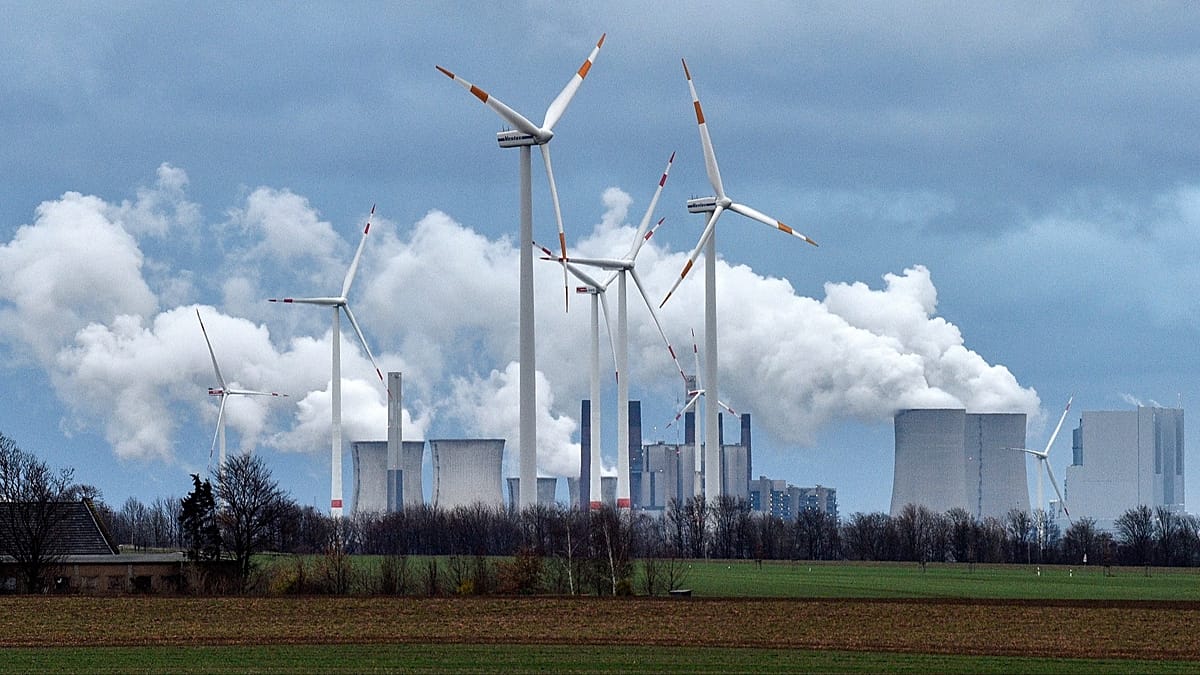
The Three Who Said Yes
Three European countries have published roadmaps to phase out fossil fuels: France, the Netherlands, and now Germany. The number sounds like progress until you read the details.
France aims for 2050. The Netherlands has no binding end date. Germany picked 2045 — the earliest target, the most ambitious signal. But the gap between announcing a deadline and hitting it is where most climate promises go to die.
Germany’s environment minister, Castern Schneider, was blunt about why the country is moving now. The war in Iran has sent oil and gas prices skyrocketing. “If the situation in the Strait of Hormuz determines whether people can still afford their daily commute to work, that is not a good state of affairs,” he said. That framing — energy security as the driver, not just climate idealism — is the one that makes this plan different from the usual green declarations.
What the Roadmap Actually Says
The plan has three pillars: renewable power build-out, electric vehicle adoption, and using the EU carbon trading scheme to push industrial polluters off fossil fuels. It is a policy trinity that Germany has been circling around for years. The question is whether 2045 gives the machinery enough time to actually turn.
Former German climate envoy Jennifer Morgan called the roadmap “only the starting line.” She argued the strategy needs to be backed by a faster, more deliberate phase-out paired with green electrification rollout. That is a generous reading. The roadmap itself contains no year-by-year phase-down schedule for coal, oil, or gas. It contains no budget. It contains no enforcement mechanism. It contains a target date and a set of directions.
That is not unique to Germany. France’s plan同样 lacks detail on how it will replace the oil and gas it imports. The Netherlands explicitly avoided committing to an end date. Across Europe, roadmaps are becoming the new currency of climate politics — cheap, visible, and legally unbinding.
Who Wins, Who Loses
The auto industry is the first loser on paper. Germany’s carmakers — Volkswagen, BMW, Mercedes — have built their empires on internal combustion. The roadmap pushes EVs, but there is no mention of how the transition will be managed, what happens to suppliers, or how competitive these companies remain against Chinese manufacturers who already dominate the EV supply chain.
Coal-dependent regions outside Europe will feel this too. Germany’s phaseout creates demand for alternative coal exporters. Countries like Indonesia, South Africa, and Colombia could see increased sales as Germany stops exporting the political problem of coal — but imports the economic consequences elsewhere.
Heat pump manufacturers, on the other hand, stand to gain. The roadmap mentions electrification but does not specify building heating. That is a gap. Europe’s residential heating sector is one of the largest remaining sources of fossil fuel demand, and Germany has not yet committed to the kind of building retrofit program that would make 2045 plausible.
The Geopolitical Signal
Germany’s announcement comes after the UN Secretary-General’s Climate Summit, where António Guterres urged all governments to adopt formal national plans with clear timelines. It also follows COP30 in Belém, where more than 90 countries backed a roadmap framework — only for oil-producing nations to scrub the language from the final deal hours before closure.
Germany is effectively stepping into a vacuum. The petro states blocked multilateral action. Berlin is choosing unilateral signaling. That matters because Germany is Europe’s largest economy and the bloc’s most credible industrial power. If it commits to 2045, it forces every other European country to either match the timeline or admit they are willing to lag behind.
France’s 2050 target already looks softer by comparison. The Netherlands’ lack of a binding date is worse. Spain, Italy, and Poland have not published anything at all. Germany’s roadmap may not change global emissions trajectories, but it changes the political landscape inside Europe — and that is where the real leverage lies.
The Enforcement Gap
The EU carbon trading scheme is supposed to drive industrial polluters away from fossil fuels. But the system has been unstable since its inception. Prices fluctuate. Free allowances persist. Companies have learned to budget around the uncertainty rather than against it. Using ETS as the primary enforcement tool for a 2045 phase-out is like trying to steer a ship with a compass that points in four directions at once.
Linda Kalcher of Strategic Perspectives noted that all three European roadmaps fall short of what is needed to improve energy security by lowering dependence on volatile fossil fuel imports. That is an understatement. France still relies heavily on imported oil. Germany imports a significant share of its natural gas. Neither country has built the domestic renewable capacity that would make their targets credible.
What Comes Next
The roadmap is a beginning, not a plan. The next twelve months will determine whether Germany treats 2045 as a deadline or a decoration. Key indicators to watch: whether the government publishes sectoral phase-out schedules, whether it allocates specific budgets for grid modernization and building electrification, and whether it imposes meaningful restrictions on new fossil fuel infrastructure — including the LNG terminals it has been building to replace Russian gas.
If Germany fails to deliver, it sets a dangerous precedent. Other countries will point to Berlin’s shortcomings as proof that ambitious timelines are politically impossible. If it succeeds — even partially — it raises the cost of inaction for everyone else.
The roadmap is only the starting line. The race hasn’t begun yet.