Germany's Power Grid Under Siege
Explosive devices found near a Brandenburg power station mark the second sabotage attempt on German energy infrastructure in weeks. Together with the Leipzig airport drone plot, they signal a coordinated campaign against EU critical infrastructure.
A Substation, a Drone, and a Pattern Emerging
Police in Brandenburg found several homemade explosive devices near an electrical substation outside Berlin on Tuesday morning. The devices — described by grid operator 50Hertz as small rockets resembling New Year’s Eve fireworks — were discovered after an operator noticed potential damage to power lines at the Turnow-Preilack substation around 8 a.m. Some had already been launched. Others were still unexploded, waiting for someone to press the button.
A brief power cut followed. All lines are back online now. But the real damage here is not electrical. It is psychological. And it is part of a pattern that Berlin is only beginning to articulate publicly.
This is the second sabotage attempt on German energy infrastructure in under three weeks. In January, suspected far-left extremists set fire to high-voltage power lines near a station in southwest Berlin, cutting power to 45,000 homes for days. In March 2024, another group torched an electricity pylon that supplied the Tesla factory in Grünheide, halting production for several days. Now, in the space of a single month, two more attacks on the same grid system — this time with explosives, not arson.
Interior Minister Alexander Dobrindt did not mince words. Speaking alongside Foreign Minister Johann Wadephul, he said Germany was not at war but was a daily target of hybrid warfare. He called the Leipzig airport drone incident and the Brandenburg substation attack part of the same long series of destabilization operations against Europe. The Russian government has not confirmed anything. But Berlin is now connecting dots that previously hung in the air.
The Leipzig Drone and the Brandenburg Bomb
The two incidents are geographically close and thematically linked. On August 4, German authorities found an explosives-laden drone in the security area of Leipzig/Halle Airport, parked near Ukrainian cargo planes. Leipzig sits in Saxony, directly east of Berlin. The Turnow-Preilack substation is in Brandenburg, southeast of the capital. Both sites feed the same regional grid. Both represent the kind of soft target that requires minimal resources to attempt and maximum disruption to achieve.
The drone at Leipzig was discovered before it could be armed and deployed. The explosives at Brandenburg were found before they could detonate. In both cases, the perpetrators came close enough to matter but not close enough to succeed — which is exactly how hybrid warfare operates. It is designed to erode confidence, not to destroy capability. Every close call makes institutions second-guess themselves. Every discovered device raises the question: what got through? What did we miss?
Brandenburg State Premier Dietmar Woidke called it an attempted attack. He noted the worryingly high frequency of such incidents. He was right to. Frequency is the weapon here.
Who Benefits From Fear Without Violence
Hybrid warfare differs from conventional conflict in its economics. A single rocket launcher costs more than the fireworks-rocket devices police found at Turnow-Preilack. A modified drone costs more than the bomb disposal experts who will now sweep the Brandenburg substation. Yet the psychological return on investment is outsized. When a government announces that its energy grid is under sustained sabotage, investors notice. Residents notice. Allies wonder if the threat is bigger than the response.
The German government’s own assessment, as reported by multiple outlets, concludes that Russian intelligence services were behind the Leipzig drone. No formal attribution has been made yet, but the press conference scheduled for Tuesday afternoon will likely change that. Countermeasures are being prepared: expelled diplomats, a closed consulate in Bonn, the termination of the lease on the Russian House in central Berlin — a building Moscow calls a cultural center and Berlin now calls a propaganda hub.
The timing is deliberate. Two infrastructural attacks within weeks, followed by a diplomatic escalation, sends a message to Moscow that Berlin is paying attention. It also sends a message to Brussels and NATO that the threat is real and accelerating.
The Infrastructure Question
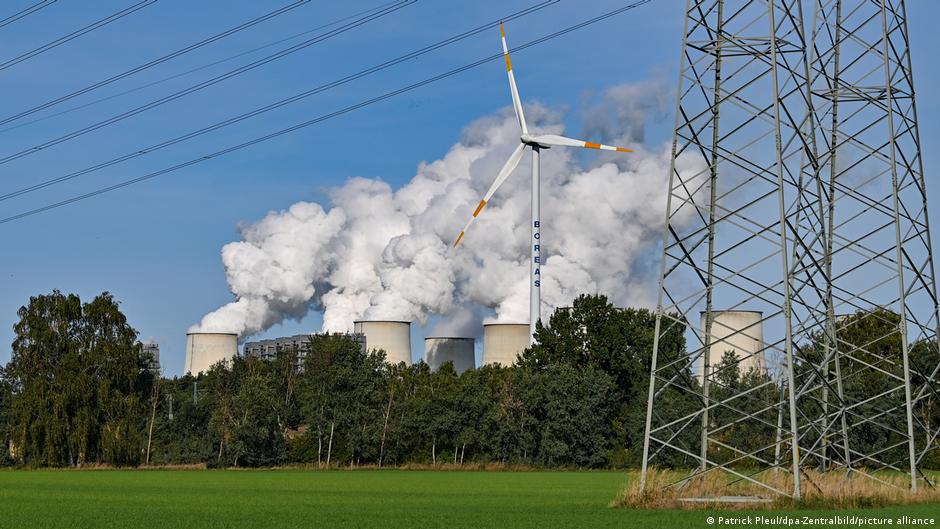
What makes the Brandenburg attack particularly serious is what it targeted. The Turnow-Preilack substation is where electricity from the Jänschwalde power plant — a coal-fired facility built between 1976 and 1989 — is distributed across the region. This is not a minor distribution node. It is a regional hub. Disrupting it could cascade. A prolonged outage at this substation would affect thousands of homes and businesses across eastern Brandenburg and potentially the outskirts of Berlin.
Germany has spent years building energy resilience since the Ukraine war forced a reckoning with Russian gas dependence. The country液化 natural gas terminals are operational. Coal plants remain on standby. Wind and solar capacity has grown. But none of that matters if the physical grid — the wires, substations, and transformers that move electricity from producer to consumer — cannot be protected.
The January arson attack on Berlin power lines left 45,000 households without electricity for days. The March pylon attack at Grünheide stopped Tesla production. The current attempts use explosives instead of fire. The escalation in method is notable. So is the persistence.
NATO’s Blind Spot
NATO allies are watching. But the alliance’s public framework for counting hybrid attacks remains incomplete. Cyber intrusions into critical infrastructure get classified; physical sabotage gets less attention unless it causes mass casualties. The Leipzig drone and the Brandenburg explosives fall into a gray zone — not quite acts of war, not quite crimes. That gray zone is where hybrid warfare thrives.
What NATO should be watching closely is the coordination element. Two attacks on energy infrastructure in weeks, plus a drone plot at an airport, plus the ongoing pressure on the Russian House — these are not isolated incidents. They represent a multi-vector campaign designed to stretch German security responses thin across multiple domains simultaneously. Diplomacy, cyber, physical infrastructure, political instability. Each vector is manageable alone. Together, they create a constant state of low-grade crisis.
German officials have insisted the country is not at war. That may be technically correct. But treating hybrid warfare as something separate from armed conflict is a mistake. The line between the two is precisely what Russia is testing. The question for Berlin and its allies is whether they will draw it before the next device explodes.