Why God of War Making Kratos’s Wife the Lead Is a Franchise Pivot, Not a Gimmick
Santa Monica Studio is putting Laufey — Kratos's late wife — at the center of a new God of War set in the Japanese concept of Yomi. It's the first time the franchise drops its iconic mascot as the playable hero, and the creative stakes are enormous.
The Quiet Revolution in God of War
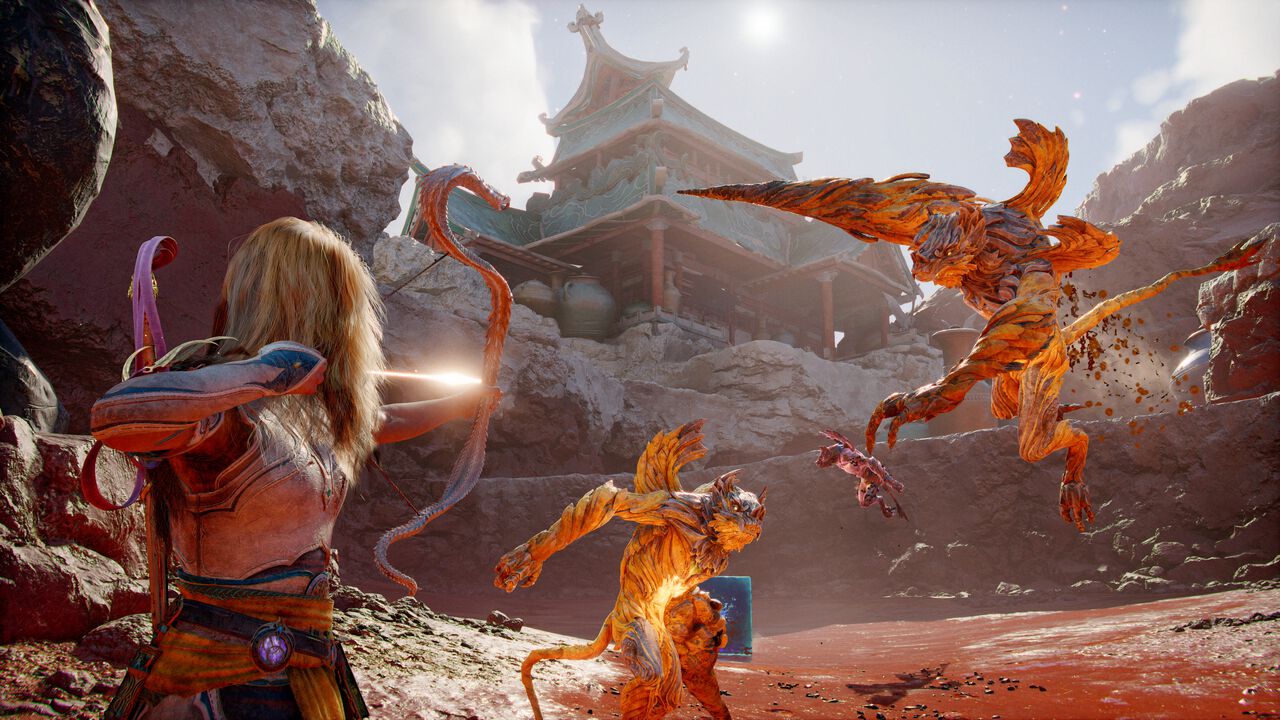
Santa Monica Studio just announced something that will split the God of War fanbase into two camps overnight. The next entry, launching February 16, 2027 for PS5, stars Laufey — Kratos’s wife, known as Faye in the Norse games — as its playable protagonist. The story is set in Yomi, the Japanese concept of the land of the dead, where Laufey must fight through warring gods to rescue Kratos and their son Atreus.
This is not a spin-off. It is not a DLC chapter. It is a mainline God of War game, developed by the same studio, produced by Sony Interactive Entertainment, and priced at 8,980 yen for the standard edition or 9,980 yen for the Digital Deluxe. Pre-orders opened September 29, 2026. The creative gamble is real, and so is the risk.
What We Know About the Game
The press release, first published by Famitsu, paints a clear picture. Laufey awakens in an unfamiliar afterlife realm after the death that ended the 2018 game. She learns that Kratos and Atreus are in mortal danger. Her response is straightforward: she goes into Yomi alone.
Yomi is not a setting Santa Monica Studio invented. It is a centuries-old Japanese concept — the永恒之国, the land of the dead where spirits linger. The studio is using it as a battleground where gods from various mythologies gather, fight, and vie for power after death. That is a deliberate expansion of the franchise’s mythological map. The Greek gods are gone. The Norse pantheon was retired in 2018’s ending. Yomi gives the series an entirely new stage, and one rooted in a tradition the franchise has never touched.
Laufey is described as agile and skilled, fighting gods and monsters without mercy. She carries weapons named after a track on the soundtrack — “Dark Alchemy” — which includes a bow, blades, and a catalyst. The Digital Deluxe edition bundles these along with a digital art book, the full soundtrack, and an in-game resource pack. Early purchasers receive cosmetic armor and a character appearance called “Golden Leaf.” None of these details suggest a lightweight companion piece. They suggest a full, serious entry in the series.
Why This Matters Beyond Hype
The first non-obvious implication here is that Santa Monica Studio is testing whether the God of War brand can survive without Kratos as its face. The answer to that question will shape the franchise for a decade.
Kratos has carried this series since 2005. He is one of the most recognizable characters in gaming history. Yet the same studio that deconstructed him over two games — forcing him into fatherhood, grief, and tenderness — now appears willing to let him become a supporting character in his own universe. That is not a small creative decision. It is a statement that the world of God of War is bigger than any single person, even the Red Bladed God.
The second implication is cultural. Yomi is a Japanese mythological concept. A major Western AAA franchise built on Greek and Norse settings is now centering a story in a realm drawn from Japanese folklore. The precedent is thin. When Western studios use Japanese mythology, they tend toflatten it into aesthetic backdrop. If Santa Monica Studio approaches Yomi with the same depth it brought to the Norse realms, this could mark a genuine shift in how global games engage with non-Western mythological traditions.
The third implication is commercial. Laufey is already known to the franchise’s core audience. Players who finished God of War (2018) remember her as the mother who died protecting her family. Putting her at the center transforms a supporting figure into a protagonist, which means the game has to do more than rely on nostalgia. It has to earn its emotional weight from a new angle. That is harder than it sounds, and it is why some fans are already skeptical.
Who Wins, Who Loses
Santa Monica Studio wins if this works. A successful Laufey-led God of War proves the franchise can evolve without burning its most valuable IP asset. It also opens the door for future entries that explore different corners of the series’ expanding mythology.
The casual fanbase may lose something. Kratos is the magnet. Removing him from the lead role risks alienating players who signed up for the Spartan rage fantasy, even the softened version from 2018. Those players are not wrong to feel uncertain. But uncertainty is not the same as failure.
Laufey herself wins the most, if the writing is honest. She has spent two games defined by her death and her absence. Making her the active hero — someone who chooses to enter the afterlife, fight gods, and save her family — is exactly the kind of narrative payoff the franchise has been building toward since 2018.
What Happens Next
February 2027 is still months away. What we have now is a press release, a release date, a price, and a premise. The actual gameplay, the tone, the combat mechanics — all of that remains unknown. The fact that this was announced first in Japan, through Famitsu, before English-language outlets picked it up, is worth noting. Sony is clearly treating this as a global launch with a priority window that runs through Asian markets first.
If the game delivers on its promise — a emotionally grounded story told through Laufey’s eyes, set in a richly realized Yomi, with combat worthy of the God of War name — then this pivot will look prescient. If it stumbles, the franchise may spend years trying to recapture the Kratos magic.
Either way, the message is clear: God of War is no longer just Kratos’s story. It is bigger than him now, and that is both the greatest opportunity and the greatest risk the series has ever faced.