GTA 6's Doubled Map Changes Everything for Open-World Games
Rockstar confirms GTA 6's map is twice as large as GTA 5 with dynamic weather, setting a new benchmark that will pressure competitors and redefine player expectations for open-world design.
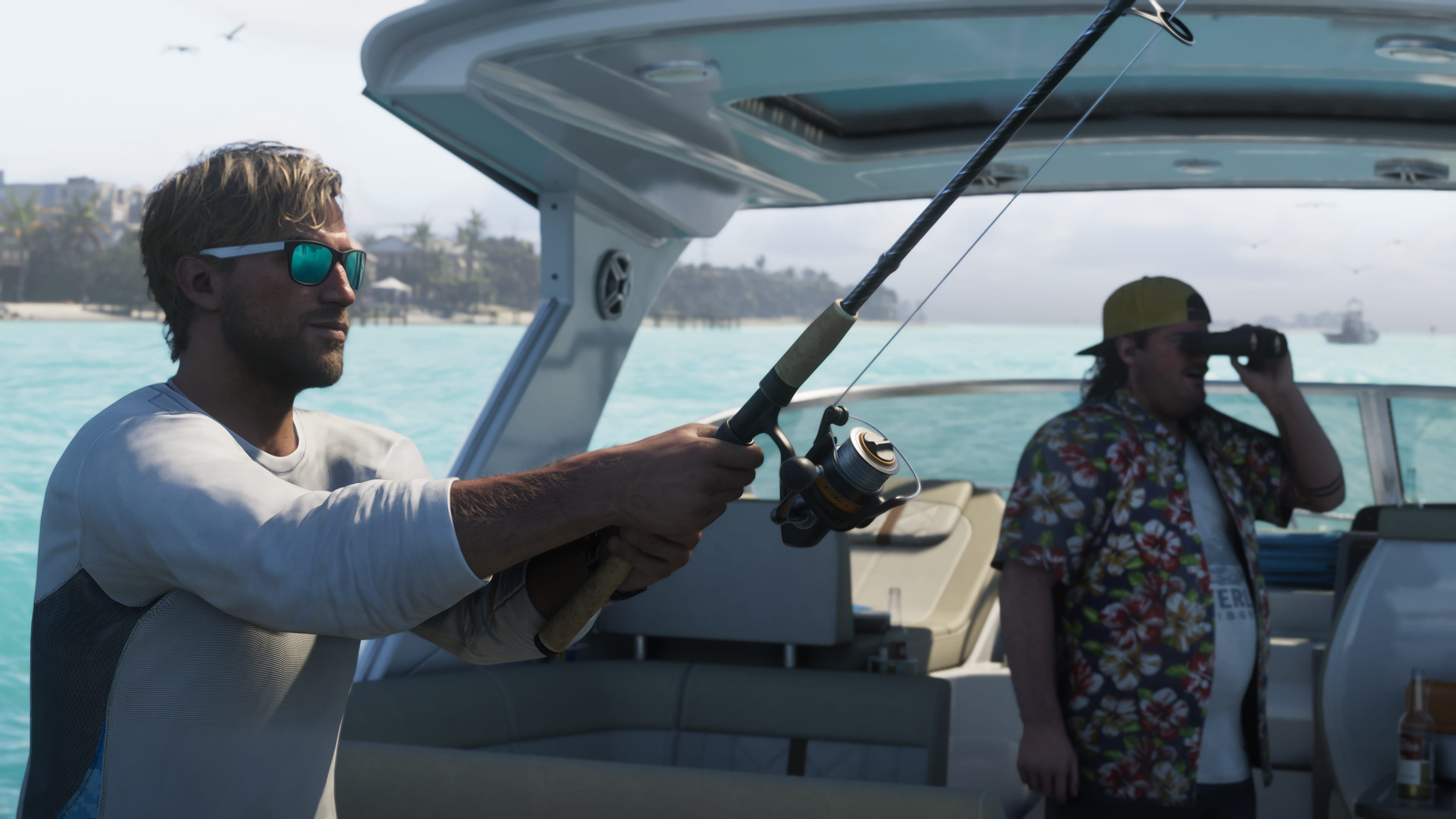
The Scale That Changes the Game
Rockstar Games isn’t just making a bigger map for Grand Theft Auto VI—it’s redefining what players expect from open-world design. The official confirmation that Leonida will be twice the size of GTA 5’s Los Santos area, with fully dynamic weather systems including hurricanes and tropical storms, signals a seismic shift in an industry already pushing the boundaries of virtual worlds.
This isn’t merely about more square miles to explore. It’s about a fundamental escalation in production ambition that will force competitors to either follow suit or risk irrelevance. For a franchise that already dominates sales figures and cultural conversations, this move raises the stakes for everyone else.
Beyond Size: The Weather Revolution
The most significant innovation lies in the weather system. According to Rockstar’s vice president of art and lighting, Owen Shepherd, the team has “re-engineered” their approach to create localized, persistent conditions across Leonida. This means players might stand in clear sunshine one block away from heavy rainfall—a phenomenon that mirrors Florida’s unpredictable climate.
“We wanted the world to feel dynamically solid,” Shepherd told Game Informer. This isn’t just visual spectacle; it’s environmental storytelling that enhances immersion. When water pours from rooftops during storms or cumulonimbus clouds roll across the horizon, the world feels alive in ways previous GTA titles never achieved.
For developers, this represents a substantial technical leap. Simulating weather patterns that vary regionally requires advanced algorithms and significant processing power. It also demands that players invest in more capable hardware to run these simulations smoothly—a move that could alienate some of the franchise’s casual audience.
The Six Regions: A World Built for Obsession
Aaron Garbut, Rockstar’s head of development, describes Leonida as “the biggest map Rockstar has ever created ‘by some degree.’” The world is divided into six distinct regions, each drawing inspiration from different parts of Florida:
- Vice City: The urban core modeled after Miami’s Art Deco district and cruise ports
- Leonida Keys: A recreation of the Florida Keys archipelago
- Grassrivers: Everglades-inspired wetlands teeming with wildlife
- Port Gellhorn: Declining tourist areas with rundown motels and shopping centers
- Ambrosia: Industrial heartland dominated by factories and biker gangs
- Mount Kalaga National Park: Northern wilderness reflecting Florida-Georgia border culture
This regional diversity isn’t just aesthetic—it’s a design philosophy that prioritizes hand-crafted environments over procedural generation. Every rooftop, alley, and interior space received obsessive attention, creating a cohesive whole where density of content meets quality of detail.
The Economic Reality Check
Doubling the map size while maintaining—or exceeding—the level of detail from GTA 5 carries enormous financial implications. Industry analysts estimate that such ambitious projects can cost between $200 million and $500 million to develop, excluding marketing expenses.
Rockstar’s parent company, Take-Two Interactive, has publicly stated that GTA 6 will be “the largest entertainment launch in history.” This isn’t hyperbole; it reflects the reality that matching this scale requires massive budgets and years of development time. For smaller studios, competing head-to-head with this level of investment becomes nearly impossible.
The weather systems add another layer of complexity. Simulating realistic storm behavior across a vast landscape demands sophisticated physics engines and rendering capabilities. These aren’t trivial technical hurdles—they represent significant R&D costs that could price out mid-tier developers attempting similar ambitions.
Competitive Pressure and Genre Evolution
This announcement sends shockwaves through the gaming industry. Competitors like Ubisoft (Assassin’s Creed series), EA (The Sims franchise), and even Sony’s first-party studios now face pressure to elevate their own open-world offerings. The question isn’t whether they can match Rockstar’s scale, but whether they should attempt it.
For years, the industry has discussed “open-world fatigue”—concerns that players are growing weary of massive maps filled with checklist objectives. GTA 6’s approach suggests a different solution: rather than reducing scope, increase the quality and dynamism of existing worlds. Weather that affects gameplay, diverse ecosystems with over 170 animal species, and activities ranging from base jumping to scuba diving create environments that feel truly alive.
This could accelerate a trend toward “living worlds” in gaming, where environmental systems respond to player actions and create emergent narratives. The implications extend beyond GTA; future open-world titles may need to incorporate similar dynamic elements to remain competitive.
Player Expectations and the Future of Franchises
Longtime fans of the series will notice immediate differences. GTA 5 launched in 2013 with a world that felt groundbreaking at the time; GTA 6 aims to make that feel modest by comparison. The promise of localized weather, diverse wildlife, and detailed interiors represents a generational leap in sandbox design.
However, this also raises expectations that developers must consistently meet. If GTA 6 delivers on these promises, subsequent entries will need to push boundaries further—a race that could eventually strain resources or lead to diminishing returns. Alternatively, if the execution falls short, the backlash could be severe given the enormous investment involved.
For competitors, the lesson is clear: standing still isn’t an option. The bar has been raised significantly, and audiences now expect open worlds that feel genuinely dynamic rather than static playgrounds. This could benefit consumers long-term through increased innovation and competition, but it also raises the financial risks associated with developing such ambitious titles.
The Bottom Line for an Industry
GTA 6’s expanded map and weather systems represent more than a technical achievement—they signal where the open-world genre is heading. As Rockstar demonstrates that larger, more dynamic worlds are commercially viable, expect competitors to respond with their own ambitious projects. The question remains whether the industry can sustain this arms race without increasing costs to unsustainable levels or sacrificing creativity for spectacle.
For now, however, Rockstar holds the high ground. Their willingness to invest in such an ambitious vision suggests confidence that players will reward the extra effort—a gamble that could redefine expectations for all open-world games coming in the next decade.