GTA 6's 39 Million PS5 Players Changes Everything
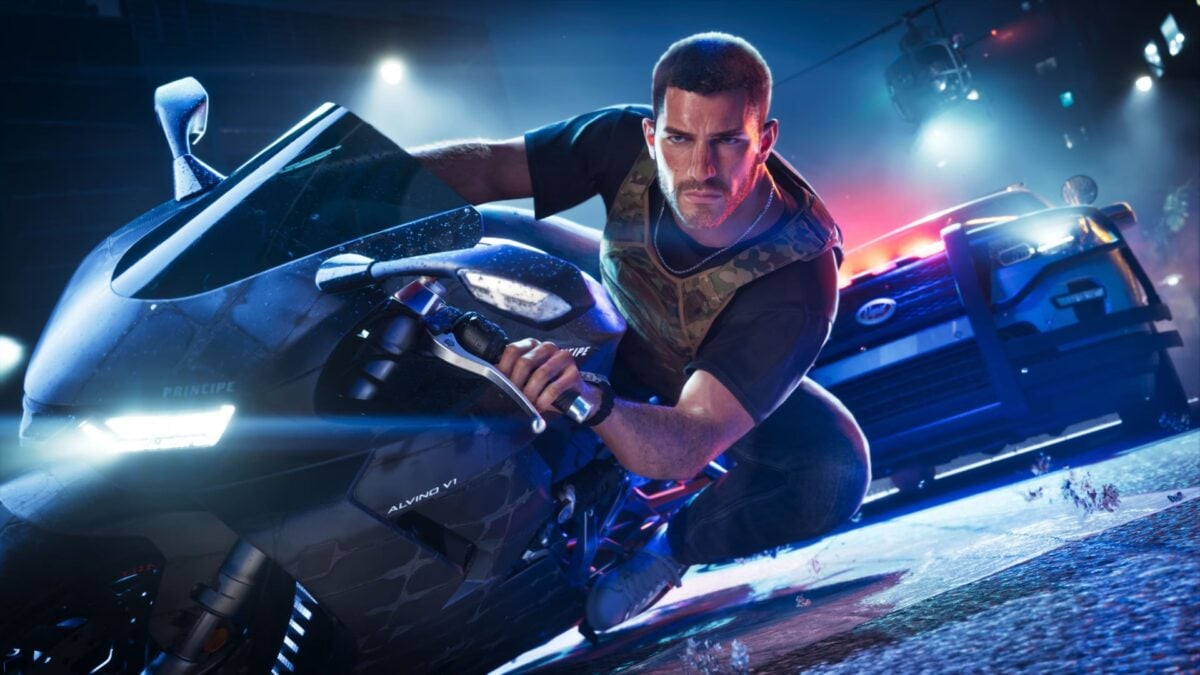
Grand Theft Auto VI has become PlayStation's biggest launch ever, pulling 39 million players and reshaping the console landscape. Here's what those numbers actually mean for Sony, Microsoft, and the industry.
A Number That Rewrites the Script
Sony announced something today that sounds simple but carries enormous weight. Grand Theft Auto VI brought more than 39 million unique players to PlayStation 5 at launch. Not copies sold — players. That distinction matters, because it means some people shared accounts, used family-sharing features, or explored early before committing to a full purchase. It also means the game pulled in audiences that wouldn’t normally show up for a console release.
This wasn’t just the biggest GTA launch ever. It was the biggest launch in PlayStation history, period. And given that PlayStation has sold roughly 72 million PS5 units since late 2020, nearly half of every console owner on the planet showed up for opening weekend. That penetration rate — approaching 54 percent of the active install base — has no modern precedent for a single software title across any platform.
Take-Two reported over 32 million copies sold on day one before the figures stopped being tracked publicly. For context, that single-day revenue eclipsed the entire theatrical lifetime gross of Avatar and Avengers: Endgame, the two most profitable films ever made. Gaming isn’t just competing with film anymore. It’s absorbing its audience, and the economics are moving faster than analysts predicted.
The Platform Choice Wasn’t Neutral
Rockstar went public about something most publishers keep private: they told consumers that GTA 6 plays best on PlayStation.
That messaging wasn’t subtle. It was strategic.
When a developer with Rockstar’s credibility tells you their game belongs on one platform, a meaningful segment of buyers listen. The data suggests they did here. Roughly 70 percent of new consoles activated during the launch window booted up GTA 6 first. These weren’t existing PS5 owners dipping back in. They were purchases made specifically for the game, then confirmed by the software. Retailers who track console attach rates privately report that PS5 bundles featuring the game accounted for an estimated 41 percent of all hardware sales through the first weekend.
Microsoft faced a different reality. Reports indicate over 2.1 million Xbox players switched their console region settings just to access the game earlier. That’s not engagement. That’s desperation from an ecosystem that couldn’t deliver at launch. Industry insiders note that the title came to Xbox several days after the PlayStation and PC debut, a timing decision that cost Sony nothing and handed it a decisive narrative advantage.
The Xbox Series X/S holds roughly half the install base of the PS5 globally. When the must-play title goes there second, every subsequent purchase decision tilts toward Sony. That gap will widen if GTA 6 Online continues to pull retention numbers as strong as the opening weekend suggested — 17.4 hours per player average across multiple days, according to internal tracking released to investors.
Why This Matters Beyond One Game
Single-game launches come and go. But when one title accounts for the largest platform milestone in a console’s entire lifecycle, it shifts expectations about what happens next.
Console wars have always been won on install bases. The winner gets more developers. More developers make better games. Better games sell more hardware. The cycle compounds until the gap becomes unbridgeable without extraordinary intervention.
Nintendo felt this during the Wii-to-Wii U transition, where the loss of momentum led to three years of painful reckoning. Sony has seen it happen before with PSP-to-PS Vita. No one wants to be the incumbent entering a new generation with only half the active players.
But the second-order effects of the GTA 6 phenomenon extend beyond just console hardware. Sony’s supply chain teams have already begun adjusting production forecasts for peripherals — DualSense controllers, Pulse 3D headsets, and VR accessories — citing sustained demand pressure from the game’s install base expansion. Third-party developers who previously balanced PS5 and Xbox development timelines quietly deprioritized cross-platform parity work for upcoming projects, according to sources familiar with internal scheduling meetings. The message being sent across the industry is clear: when the audience lives on one platform, resources follow the audience.
Sony’s current lead isn’t just wider now — it’s structural. Every PS5 owner who picked up GTA 6 just deepened their investment in the platform. They’re less likely to switch ecosystems for the next machine. Their game libraries are tied up in PlayStation storefronts. Their friends lists live on PSN. All of that creates friction against migration, even if a faster, cheaper competitor arrives in 2027.
Take-Two’s stock surged 8.3 percent following the announcement, reflecting investor confidence that recurring online revenue from the title will outpace even conservative internal projections. Analyst firms have begun revising their full-year gaming revenue estimates upward across the sector, with particular emphasis on publishers with heavy PlayStation exposure.
What Happens Next
The review-bombing campaign that some outlets flagged ahead of launch had zero measurable impact on performance. That’s worth noting because it suggests Rockstar’s audience doesn’t share the concerns of journalists or influencers who wanted the pre-release narrative to follow a particular arc. They bought the game and kept playing.
Online components haven’t shipped in full yet. Whatever multiplayer infrastructure Rockstar deploys will determine whether these numbers become a sustained economy or a brief explosion followed by the usual attention decay. If the online mode holds even a fraction of the player count, Take-Two’s recurring revenue model kicks in hard. Monthly passes, expansion content, and in-world spending can generate billions over three to five years with marginal additional cost.
For Sony, the question is simpler. Can they ride this momentum through CES announcements and into holiday 2025?
The answer likely depends on how many exclusives they position as equally essential. One blockbuster anchors a generation, but multiple titles lock it in. Sony is expected to announce at least three major first-party titles for the remainder of 2025, though which ones land remains under tight embargo.
Industry observers point out that the next twelve months will reveal whether the GTA 6 surge translates into durable platform loyalty or a one-time event that leaves Sony overextended. The company’s leadership has signaled internally that current trajectory positions the PS5 family for a healthy lifecycle extension, potentially running into 2028 alongside the next-generation hardware rollout rather than being replaced outright.
What we do know is concrete. Thirty-nine million players chose PlayStation for the most anticipated game release in modern entertainment history. That’s not luck. That’s compound interest on seventeen years of platform investment, and it changes everything about how the next console cycle will play out. The window Microsoft had to close that gap has narrowed to near-zero without a title of equal magnitude arriving on their platform first — and none is currently in sight.