Hormuz Tanker Attacks Mark New Phase in Iran Conflict
Iran's claim that six tankers struck mines in the Strait of Hormuz represents the most dangerous escalation yet in the U.S.-Israel-Iran conflict — and signals a strategy to weaponize the world's most sensitive energy chokepoint.
The Water Is Getting Darker
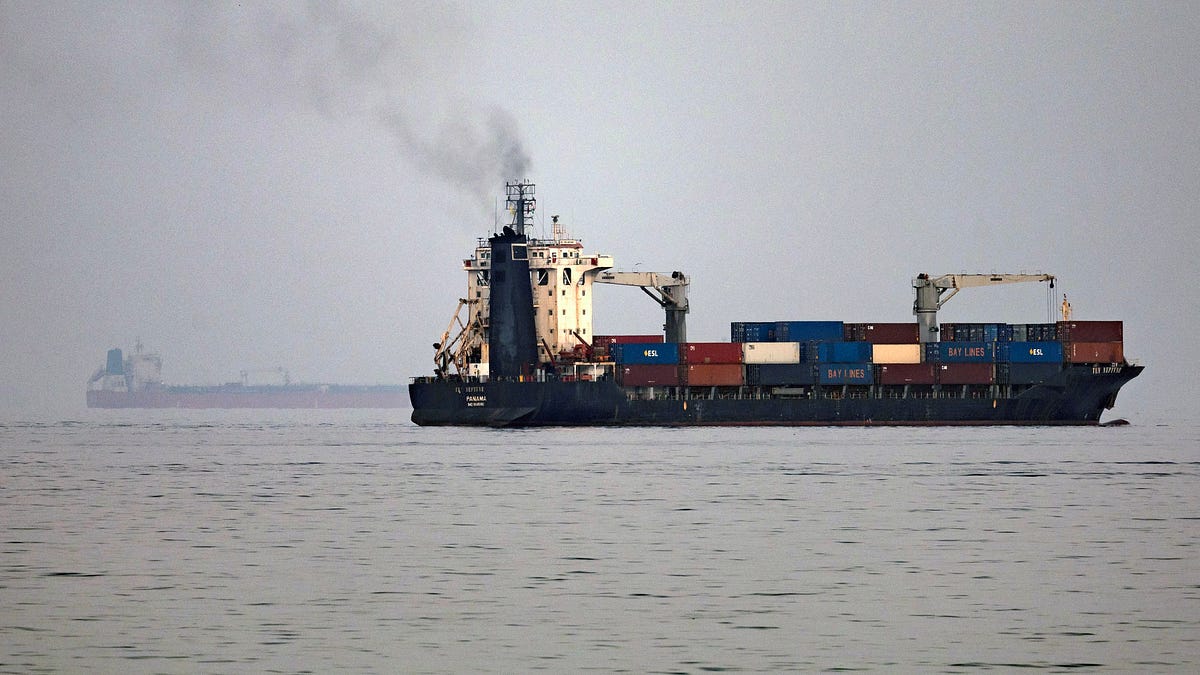
The images from Monday are not subtle: six oil tankers burning in the Strait of Hormuz after reportedly striking naval mines. Iran claims its forces guided those vessels through a prohibited southern route before detonating charges below the surface. The IRGC Navy said the tankers were operating under U.S. military direction. The United States has not confirmed that assertion. What is clear is that the world’s most critical energy chokepoint is once again becoming a killing zone.
This is not a random act of piracy. It is a calculated demonstration that Iran can disrupt global oil flows at will — and it is doing so while Washington debates whether to deploy a third aircraft carrier to the region.
Who Wins, Who Loses
Iran wins immediate leverage. By striking at commercial shipping rather than warships, Tehran demonstrates it can target the livelihoods of nations without directly provoking a massive American military response. Each burning tanker sends a shockwave through insurance markets, freight rates, and stock exchanges from London to Tokyo. The psychological damage of attacking civilian vessels far exceeds the physical destruction, which in any case appears limited to six ships so far.
The United States loses credibility. Deploying three carrier strike groups to the Gulf signals alarm rather than strength. When the USS Theodore Roosevelt entered the CENTCOM area of responsibility on Sunday, joining two already-present carriers, it was the Pentagon’s clearest signal yet that the situation has deteriorated beyond routine deterrence. Yet no American vessel has been struck. No American sailor has died in direct combat with Iranian forces since the conflict began. The mismatch between the scale of deployment and the scale of threat suggests Washington is playing defense even as it pretends to dominate the seas.
European airlines lose airspace. The EU Aviation Safety Agency extended its warning for flights over the Gulf region until January 31st. That covers Iran, Saudi Arabia, Jordan, Lebanon, Iraq, and the wider Gulf. Every cancelled or diverted flight costs money and undermines confidence in Western air corridors.
Gulf states lose security. Bahrain sentenced 64 people to life imprisonment and five to 15 years on allegations they operated an IRGC-linked network. The court also confiscated $21.2 million. These convictions suggest Iran’s covert infrastructure inside Bahrain remains functional despite years of pressure — and that the kingdom’s intelligence services have been caught flat-footed by a threat growing inside their borders.
The Drone War Nobody Is Watching Closely Enough
Behind the tanker headlines runs a quieter but arguably more significant struggle: the drone war over the strait itself. The IRGC claimed Monday that it forced a U.S. MQM-170 drone to land intact using electronic warfare systems. This marks the fourth MQM-170 captured and the eighth U.S. drone taken whole since the conflict escalated. Iran also claims it intercepted or destroyed additional platforms including MQ-9 Reapers, MQ-1 Predators, and LUCAS attack drones.
These are not trivial losses. The MQM-170 is a low-cost tactical drone designed for surveillance and targeting coordination. Capturing one intact gives enemy engineers access to sensors, communications equipment, and software they can reverse-engineer. The IRGC now holds eight complete American drones. At this rate, the technological asymmetry that has favored U.S. forces for decades is eroding rapidly.
Meanwhile, Israel reportedly warned the CIA that Iran was planning drone strikes targeting President Donald Trump and senior administration officials. If true, this represents an extraordinary escalation in the scope of Iranian operational ambition — moving from regional targets to direct attacks on the American executive branch. Tehran dismissed the report as Israeli disinformation designed to build public support for further military action.
The Bigger Picture: Six Tankers and a Broken Chokepoint
Here is what the tanker attacks reveal about Iran’s strategic thinking: the regime understands that its conventional military cannot defeat the United States in open combat. But it does control geography. The Strait of Hormuz handles roughly 21 million barrels of oil per day — about 20 percent of global consumption. Close it for even a week and oil prices spike sharply. Close it for a month and the global economy enters recession territory.
Iran does not need to sink all the tankers. It only needs to make every captain second-guess the route. Insurance premiums rise. Ships reroute around Africa. Delivery times stretch. The cost of getting Middle Eastern oil to Asia nearly doubles. Those are the real damages Iran inflicts — and they accumulate without a single Iranian soldier setting foot on foreign soil.
The IRGC stated it would continue this campaign. Whether it can sustain six simultaneous mine strikes over open water is another question. The navy reported an additional tanker catching fire east of the strait, and UK Maritime Trade Operations confirmed a separate incident involving an unidentified projectile striking a vessel’s engine room. Not all of these attacks may originate from Tehran’s command structure. Some could be unilateral actions by regional proxies or rogue elements within Iran’s own military apparatus. In a conflict where messaging often outpaces verification, distinguishing between coordinated strategy and opportunistic violence will prove difficult.
What Comes Next
The immediate risk is miscalculation. Every burning tanker increases pressure on Washington to respond. Every response increases pressure on Tehran to escalate further. The cycle accelerates quickly when both sides are measuring prestige rather than security outcomes. The European extension of airspace warnings into late January suggests diplomats already see this trajectory playing out.
The longer-term risk is structural. Iran has demonstrated it can turn the Strait of Hormuz into a contested waterway again — something analysts assumed was unlikely after the 2020 de-escalation. If the regime believes it can impose costs on global trade without triggering full-scale war, it will repeat this playbook. The question is whether the United States and its allies have devised a credible deterrent that stops the pattern before the next burning tanker rolls into international news cycles.
So far, they have not.