Houthi Push at Bab el-Mandeb Turns Two Chokepoints Into One Crisis
The Houthis' apparent bid to seize territory near Bab el-Mandeb joins Iran's disruption of the Strait of Hormuz, compressing the two critical waterways that carry much of Asia's energy imports into a single shipping chokehold. WTI is now trading at a 30% premium over pre-conflict levels.
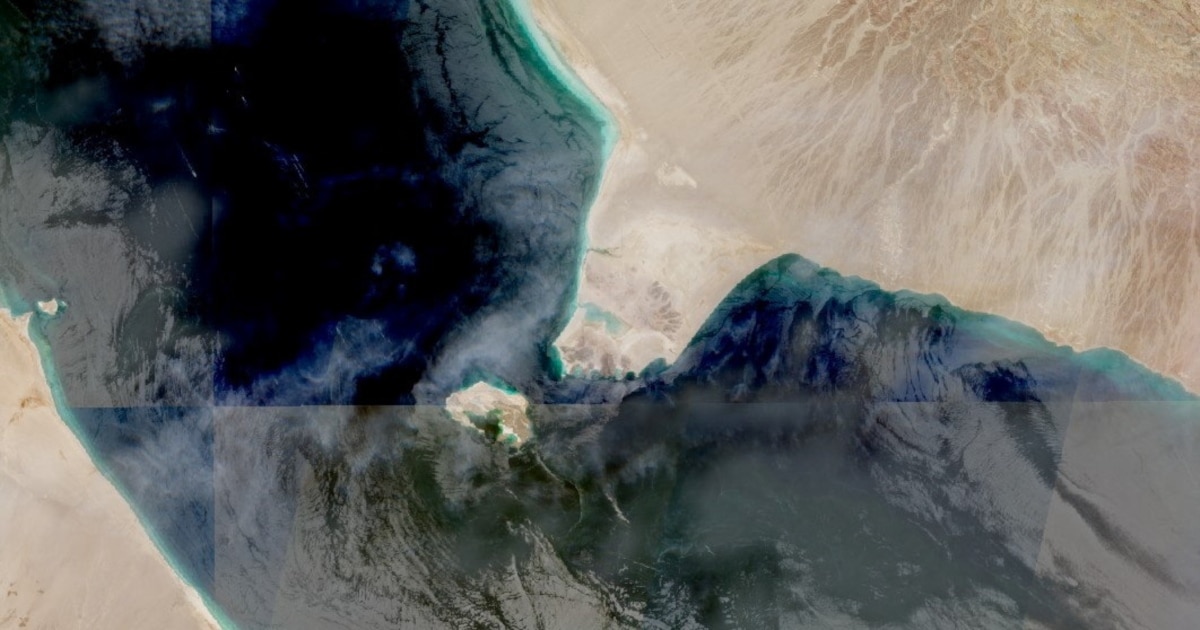
The Pincer Movement on Global Shipping
What Yemen’s intelligence chief described on March 3 as “an attempt to impose a new reality on the ground” is reshaping how the world moves energy. The Houthis are pushing toward the coast near Bab el-Mandeb — the strait that funnels ships between the Red Sea and the Gulf of Aden — while Iran simultaneously disrupts the Strait of Hormuz to the east. Two chokepoints, one campaign.
The result is a compression of options for any vessel carrying fuel or goods between Asia and Europe. Before this escalation, shipping companies could reroute around Africa’s Cape of Good Hope or adjust which chokepoint they avoided. Now both critical waterways are contested.
Yemen’s information minister, Moumar Al-Eryani, warned that cross-border cooperation among designated terrorist groups is making Bab el-Mandeb and global energy supply routes “a more complex and persistent threat.” That understatement hides the geometry of the problem: the Houthis control territory in southwestern Yemen that overlooks the strait, and every meter they hold closer to the coastline extends their reach over the narrowest point of the passage.
Why Bab el-Mandeb Matters More Than You Might Think
Bab el-Mandeb handles roughly 10 to 15 percent of global container traffic and a significant share of liquefied natural gas shipments heading from Qatar and the Gulf toward Europe. The strait at its narrowest is only about 26 kilometers wide — one of the most compressible shipping corridors on the planet. That narrowness is precisely what makes it vulnerable: a few drones, a handful of anti-ship missiles, or even the threat of mines can close it without requiring a conventional naval force.
But the deeper story is about Asia.
Japan, South Korea, and China depend on Middle Eastern crude moving through the Red Sea and Bab el-Mandeb to reach their eastern refineries. When the route is threatened, those ships don’t simply turn around — they reroute around Africa, adding weeks to delivery timelines and hundreds of thousands of dollars per voyage in fuel and charter costs. That cost eventually moves into the price you pay at the pump. More importantly, it moves into the cost of every manufactured good that passes through those supply chains, from textiles to electronics to pharmaceuticals.
The Strait of Hormuz carries even more oil — about 20 percent of global crude exports flowed through it before the current conflict erupted. The US military has been escorting ships through parts of the strait since Iranian attacks began in late February, but total passage volumes remain far below pre-war levels. Iran has demonstrated its ability to harass commercial vessels, detain crew members, and deploy swarming boats in the strait, creating an atmosphere of uncertainty that no amount of naval presence fully dispels.
With Hormuz restricted and Bab el-Mandeb under mounting pressure, the math for Asian shippers grows harsher by the day. There is no third option that meaningfully substitutes for these two chokepoints. The Suez Canal route is the shortest path between Asia and Europe; every alternative adds time, cost, and risk.
The Price Signal Is Already Loud
US diesel hit a record high on March 4, and crude is trading at roughly a 30 percent premium over pre-conflict levels. Those numbers are not abstract. They reflect the cost of longer routes, higher insurance premiums, and the risk premium built into every contract signed by carriers who know the odds have shifted.
War risk insurance rates for vessels transiting the Red Sea have climbed sharply. Lloyd’s of London and other major underwriters have responded by raising premiums and, in some cases, refusing to cover certain voyages altogether. That exclusion forces carriers to make a choice: absorb the uninsurable risk or walk away from the route. Many smaller operators have already walked.
For Asian economies, the premium hits harder. Countries that import the vast majority of their energy through these straits — particularly Japan and South Korea, which rely on Middle Eastern crude for the bulk of their supply — face a structural cost increase that will reverberate through manufacturing, logistics, and consumer prices for months. India, too, is exposed: it funnels a significant portion of its crude imports through the Gulf and Red Sea corridor, and even a modest disruption ripples through its trade balance.
The secondary effects are already visible. Commodity traders are pricing in the possibility of further escalation. LNG spot prices have ticked upward as buyers hedge against the risk of Qatari exports being delayed. Container freight rates on Asia-Europe routes have climbed as vessels divert to the Cape, reducing the available tonnage on the Suez corridor and driving up charter rates for the remaining ships.
Second-Order Effects and Strategic Recalibration
Beyond the immediate shipping disruptions, the dual chokepoint crisis is forcing a strategic recalibration across multiple sectors. Airlines are reshuffling cargo capacity as passenger flights that once carried freight under the belly are redirected or reduced. Port operators in Europe are adjusting schedules as the volume of Suez-bound traffic fluctuates unpredictably. And governments are quietly beginning to assess whether their energy reserves — strategic petroleum stocks, natural gas storage — are sufficient to withstand a prolonged closure of one or both straits.
China’s response has been particularly notable. Beijing has long viewed maritime chokepoints as a vulnerability in its energy security architecture. The Belt and Road Initiative was partly designed to create alternative overland routes, but those pipelines and railways cannot move anything near the volume that tankers carry through the Gulf and Red Sea. China’s navy has increased its presence in the western Indian Ocean, and it has quietly deepened ties with Somalia and Djibouti to secure logistical footholds. But none of those moves can replicate the throughput of the sea lanes under threat.
Europe is confronting a parallel anxiety. The war in Ukraine already strained European energy supplies, and the current disruption threatens to reopen questions about dependency on Middle Eastern fuel. The EU’s stated goal of rapid decoupling from Russian energy now collides with the reality that Middle Eastern crude remains indispensable for much of the continent’s refining capacity.
Who Wins and Who Loses
Iran gains strategically. The Houthis are its most capable proxy, and every mile of coastline they hold near Bab el-Mandeb tightens Iran’s leverage over global shipping without requiring a single Iranian warship to leave Persian Gulf waters. The strategy is asymmetric by design: low-cost militias, high-cost disruption. A single drone may cost tens of thousands of dollars to produce; intercepting it requires munitions that cost hundreds of times more. That exchange ratio favors the Houthis and Iran regardless of who wins individual engagements.
Shipping companies and their customers lose. Maersk, MSC, and other major carriers have already pulled vessels away from the Red Sea. Smaller operators with tighter margins face a harder choice — absorb losses or exit the route entirely. The consolidation of market share among larger players is a secondary consequence that will linger long after the crisis subsides.
Israel has scored a tactical gain in Lebanon, seizing the Ali Tahir ridge from Hezbollah and claiming it destroyed underground command posts and weapon stores. But that success on land does not translate to control of the sea lanes. The maritime front remains the primary battlefield, and it is a front where Israel has few tools beyond diplomatic pressure on Washington and limited naval deterrence.
What Happens Next
If the Houthis consolidate control along the Bab el-Mandeb coast — something the Yemeni government’s description of recent fighting suggests they are moving toward — the strait could face the same kind of sustained disruption that has characterized Hormuz since February. That would effectively close the shorter Europe-Asia route for commercial shipping and force a permanent rerouting adjustment. The Cape of Good Hope detour adds roughly 1,000 to 1,500 nautical miles to the journey, translating to five to ten additional days at typical tanker speeds. Fleet capacity would need to expand by an estimated 15 to 20 percent to maintain current throughput, and building or chartering that many additional vessels is not feasible in the short term.
The US blockade on ships entering or leaving Iran adds another layer of complexity. Carriers face contradictory risks: Iranian harassment in the Gulf and Houthi threats at Bab el-Mandeb, both compounded by American enforcement actions. The legal and operational uncertainty makes insurance pricing volatile and route planning nearly impossible on a rolling basis. Some captains have simply refused to enter contested waters, creating a de facto strike that no government can easily override.
For Asia, the question is not whether energy prices will stay elevated — they already are — but whether alternative routes can absorb the volume fast enough to prevent shortages. The Cape of Good Hope detour adds time and cost but has physical capacity. The constraint is how quickly the fleet can reposition and whether demand spikes force competition for limited tanker space.
What is clear is that the war has moved beyond the battlefield into the chokepoints that hold the global economy together. The Houthis are not just fighting Yemen’s government. They are testing whether a determined militia can hold two of the world’s most critical shipping narrows and extract a toll from everyone who passes through them. The broader implication is stark: the post-Cold War assumption that the seas would remain open to commerce regardless of regional conflict is no longer safe to make. The age of chokepoint warfare may have arrived.