How AI Suddenly Rescued Apple's Smallest Computers
Apple's unexpected rush to ship new Mac minis and Studio units reveals a structural shift in enterprise AI adoption. The company was caught flat-footed — and the fallout could reshape the mini-PC market.
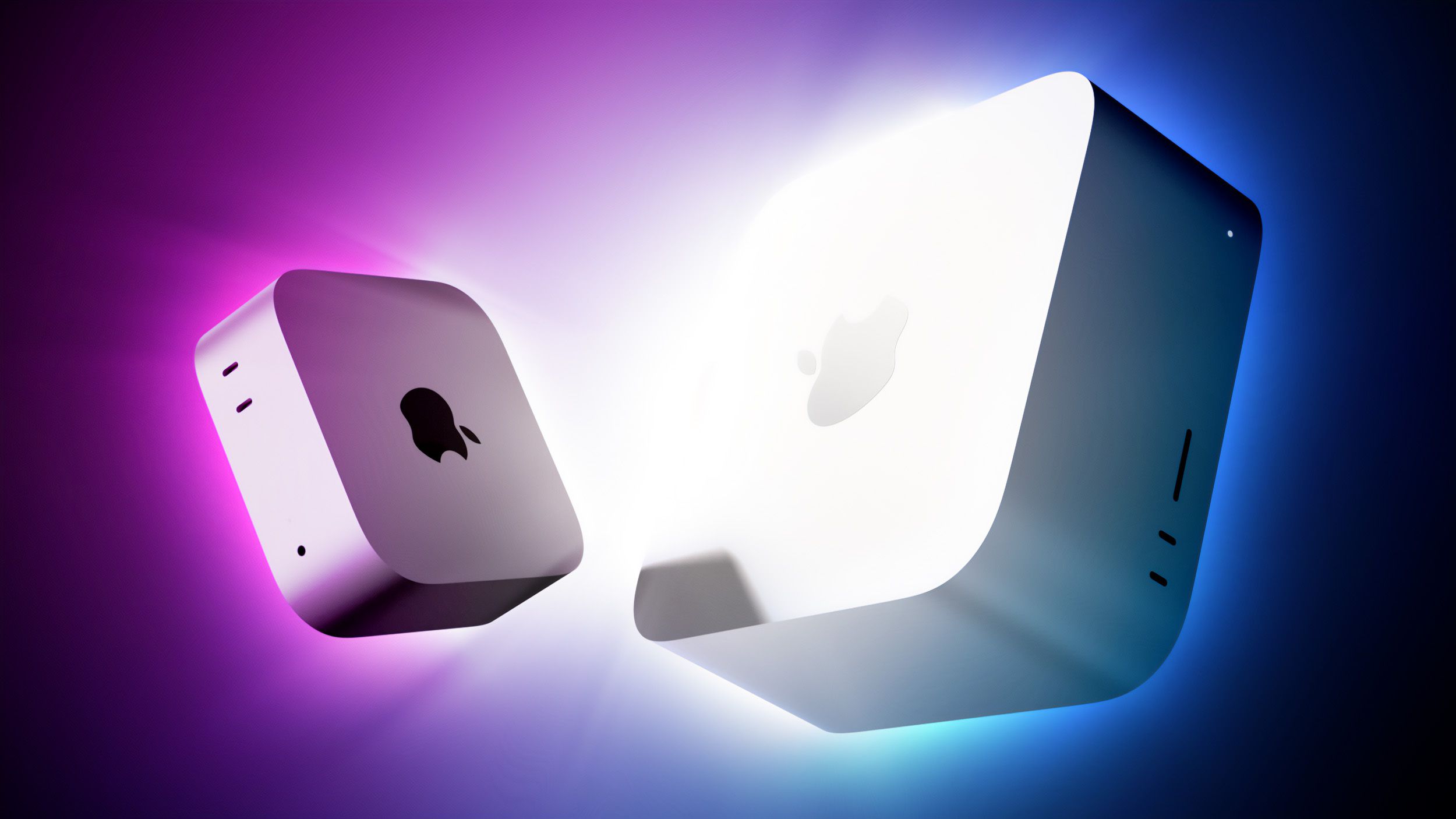
Apple wasn’t ready for this.
The new Mac mini and Mac Studio arriving this week should not exist yet. Apple normally unveils refreshed Macs in autumn, closer to October or November. This was supposed to be a waiting period before the iPhone 18 Pro event. Instead, the company was forced into an emergency product cycle because its smallest desktops became the unlikely workhorses of enterprise AI — and Apple had no plan for any of it.
According to The Information, enterprise appetite for AI-capable Mac hardware surprised the company so thoroughly that it triggered an unscheduled launch window. That alone tells you how disconnected Apple’s usual cadence is from where the market is actually moving. The Mac mini was already positioned as the darling of Apple’s June Business at the Park event, which brought executives from Ford, Disney, and Anthropic into the fold. A few months later, it became the machine enterprises actually wanted.
The real story isn’t the hardware. It’s the organizational gap.
The most telling detail from The Information’s reporting isn’t the sales surge — it’s what Apple lacks to sustain it. The company reportedly has no engineering team dedicated to business customers. It has no dedicated developer relations staff. It has no enterprise AI strategy.
That is a staggering admission for a company trying to court the very buyers driving its unexpected revenue. While Google and Microsoft have spent years building out enterprise AI stacks, internal support structures, and direct cloud-to-device pipelines, Apple entered the enterprise AI conversation without a seat at the table — then got dragged into it by a wave of demand it hadn’t forecasted.
The consequences are already visible. Enterprises that approached Apple directly asking for access to the company’s Private Cloud Compute infrastructure were turned down. Apple chose instead to lean on third-party partners like WebAI and Mount Thor, which build AI tools and execution environments on Apple hardware. That’s a reactive posture, not a strategy. It means Apple is letting partners define how its machines are used in production AI workloads, rather than shaping that use case itself.
Who wins. Who loses.
Nvidia won first. The company’s DGX Spark, a compact AI desktop launched late last year in a form factor nearly identical to the Mac mini’s, is now the fallback option for enterprise buyers who can’t get Apple hardware. That’s significant. The DGX Spark was always positioned as a competitor to consumer-grade AI desktops. Now it’s becoming the second choice precisely because Apple can’t keep up with demand.
WebAI and Mount Thor also win — for now. They’re filling the infrastructure gap Apple refuses or cannot fill directly. But their dependency on Apple hardware as a platform is a double-edged sword. If Apple shifts its enterprise approach, these partners lose their runway. If Apple builds its own solution, they’re squeezed out.
Apple loses the most, and it’s not obvious why. The company is missing a chance to lock in enterprise relationships the way Google and Microsoft do. Every buyer told no to Private Cloud Compute is a buyer who learns the hard way that Apple doesn’t speak their language. That friction compounds. The memory shortage making Mac mini and Mac Studio configurations unavailable for months only deepens the damage.
The mini-PC market just got a lot more interesting.
The global memory shortage complicating Apple’s supply chain is a separate problem with a shared symptom: everyone is short on the same components. But the deeper structural shift here is that small-form-factor desktops are now legitimate AI inference hardware. That changes the entire competitive landscape for a category that had been quietly dying since laptop screens got bigger and workstation towers got smaller.
Apple’s decision to promote linking multiple Mac Studios together into a single compute cluster is the clearest signal yet that the company is at least attempting to position its desktops as scalable AI hardware, not just creative tools. The feature is aimed squarely at business and developer customers — the same customers Apple’s organizational gaps are failing to serve.
Nvidia’s DGX Spark occupies the same physical niche. Other x86 mini-PC manufacturers are circling. The question isn’t whether small desktops can run AI models. It’s whether Apple can build the enterprise muscle to capture that demand before someone else does.
What happens next.
Tim Cook is stepping down. The new Mac mini — with M5 or M5 Pro chips — is billed as potentially his final product announcement before he leaves the CEO role. That framing matters. This launch isn’t just about shipping silicon. It’s about whether Apple can enter its post-Cook era with an enterprise AI foothold or whether it walks away having missed the moment.
The absence of an enterprise AI strategy will define the next chapter. Apple has hardware. It has a suddenly hungry customer base. It has partners willing to build on top of its machines. What it doesn’t have is the internal architecture to turn that demand into lasting business. Until it builds that, the Mac mini and Mac Studio will remain the most surprising success stories in Apple’s lineup — and the most expensive misses.
The mini-PC market was already converging on a single question: who owns the desk-sized AI machine? Apple may have just answered that question by accident. The harder work — building a company around the answer — is just beginning.