How K-pop and J-pop Conquered Japan's National Stadium
Stray Kids, TWICE, and Mrs. GREEN APPLE have all headlined Japan's MUFG Stadium in consecutive months — a first that signals a seismic shift in how East Asian live music is produced, routed, and monetized.
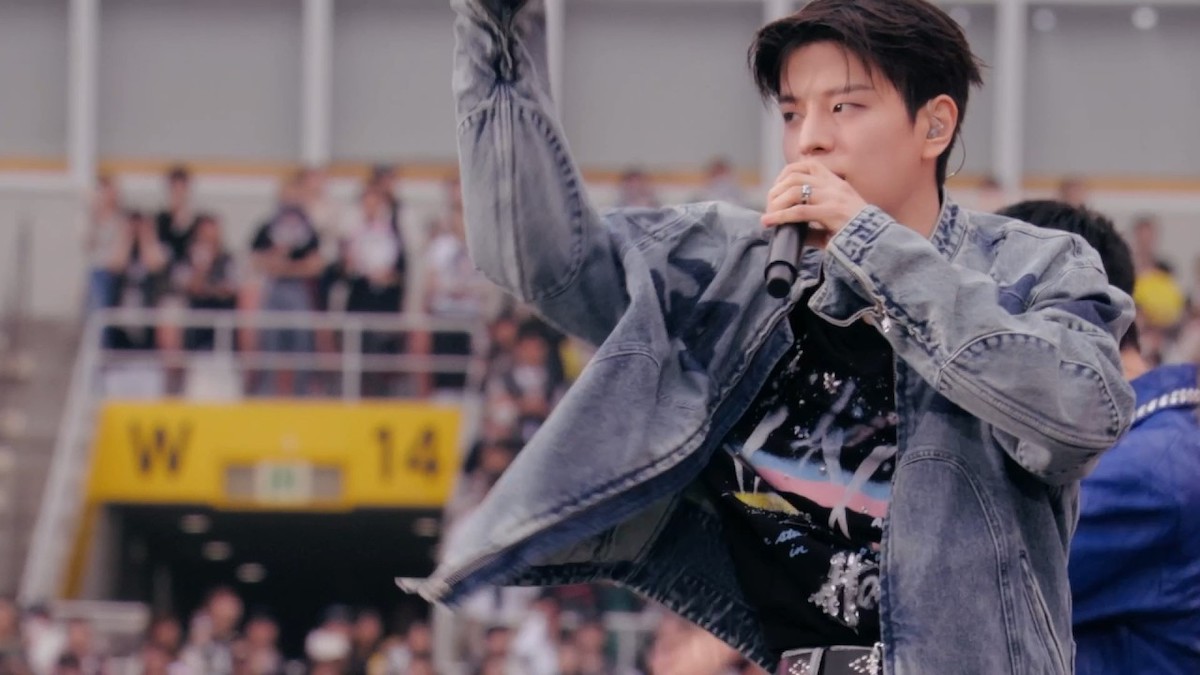
Three Acts. Three Months. One Stadium That No Longer Feels Big Enough.
In April 2026, TWICE became the first overseas act ever to fill Japan’s MUFG Stadium — the National Stadium rebuilt for the 2020 Tokyo Olympics — for a solo concert. In the same month, Mrs. GREEN APPLE did what no band had done before: four consecutive days at the same venue, joining only Arashi as the second act in stadium history to pull it off. Now, starting August 29, Stray Kids opens their Japan tour at the same ground, becoming the first overseas male group to headline it.
Three months. Three records. One venue that has quietly become the defining stage for East Asian popular music.
This is not just a sequence of sold-out shows. It is a structural signal.
The Stadium Is No Longer Reserved for Western Headliners
For decades, Japan’s largest venues — roughly 68,000 seats at MUFG Stadium — were the preserve of American and European pop acts. Bono, Beyoncé, Coldplay. Japanese acts played arenas. Korean acts, even the biggest, rarely broke past the 20,000-seat mark for tours routed through Tokyo.
That hierarchy dissolved in real time. TWICE moved 240,000 fans across three days in April. Mrs. GREEN APPLE’s four-day run demonstrated that a Japanese band could sustain demand across an entire weekend — not just a single night, not a Friday-Saturday doubleheader, but four straight days of sellouts. Stray Kids is now doing the same, opening a seven-date Japan tour with two stadium nights.
The implication is simple and economically significant: the ceiling for non-Western acts in Japan has been shattered, and tour promoters are recalibrating routing accordingly.
Why MUFG Stadium Matters Beyond Capacity
MUFG Stadium was designed as a multi-purpose athletics venue. Its concert configuration — removable seating, temporary roof infrastructure, stage engineering that accommodates both athletic events and full-scale productions — makes it uniquely suited for touring. But more importantly, it sits in Yoyogi, directly connected to JR Shibuya Station, one of Tokyo’s highest-traffic transit hubs. For a K-pop or J-pop act, that accessibility is worth more than the seat count.
Tokyo’s concert geography has long been fragmented. Live Dome venues are scattered across the metropolitan area. Smaller arenas dominate central wards. MUFG Stadium, for all its size, occupies a rare position: it can absorb a massive crowd while remaining integrated into the city’s transit grid. That is why it has become the default endpoint for acts that have already proven themselves in domes and arenas.
Real estate around the venue is already adjusting. Hotel rates in Shibuya and Shinjuku spike during concert weekends. Local restaurants and transport operators see demand pulses that dwarf typical weekend levels. The economic footprint of a three-day TWICE run at MUFG Stadium extends well beyond ticket revenue.
The Streaming Generation Has Redrawn the Map
The source article attributes part of this shift to the democratizing effect of streaming — music crossing borders more easily, genres blending, audience tastes diversifying. That is true but incomplete. The deeper mechanism is the fan-club ecosystem that has grown alongside streaming.
Mrs. GREEN APPLE’s two MUFG Stadium shows in July were fanclub-member-only. Their two Nagai Stadium dates in Osaka were the same. A band filled a domestic maximum-capacity venue with its own membership base alone. That does not happen by accident. It happens because fan clubs — official, paid, prioritized — have become the primary ticketing funnel for top-tier domestic acts.
K-pop groups have operated on this model for years. Weverse, HYBE’s fan-club platform, was essentially engineered for this purpose: prioritize members in presales, tier the experience, convert casual listeners into paying subscribers. TWICE’s stadium run succeeded because every one of those 240,000 tickets passed through a structured presale system that rewarded loyalty. The same architecture is now being deployed by J-pop acts who previously relied on general sale and ticketing aggregators.
Tour Routing Is Changing
The most consequential shift is in how tours are planned. When an act can reliably sell a stadium in Tokyo, the rest of the routing changes. A seven-date Japan tour that previously might have covered three cities in arenas now expands to include two stadium nights at the opening, with the remaining dates filling domes and large halls.
Stray Kids’ tour structure — two stadium nights followed by five additional dates — reflects this new logic. The stadium opening establishes scale and media coverage; the subsequent dates capture demand from markets that cannot be served by a single Tokyo run. It is a routing strategy that prioritizes the largest possible opening window, then distributes the rest.
For TWICE, the stadium shows capped a tour that moved 400,000 fans across Japan — a number that would have been unthinkable for a Korean act just five years ago. The tour was structured so that the stadium nights served as the financial and symbolic peak, not the entire engine.
What Happens Next
Several trajectories are worth watching.
First, more venues will compete for this demand. Japan is discussing plans for new large-capacity arenas and upgraded facilities. The question is whether they will be built fast enough to match the rate at which domestic and transnational acts are scaling up.
Second, the pricing model for stadium shows will come under scrutiny. When fanclub presales fill 68,000 seats in minutes, secondary-market prices can spike. Regulators and promoters will need to decide whether to prioritize accessibility or accept the current market-clearing dynamic.
Third, the global-routing pipeline is tightening. Mrs. GREEN APPLE’s July 5 finale was simulcast across 22 theaters in South Korea, Hong Kong, Taiwan, Thailand, and elsewhere. This is no longer an afterthought for Japanese acts — it is a standard component of the release strategy. The line between a domestic tour and a regional broadcast event is blurring.
The immediate future is clearer. Stray Kids is stepping into a stadium that has already been claimed by a female group and a domestic band. The question is no longer whether they can fill it. The question is what record they set next.
And someone else will be waiting to break it.